EDITOR'S BLOG
DRIED OUT
Watering required
by TurfPro Editor, Laurence Gale MSC, MBPR
 
Laurence Gale MSC, MBPR

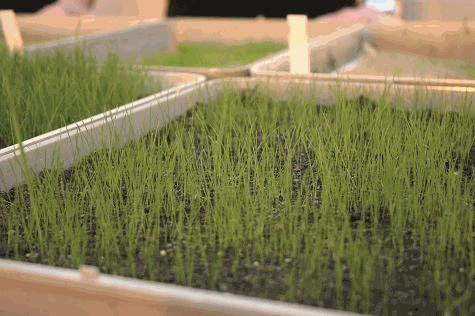
This warm dry spell, coupled with the cold eastly winds, has quickly dried out our playing surfaces and soils, requiring the need to start watering our turfed areas and sports surfaces.


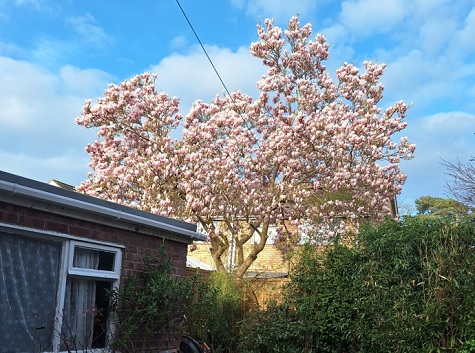
This recent warm, dry spell of weather has been glorious with spring flowers looking their best and the blossom of the cherry trees, camellia and magnolias looking magnificent. What a wonderful spring we are all having. 


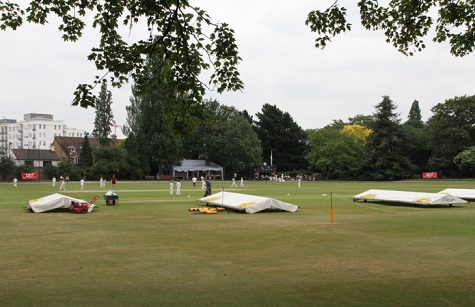
However, this warm dry spell, coupled with the cold eastly winds, has quickly dried out our playing surfaces and soils, requiring the need to start watering our turfed areas and sports surfaces.


It seems year on year we are constantly seeing a change in our weather patterns, with large bouts of dry weather often followed by heavy downpours. These can tend to run off quickly into our rivers causing flooding – rather than experiencing a period of steady rainfall that has time to soak into the ground.


I can see in the coming years the need for sports clubs to invest in watering systems due to these dramatic changing climatic conditions. Rising temperatures, prolonged droughts, and changing rainfall patterns are making natural grass maintenance increasingly challenging. 


Many regions are already experiencing longer and more intense dry periods, requiring clubs to have efficient irrigation systems. As water scarcity becomes a bigger issue, clubs may need more advanced, water-efficient systems to comply with regulations.


Ideally clubs should start looking at the possibilities of harvesting rainwater, or seek extraction licences for getting water from lakes, streams and boreholes.


In the UK, sports clubs considering the installation of boreholes for water abstraction must adhere to specific regulations and obtain necessary permissions. Key considerations include:

  • Abstraction Licensing: If your club plans to abstract more than 20 cubic metres (20,000 litres) of water per day, an abstraction licence from the Environment Agency is required. Abstractions below this threshold are generally exempt from licensing.
  • Groundwater Investigation Consent: Before drilling a borehole, especially for significant abstractions, you may need to apply for consent to investigate a groundwater source. This process assesses potential environmental impacts and ensures the proposed abstraction won't adversely affect local water resources.
  • Environmental Considerations: The Environment Agency evaluates applications based on local water availability and potential environmental impacts. In areas with water scarcity or sensitive ecosystems, obtaining a licence may be more challenging.
  • Water Quality Standards: If the borehole supplies drinking water or is used in food preparation, it must comply with The Private Water Supplies (England) Regulations 2016. This entails regular water quality testing and risk assessments to ensure safety and compliance.
  • Planning Permissions: Depending on local council regulations, additional planning permissions may be necessary for borehole installation. It's advisable to consult with your local planning authority to determine specific requirements.
  • Monitoring and Compliance: Regular monitoring of water usage and adherence to licence conditions are mandatory. Non-compliance can result in enforcement actions, including fines or revocation of the licence. 

Given the complexities and regional variations in regulations, it's recommended to consult directly with the Environment Agency and your local council before proceeding. They can provide tailored guidance to ensure compliance with all legal and environmental obligations.


Demo day


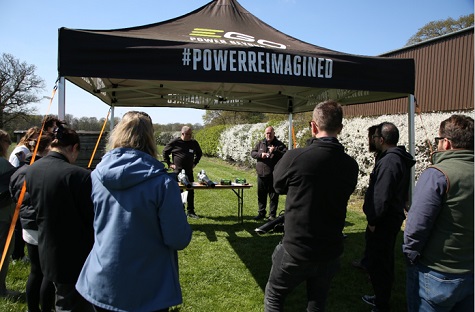
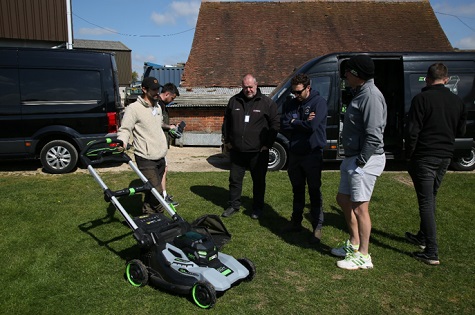
While enjoying this spell of spring weather, I managed last week to attend the annual EGO Press Demo Day in Beaconsfield. Invited here 30-plus members of the trade press and industry influencers.


The day focused on the latest range of the manufacturer’s products, that are now sold via 200 plus dealer outlets throughout the UK.


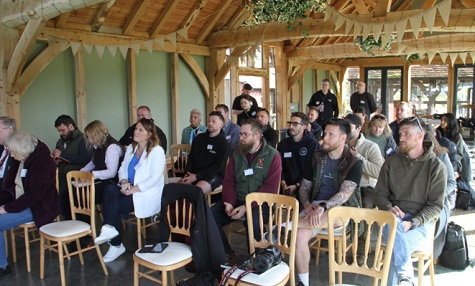
Ravi Skukle from the company's social media and PR team introduced the event's structure, including presentations, live demonstrations, and hands-on sessions. Ego's battery technology, particularly the 56-volt range, was detailed, highlighting its capacity, power delivery, and heat management. The robotic mowers, RN 2000 and RM 4000, were introduced, emphasising their GPS navigation, boundary wire technology, and systematic mowing capabilities. The mowers can handle up to 4000 square meters and feature a 24-volt battery for long charge-discharge cycles.


EGO said they were currently working on some non-boundary wire robotic mowers that will coming into the marketplace later in the year.


The group were then split into two groups to be given short talks on the various range of EGO products. Essentially there were some EGO Power lifestyle products that encompassed battery powered outdoor lights; 25 cm and 45 cm misting fans; wet and dry vacuum and an outdoor speaker.


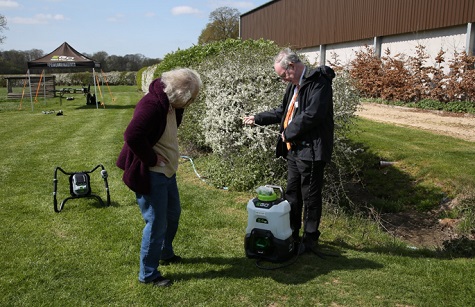
As for professional landscape tools, these came in the form a new 55cm wide pedestrian mower; handheld blowers; strimmers; chainsaw; post hole auger and chemical sprayer.  


I am currently trying out the mew LM2230E-SP pedestrian mower and one of the new blowers. I will be writing a technical piece on both items in the coming weeks.


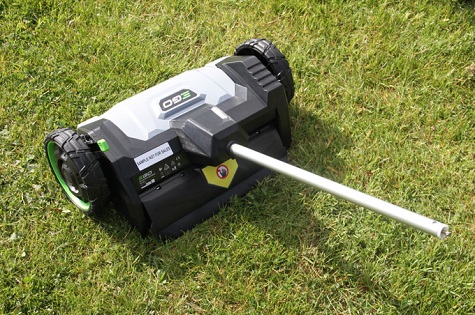
The knapsack sprayer was impressive, however it seemed a tad heavy when fully filled with 15 litres of water. The DA1400 dethatcher tool was an interesting concept. Light and compact, easy to use and would be a good tool for renovating lawns and repairing worn areas, The soil auger made light work of digging a post hole with many of the landscape gardeners equally impressed with its performance. 


As always it great to network and meet up with Industry colleagues and I would like to thank EGO for inviting me to attend. It is always useful for me to keep up with all manufacturers’ technical developments. All in all, an informative day out.


This time next week it's Easter Monday, so I'll see you back here on the 28th.

NEWS
GROUNDSFEST TO LAUNCH THEIR ACADEMY
Free educational day coming up
 
GroundsFest Academy is to launch

In our first WEB ONLY story organisers say this marks the beginning of a new era in free, hands-on education.


DEALERSHIP EXPANDS AFTER PURCHASE
Neighbouring dealer bought
 
Douglas Montgomery

In our next WEB ONLY story buyer currently working to ensure it is business as usual for all customers and staff, as the new site is integrated into its portfolio of existing premises.


THREE PEAKS CHALLENGE SET
In memory of a 'gentle giant'
 
The team preparing for the challenge

A team from Howardson Group is preparing to take on the National Three Peaks Challenge in memory of their much-missed colleague.


A team from Howardson Group is preparing to take on the National Three Peaks Challenge in memory of their much-missed colleague, Joe Emery, who sadly passed away in July last year.


The challenge will see the team scaling the highest mountains in Scotland, England, and Wales within 24 hours, all in support of the British Heart Foundation.


The company says Joe was a cherished member of the Howardson Group family, working in the warehouse and factory. Known as a true “gentle giant,” Joe was deeply respected and admired by all who knew him.


He was a well-known figure in the cricketing world, always cheerful, kind, and willing to lend a helping hand.


His hardworking and honest nature made him an integral part of the team, and his intelligence shone through as a member of the winning quiz team at Howardson’s 2024 event.


Joining the Howardson team for the challenge are Mark Willerton, sales manager from Russell Groundcare, and Paul Thompson, head groundsperson at Derby County FC.


Together, they will be guided by Mountain Bear Adventures as they take on this demanding journey.


Taking place on the 5th and 6th of June, the National Three Peaks Challenge involves climbing a total of 3,064 meters over 23 miles, with a gruelling 462 miles of driving between peaks. The mountains they will tackle are:

  • Ben Nevis (Scotland) - 1,345m
  • Scafell Pike (England) - 978m
  • Snowdon (Wales) - 1,085m

To support the team and donate to the cause, visit https://www.justgiving.com/page/howardson-3peakchallenge

ETESIA ADD TO NETWORK FOLLOWING DEALER RETIREMENT
Two more take on range
 
Etesia have added two new dealers

One new dealer says when the opportunity arose to take on the dealership after the previous dealer retired, it was a natural fit for themselves.


Etesia UK has announced the appointment of two new dealers, Luxury Carts Group and Agri-Services Ltd, to cover the West of Scotland, the Highlands, and the central belt. 


These appointments come following the retirement of Alex McDougall Mowers, who provided loyal service to the Etesia brand for over 30 years.


Les Malin, managing director of Etesia UK, said, "We thank Alex McDougall Mowers for their decades of dedicated service to Etesia. As they retire, we welcome two new dealers into the network to continue serving these key areas.. Both dealers share our commitment to providing exceptional customer service and high-quality machinery, and we are excited about the opportunities this brings."


Based in Denny, Falkirk, Luxury Carts Group has built its reputation on providing luxury golf cart sales alongside a growing portfolio of turf maintenance equipment. This family-run business is expanding its offerings with the addition of Etesia’s products.


Agri-Services Ltd, based in Kilmarnock, is a well-established family business that has served customers in agriculture, horticulture, and grounds care since the 1970s. Now in its third generation, the company continues to grow under the leadership of director Chris Moir.


Chris said, "When the opportunity arose to take on the dealership after the previous dealer retired, it was a natural fit for us. These machines are exactly what our customers need."

MORE PRO CORVUS DEALERS
Network expands
 
Two new dealers

Boss ORV has announced the addition of two more Corvus off-road vehicle dealers to their growing UK dealer network. 


Boss ORV has announced the addition of two more Corvus off-road vehicle dealers to their growing UK dealer network - Guy Machinery Ltd. of Gisburne, Lancashire and Used4Turf based in Colchester, Essex.


Guy Machinery was established at Skipton Auction Mart in 2005, taking over the former Gibsons. They moved to their Gisburne site in 2013 to bring their team together under one roof to improve customer service and communications. They specialise in sales of new and used trailers, agricultural vehicles and machinery, ATVs and quad bikes, loaders and handlers. As Corvus dealers, they add side-by-side diesel and electric utility vehicles to their line-up. 


Used4Turf has over thirty years of experience supplying equipment to turf growers, landscapers, local authorities, golf courses, sports clubs, private estate owners and more. Founded by Neil Peachey, Used4Turf supplies new and used equipment and Neil says they make it their business to gain a comprehensive understanding of customers’ requirements, budgets and long-term plans. He adds they pride themselves on exceptional personal customer service and that they are proud to call clients their friends. 


Boss national sales manager, Neil Everett, said they are delighted to welcome both dealers as part of the team to sell and support the brand. 

JOBS
ADVERTISE YOUR JOBS HERE
Amazing success rates!
 
Advertise your jobs on TurfPro Weekly Briefing

Advertise your recruitment needs on TurfPro Weekly Briefing and reach our targeted audience of recipients every week.

Contact Nikki Harrison for details - 01491 837117


PREVIOUS FEATURES
EDITOR'S BLOG ARCHIVE
Catch up with Laurence Gale's recent blogs
 
TurfPro editor, Laurence Gale

Want to catch up with one of editor Laurence Gale's blogs? Here is the place to do so.


TURFPRO FEATURE ARCHIVE
Find our previous features here
 
TurfPro Feature Archive

If you want to catch up with any of TurfPro's previous features, here is the place to do so.


REFLECTIONS ON A CAREER
A lifetime of dedication


CREATING AN INTEGRATED MANAGEMENT PLAN
Key steps


50 YEARS OF GOLF STEWARDSHIP
Part three


50 YEARS OF GOLF STEWARDSHIP
Part two


50 YEARS OF GOLF STEWARDSHIP
Part one


DEMONSTRATING AND APPLYING AN INTEGRATED APPROACH
Reviewing the tools available


CRICKET MANAGEMENT THROUGH THE DECADES
Part two


CRICKET MANAGEMENT THROUGH THE DECADES
Part one


A LOOK AT THE OPTIONS
When implementing an integrated approach


50 YEARS OF FOOTBALL MANAGEMENT
Part two


50 YEARS OF FOOTBALL MANAGEMENT
Part one


57 YEARS & COUNTING!
My life in the industry


DEMONSTRATING AND APPLYING AN INTEGRATED APPROACH
New series of articles for 2025


IMPLEMENTING SUSTAINABLE PRACTICE
Examples from across the year


VINTAGE PUSH MOWER USE
Enthusiast maintains lawn the old fashioned way


SUSTAINABLE AMENITY MANAGEMENT
Principles and practises


PLACING URBAN GREEN SPACES AT THE HEART OF INFRASTRUCTURE
Midlands Parks Forum's annual conference


RAISING THE VOICE
At the Amenity Forum's annual conference


SUSTAINABLE PARKS
Parks For London case study


WHY GRASSROOTS RUGBY IS IN DECLINE
A steady drop off in participation.


SEEDS OF SUSTAINABILITY
Focus on a major supplier of grass seed and related products to the amenity sector


ON TEST
STIHL BGA 300 cordless leaf backpack blower


ON TEST
EGO Multi-tool


PUT THEM ON THE TOOLS!
Time for an attitude change


SUSTAINABILITY IN THE TRAINING SECTOR
Grasping the challenge of encouraging more sustainable practice


SUSTAINABILITY IN LOCAL AUTHORITIES
Lessons learnt and experiences


SKILL SETS NEED RECOGNITION
Turf professionals are underappreciated


GREATER RESPECT FOR GROUNDS STAFF MIGHT MAKE ALL THE DIFFERENCE
To the recruitment crisis


A COMPETITIVE SALARY
Why employers should advertise the salary when recruiting new staff


ON TEST
Makita XGT UV001G lawn scarifier


AN EXAMPLE OF SUSTAINABILITY IN MACHINERY SUPPLY
Focus on Kubota


MY PERSONAL GREENKEEPING PHILOSOPHY HAS NEVER CHANGED
I don't follow any set program


SUSTAINABILITY IN LANDSCAPING
A substantial element of amenity activity


IS IT TIME TO SAY NO TO 'NO MOW MAY'?
Any real benefits?


SUSTAINABILITY IN OUR PARKS & PUBLIC GREEN SPACES
Meeting the challenge


THE PATH TO WIMBLEDON
For groundstaff member, Conrad Cavil


ON TEST
EGO LBP8000E backpack blower


SUSTAINABILITY IN THE LAWN CARE SECTOR
A key consideration


BEEKEEPING IN COMMERCIAL ENVIRONMENTS
The current situation


SUSTAINABLE PRACTICE IN THE AMENITY SUPPLY SECTOR
Optimising land use through integrated solutions


SUSTAINABILITY IN THE GOLF SECTOR
Focus on BIGGA


THE SEARCH FOR SUSTAINABLE PRACTICE
Bringing together key points


DEVELOPING SUSTAINABLE SOLUTIONS FOR GOLF
R&A are supporting clubs


GETTING THE MOST OUT OF EVERY POUND OF BUDGET
A course manager's view


A NEWFOUND APPRECIATION FOR ALL VOLUNTEERS
Who look after grassroots pitches


SUSTAINABILITY & THE UK ACTION PLAN
For weed, pest and disease management


CONCERN FOR PARKS FOLLOWING COUNCIL BANKRUPTCIES
What does the future hold?


TAKING A GLOBAL LOOK AT SUSTAINABILITY
Is the rest of the world also driving towards sustainable practice?


RENOVATIONS, PLAY AND THANKS
On my mind this week


SUSTAINABILITY – IMPLICATIONS FOR TRAINING & EDUCATION
Set to play a crucial role going forward


TULIP TREE
Liriodendron tulipifera


LYDIA BROOM
Genista lydia


THE LAWN AND ITS VALUE
Changing attitudes


GIANT HOGWEED
Invasive and potentially harmful


LIFE-CYCLE ANALYSIS & SUSTAINABILITY
Considering every stage of the journey


NITROGEN USE EFFICIENCY
The most important nutrient


BERBERIS THUNBERGII
A shrub that has stood the test of time


ENSURING FUTURE PROSPERITY
Advice imparted at road shows


INNOVATION & SUSTAINABILITY
A key focus


PHOTINA RED ROBIN
A sensational flowering shrub


VALUING THE GRASSROOTS
We must not overlook those who maintain these grounds


MANAGING WEEDS SUSTAINABLY
In amenity spaces


DETECTING NUTRIENT DEFICIENCY SYMPTOMS
In turf plants


SPRING RENOVATIONS UNDERWAY
A crucial period


SUSTAINABILITY IN SUPPLY
A focus on those who supply essential inputs to our sector


CHANGING CLIMATE
Is a borehole the key for clubs?


SUSTAINABILITY AT THE SHARP END
How to put into practice when budgets are tight?


ANOTHER NAIL IN THE COFFIN OF GRASSROOTS RUGBY
Clubs are struggling


SUSTAINABILITY IN PRACTICE
Seeking transparent and robust supply chains is essential


TIME FOR ACTION
To reverse recruitment crisis


CONTROLLING COSTS
Planning is crucial


THE SEARCH FOR SUSTAINABILITY
What exactly does the term mean?


CARING FOR THE GRASSROOTS
From volunteers to contractors


DEFRA IS LETTING DOWN THE COUNTRY
Complete failure to address the plastic grass debate


WE CAN ALL DO MORE
To aid biodiversity


MY LIFE IN GREENKEEPING
With Bruce Cruickshank


LEVELLING UP, GETTING SMARTER & GETTING AHEAD
Parks require so much more funding


SWITCHED ON FOR HARD WORK
Putting trimmers through their paces


MACHINERY HIGHLIGHTS
At this year's show


MY SALTEX
Daniel Lewis​, Manchester City Football Club


AWASH WITH LEARNING OPPORTUNITIES
Two months till showtime


LOOKING BACK, LOOKING FORWARD
Priorities for the amenity sector


THE DECLINE OF ‘PARKITECTURE’
A symptom of the state of parks in 2022


DEVELOPERS SHIRKING GREEN SPACE RESPONSIBILITIES
Lack of financial commitment


TIME TO COME TOGETHER
For the good of the industry


THE DEATH OF GRASS ROOTS CRICKET
Gathering apace?


ROUTES INTO THE INDUSTRY MUST BE ENSURED
Q&A with David Fisher, Lantra’s head of industry partnerships


STRONG VIEWS ON CRICKET PITCH PERFORMANCE MARKING
A bone of contention


A PREMIUM PRODUCT
Delivered at Naas Golf Club


THE GREEN REVOLUTION
And Esker Hills


MAKING A CHANGE
Laytown and Bettystown Golf Links


A DAY AT THE RACES
Naas Race Course


WORKING TOGETHER AS ONE VOICE
How the industry needs to proceed


OVER 175 YEARS OF EDUCATION
Wesley College


ELECTRIC EXCITEMENT
Dennis's Ian Howard talks electrification


THE HOME OF CORK GAA
Páirc Uí Chaoimh


LONG POLE BATTERY HEDGE TRIMMERS TESTED
STIHL HLA 66 and HLA 86


OVER 800 YEARS OF HISTORY
Johnstown Castle and Gardens


A CLUB GONE WILD
Kilkenny Golf Club


A GOLF COURSE IN THE GARDEN OF IRELAND
Woodenbridge GC


80 YEARS YOUNG
Charleville Golf Club


AN UPLIFTING EXPERIENCE
Bunclody Golf & Fishing Club


GETTING BACK TOGETHER
Albeit gradually . .


GO WEST
Inishturk GAA pitch – one of the most westerly sportspitches in Europe


WORKING ON A TIGHT BUDGET
Nenagh Golf Club


ON A MISSION
Wrekin Golf Club aiming to enrich wildlife and fauna


WILD AND WONDERFUL
Design By Nature


LEARNING HOW TO SURVIVE
Abbey Par 3


TACKLING OBESITY
Vital that schools can provide sport


A LIFETIME OF LEARNING
Vital for turf professionals


CELEBRATING 125 YEARS
Tullamore Golf Club


UNIVERSITY CHALLENGES
At Trinity College Dublin


BLENDING THE OLD WITH THE NEW
Bray Golf Club


A WELL POLISHED COURSE!
Ierne Social And Sports Club


IDENTIFYING THE TRUE VALUES
Of grounds maintenance


THE INDUSTRY WILL CHANGE & ADAPT
But it will survive


WIRRAL GOLF COURSES SAVED
Renewed hope and optimism for the future


GREEN SPACE CONTRIBUTION TO WELLBEING IS UNDERVALUED
Parks invisible on national agenda


A SHINING LIGHT IN IRELAND'S SUNNY SOUTHEAST
Wexford Golf Club


GREEN SPACES DO NOT LOOK AFTER THEMSELVES!
Keith Kent says we must invest in people


WE SHOULD TELL THE WORLD ABOUT THE UK INDUSTRY
Right time for all sides to come together


SOIL LIFE IS PRECIOUS
Good-quality soil can help save the planet


MORE THAN JUST CUTTING GRASS
Encouraging the next generation


A BUZZ FROM DOING THE JOB
Wide experience of the turf grass industry


PAYING THEIR WAY
Low wages is the bane of the industry


AMENITY MANAGEMENT IMPACTS US ALL
Professor John Moverley


CARING FOR PARKS OF ALL TYPES
Mary Worrall


TOP FIVE FRUSTRATIONS FOR CRICKET GROUNDSMEN
What causes you the most frustration in your role?


PROFESSIONALS AT THE CUTTING EDGE
Vic Demain and Phil Sharples


BOWLS CLUBS IN PERIL
A sad decline


A VERY SPECIAL INDUSTRY
Loz looks back


SNEAK PEAK AT A ROBOTIC "GAME CHANGER"
Commercial model capable of covering 50,000 m2 teased


HALESOWEN PICK A BIG ROBOT UP FRONT
Invest in mowers


COMPRESSED AERATION
The new way


PARKS MATTER MORE THAN EVER
Recent sector developments


ON TEST
STIHL blowers


THREE CORE VALUES TO SHAPE OUR INDUSTRY
Real concerns for the future


ENGLAND'S GREEN SPACE GAP
A split along racial lines


ON TEST
EGO STX3800 strimmer with RTX2300 Rotocut head


A SECTOR FACING IMPORTANT TIMES
Review of the National Action Plan


PARKS MATTER
The role of public parks in the recovery: a discussion paper


A UNIQUE SPORTING VENUE
Wormsley private estate


A BTME OUTDOORS?
A good bet for the industry


PARKS NEED APPROPRIATE POLITICAL REPRESENTATION
Q&A with Philippa Reece, Parks and Foreshore Manager at Adur and Worthing Council


CRICKET LOAM
What does it mean?


A HERCULEAN EFFORT TO GET PARKS BACK TO NORMAL
Q&A with Chris Worman, Rugby Borough Council’s parks and ground manager


ON TEST
STIHL battery products


TURFGRASS STRESS MANAGEMENT
Reactive Oxygen Species (ROS) and antioxidants during biotic and abiotic stress in turfgrass plants


AUTUMN DISEASE MANAGEMENT
The coming months are going to prove very difficult


THE ABUSE OF PARKS . .
Is the abuse of society


WHY PARKS MATTER?
A statement from the Parks Management Forum to the Prime Minister


THE 21st CENTURY PARKS MANAGER
Innovative, creative and entrepreneurial


EAT, SLEEP, CUT, REPEAT!
Cricket under covid


TIME FOR A SINGLE SHOW?
Debate brought back into focus


A CHALLENGING TWO MONTHS
Running golf design projects from home


PRESSURE SITUATION
Cementing the reputation


A CLUB TO BE PROUD OF
10 years at the helm of Olton GC


GAME CHANGERS IN TURFCARE
The day the Lord's outfield reconstruction proved its worth


THE ESSENCE OF ESSENTIAL
Finding a sensible way forward on defining "essential maintenance"


THAT WAS THE YEAR THAT WAS
2001


HOW TO LOOK AFTER A GOLF COURSE WITH NO GOLFERS
Fundamental to the survival of almost all courses, if not of the game itself


RAIN STOPPED PLAY WOULD BE WELCOME
. . along with ‘lunch is being taken early’


PHYSICAL CONTROL OF TURFGRASS PESTS
An urgent problem


A DIVERSE & ENTERTAINING WEEK
Successful BTME 2020


INTEGRATED PEST CONTROL
Opportunity to embrace new methods


ENVILLE ON THE UP
Major investments taking place


GREEN FLAG AWARDS 2019
A great success


U.S PROFESSIONAL EQUIPMENT SHOW EXCELS
Buoyant GIE+EXPO


LEGACY OF THE SOLHEIM CUP
At Gleneagles


A DAY OUT WITH THE LADIES
Behind the scenes at the Solheim Cup


COVENTRY UNIVERSITY'S EDIBLE GARDEN SUCCESS
2006 - present


HAIL THE GRASS MASTERS!
Boorish media comments about pitch quality are wide of the mark


CONTRACTOR SEES MULTI-DISCIPLINE SUCCESS
360 Ground Care serving professional facilities


BUSY TIMES
Judging the Green Flag Awards


TAKING AN INTEGRATED APPROACH
What does it all mean in managing turf surfaces?


UNDER PRESSURE
Dry weather conditions continue to keep turf managers focused on moisture management


EDDIE SEAWARD
Death of Wimbledon’s influential grounds manager


MAJOR NEW IRRIGATION PROJECT
At Top 100 classic Berkhamsted Golf Club


NEW HORIZONS FOR THE HATTERS
Investment paying off at Kenilworth Road


ELIZABETHAN RESTORATION
At Castle Bromwich Hall Gardens


WHAT IS BIOPHILIA?
The vital impact of parks and green spaces on health and well-being


WORM CONTROL
Without carbendazim


THE TRUE COST OF PETROL
Battery-powered outdoor power tools are now turning the heads of professionals


SANDS OF TIME
Sand-based pitches are now the norm in professional sports


WHY DO WE DO THE RIGHT THING?
We must maintain industry standards


CHASING GRASS PERFECTION?
11 things you need to know . . .


MAINTAINING STANDARDS
Q&A with BASIS ceo, Stephen Jacobs


STRI RESEARCH DAY 2018
Hosted at research trial grounds in Bingley


THE MECHANIC
Leicester City FC invest in new role


LORD'S 'GRASS-GUVNOR' TO RETIRE
Mick Hunt bows out after 49 years


HOLLOW CORING & DEEP SCARIFICATION
Is it really necessary?

Side Advert Image


PARTNERS
CAMPEY
 
Campey Turf Care Systems
DENNIS
 
Dennis
Foley
 
Foley Company
HUNTER GRINDERS
 
Hunter Grinders
ISEKI UK & IRELAND
 
Iseki
Kubota
 
Kubota
LANTRA
 
LANTRA
SISIS
 
Sisis
Syn-Pro
 
Syn-Pro
MAJOR
 
Major
Garden trader
 
Garden Trader
PRODUCED BY THE AD PLAIN
The Ad Plain
 
TAP
FEATURE
50 YEARS OF GOLF STEWARDSHIP
Part four
by Laurence Gale, TurfPro editor
 
Fiddlers Ferry GC

In this final part I look at the importance of grassroots golf courses - and consider just how valued the role of greenkeepers are by the clubs that employ them.


Over the course of the next twelve months, I will be delving into many of my memories, and excursions undertaken, to highlight the management and maintenance our unique sports turf and amenity and landscape sectors. 


Here is the final part of my look at golf stewardship through the decades.


I personally think that every golf course has it place in their communities – and not just to be about providing a game of golf. These facilities offer so much more in terms of biodiversity, nature and wildlife havens and, above all, provide carbon sequestration opportunities. 
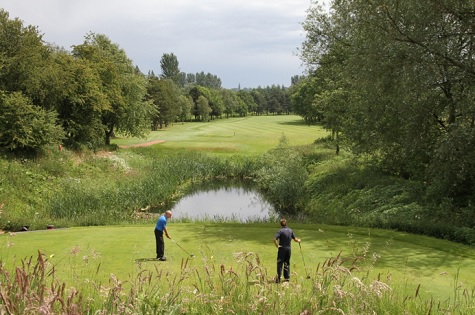


Fiddlers Ferry GC 


Many courses have large tree-covered areas that absorb CO₂. Fairways, roughs, and greens capture carbon through photosynthesis. Some courses are on peatland, which can either store or release carbon depending on management.


Coupled with Sustainable Management Practices golf clubs can reduce their inputs of chemical fertilisers, and fuel by changing to electric mowing. Hey can also undertake efficient water use by rainwater harvesting and the use of drought-resistant grasses. Some clubs have fitted solar panels and use electric buggies.


Golf clubs should see the opportunity of bringing in local schools for visits, where children and staff see the work that goes on at the golf course.
In recent years we have seen a number of golf courses embracing Biodiversity Net Gain (BNG), encouraging them to enhance and restore natural habitats while continuing to operate as recreational spaces. From early 2024 BNG is open for developers, land owners, local government to strategically consider projects that will enhance land for good. Golf courses thinking of major developments, such as filling, landscaping, even general fabric enhancements can bring in BNG to assist with a longer-term financial return based on sustainability goals, those goals introduced by the R&A Golf Course 2030 commitment.


Gillyflower Golf Course, Cornwall

Gillyflower Golf Course has adopted eco-friendly practices by replacing traditional chemical fertilisers with seaweed-based alternatives. This natural approach promotes plant growth and stress resistance without harming the environment. Since implementing this policy, the course has observed the return of wildlife, including kingfishers and cormorants, to nearby rivers and the course's lake, Loch McVie. 


Ullesthorpe Golf Club, Leicestershire

In May 2023, Ullesthorpe Golf Club hosted a seminar in collaboration with EMEC Ecology to explore BNG funding opportunities. During this event, EMEC demonstrated how the club could enhance grassland, woodland, and pond areas to create a more biodiverse landscape, benefiting both wildlife and golfers. 


Celtic Manor Resort Golf Club, Wales
Between 2017 and 2022, Celtic Manor Resort Golf Club reduced its water usage by 42% by constructing a sustainable, closed-loop irrigation system comprising five lakes and a reservoir. This system ensures that the club uses only water from this self-sustaining system, eliminating reliance on mains water. They also monitor usage and leakages, recycle water, and offer reusable water bottles to players. 


These examples illustrate how golf courses can effectively implement BNG principles, leading to enhanced biodiversity, improved sustainability, and a positive impact on local wildlife.
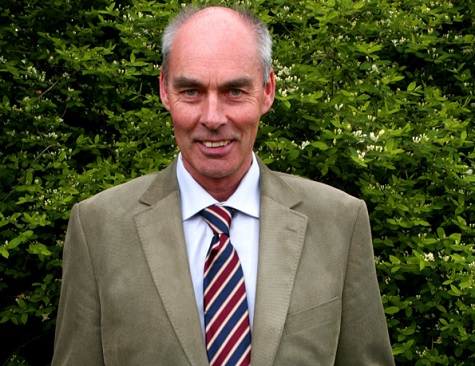


One of the most influential characters, who over many years transformed so many golf courses, was Laurence Pithie who became the first Master Greenkeeper in 1991. He was also honoured as Greenkeeper of the Year in 1984 and Groundsman of the Year in 1988. From 1992 to 2009, Laurence managed multiple golf course sites, initially with a construction company and later with American Golf and Crown Golf. 


In 2009 he started his own consultancy business Turf Master One and has written two books, Managing Golf Courses More Effectively and Seasonal Requirements for Golf Course Management. He also authored a comprehensive Golf Course Maintenance Manual produced by the English Golf Union. 
 
I have spent many an enjoyable day with Laurence. He has also penned a number of articles for me over the years. I was particularly impressed with his golf course maintenance manual. It had everything you needed to know about how to manage a golf course. 



Enville GC 


Over the years Laurence helped many greenkeepers to find their potential and go on to managing their own golf clubs.  


Andy Wood was one of these. I first met Andy when he was working at Robin Hood Golf Club. In the matter of a few years he had transformed the golf course - improving the golf playing experience to a new level just by modifying a few holes, relocating bunkers and taking maintenance regimes to a new level. After a few years Andy moved to Enville GC where again he has managed to transform the club to be a candidate for a top 100 club status. The work he has achieved with his small team of staff has been exceptional. 


The Highgate and Lodge courses are a mixture of picturesque heathland and majestic woodland. In 2025 the Highgate course will be used again by the R&A for Regional Open Qualifying. In 2017 the club proudly hosted the R&A Girls’ British Open Amateur Championship and the R&A Girls’ U16 Amateur Championship from 2021 until 2023. 


Andy is now director of golf and oversees the management of the course, essentially wearing two hats. Andy’s working career began after graduating from Myerscough College in 1997 with a HND in Turf Science and Golf Management whilst working at the Belfry, advancing to deputy course manager before the 2002 Ryder Cup. 


There are several of Andy’s Belfry work colleagues who have moved on to become course managers in their own right. Luke Dennis, Robin Hood GC; Mark Smith, Oulton GC; and Chris Bromley, Stratford Upon Avon GC. 


I have also spent time with Simon White the course manager at The Chase Golf Club in Staffordshire, England. With a career spanning over two decades, Simon has garnered extensive experience in golf course management and greenkeeping that began when he enrolled at Reaseheath College in Nantwich in 1996, where he obtained a Higher National Diploma (HND) in Golf Course Management. During his studies, he completed a work placement at The Forest of Arden Golf & Country Club, gaining valuable experience by participating in a European Tour event. 
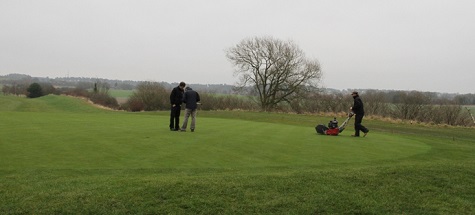


Simon with Mark Allen, Agrovista rep, taking soil samples of the green


Following his time at The Forest of Arden, Simon advanced his career by taking on roles at Abbotsley Golf Hotel and Cotgrave Place Golf Club. In 2007, he joined The Chase Golf Club that he has meticulously maintained, benefiting from its sand and gravel foundation that ensures excellent drainage and year-round playability. 


Through his dedication and expertise, Simon White continues to enhance the quality and reputation of The Chase Golf Club, providing an exceptional experience for its members and visitors.
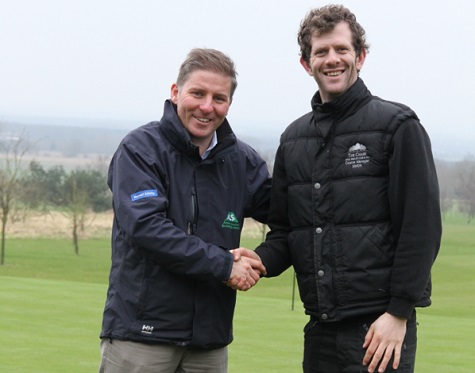


Mark Allen, Agrovista Amenity and Simon White at the Chase GC 


Helping all these dedicated greenkeepers are the many company product reps, many of whom are past greenkeepers.


During my visit to the Chase GC Mark Allen was on site taking soil samples. I have known Mark for a few years having worked together at Pitchcare / ALS. Mark, like many of the other reps, has exceptional knowledge of the range of products that have been made to improve plant health and condition soils. 


We now have a plethora of products for sale in the form of wetting agents, growth retardants, fertilisers, seed and top dressings. All key ingredients that are available to help promote heathy swards. 


These reps are seeing the results of their advice daily, and over time can form strong opinions on what works best for a given sports facility. Over time they tend to build strong relationships with their customers.  


Most turf managers are happy to try out new products, if they think it will work in tandem with their own working practices and regimes. And they are fully aware that what works on one golf course may not work at another.
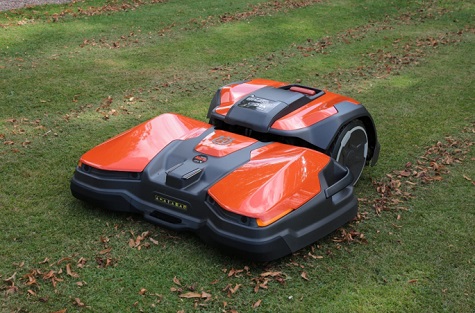
 

Husqvarna robotic mower 


Talking off new products, in recent years we have seen the move towards robotic technologies with a raft of robotic mowers being manufactured primaryly for the domestic and large estate markets. We are now however, seeing a number of golf clubs taking the opportunity of investing in robotic mowers. The development of GPS technologies means these machines can be programmed to cut fairways, semi rough and rough – which is a game changer. 
They do not come cheap, but with a cost of a fairway mower now in the region of between £50-100K, the cost of 5 or 6 robots to do the same job, is a close call. 


The benefit for golf clubs is it frees up valuable labour to do other jobs. My own worry is if they do become popular and are able to achieve their potential, then we are going to see many more clubs investing in this new way of working - and maybe this could be used as another excuse to reduce staff numbers? 


As for other progress seen in the last 50 years, it fundamentally comes down to better education of greenkeepers. And this has come about with the work done by BIGGA since the 1980s, under the stewardship of Neil Thomas, John Pemberton and Jim Croxton.
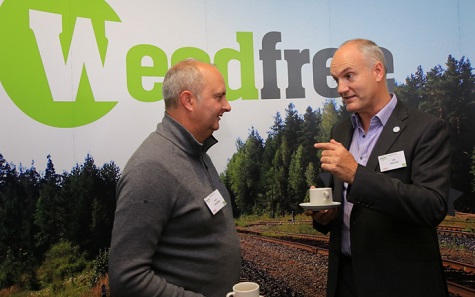


Jim Croxton, right, talking to Paul Woodam, R&A


To help educate and continue to help run the game, the R&A have recently appointed a number of experienced ex greenkeepers to help run their new Sustainable Agronomy Service headed up by Daniel Lightfoot, director - Sustainable Golf at The R&A. And it would seem that from the recent exodus of STRI agronomists to the R&A, that they are certainly looking at providing a new service to support UK greenkeepers in the coming years.


Finally, I believe we need to talk about pay and conditions for greenkeeping.


The pay and working conditions of UK greenkeepers has long been a topic of debate within the golf industry. While greenkeepers play a crucial role in maintaining the quality and playability of golf courses, their compensation and working conditions often do not reflect the skill, dedication, and long hours required for the job.


Current pay for UK greenkeepers


Greenkeeper salaries vary based on experience, qualifications, and location, but many argue that pay is too low given the level of responsibility. According to BIGGA’s 2023 Salary Survey, here are the approximate salary ranges:
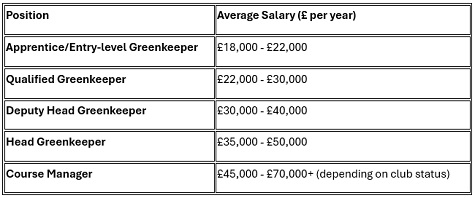


Elite venues (e.g., Open Championship courses, Wentworth, or high-end private clubs) can pay significantly more, but the majority of UK clubs operate at the lower end of these ranges.


Many greenkeepers work long hours, including early mornings, weekends, and adverse weather conditions, without pay that matches their dedication.
While greenkeeping is a rewarding career for those passionate about golf and turf management, working conditions can be challenging:


Are greenkeepers paid fairly?


Many in the industry argue that greenkeepers are underpaid compared to their skill level, responsibilities, and hours worked.

  • Jim Croxton (BIGGA CEO) has openly called for better recognition and pay for greenkeepers, stating that their work is essential to golf but undervalued.
  • The cost-of-living crisis has made low wages even more of an issue, leading to concerns over greenkeeper retention.
  • Many greenkeepers leave the industry for better pay in landscaping, sports turf management, or private estate maintenance.

How can pay & conditions improve?


Better industry-wide pay standards. Clubs need to invest in staff, not just course upgrades. Greater recognition from golf clubs & players – More appreciation of greenkeeping as a profession.  Avoid overworking small teams and improve work-life balances.


If clubs want to retain skilled staff, they must invest in better wages, conditions, and appreciation for the role.


Also, for me, one of the biggest problems driving greenkeepers out of the industry is the pressures of work, especially when they are answerable to a greens committee who often do not have any clue or idea of what’s required to maintain a golf course. 


Too often it takes time to educate these committees to understand the whole picture, but as soon as you achieve that, another new greens chairman often comes into play and the problem starts all over again.  Most course manages spend a lot of time providing reports, educating these committees, conducting walks and explaining specific challenges (e.g., drainage issues, disease management, bunker maintenance).


However, this issue is still a major bone of contention between the course manager and the greens committee. The biggest reason for tension between greenkeepers and committees is lack of understanding and respect for the greenkeeping staff. 


Don’t get me wrong there are no doubt many golf clubs who have an excellent working relationship with the greenkeeping staff and all bolds well. However, when it comes to pay and working conditions for many clubs is still way off the mark. 


I visit many golf courses where the mess room facilities and sheds are in a disgusting state. I am sure if you were to ask the golf professional or the club secretary to put up with that sort of accommodation, they would soon leave or make a fuss. 


These problems tend to be with golf clubs with 5 or fewer staff. In my opinion, there is so much work to be done with a team of 4/5 that they barely get time to sit down, let alone spend hours keeping the mess rooms and shed clean and tidy. 


Is it not time that golf clubs realised that a typical 18 hole golf club needs about 7 staff to be efficient and to present the standard of golf they expect. It is time clubs invested more in staff and provided better working conditions.


Running a golf course is a large undertaking and relies heavily on the staff and people working at the club. Without an experienced, motivated workforce the golf course would soon fail to deliver or be profitable and therefore hold it value. 


The greenkeeping staff are the key members of any golf facility. It is about time they are given the respect they have earned. 


You can also read:


Part one of 50 Years of Golf Stewardship here


Part two of 50 Years of Golf Stewardship here


Part three of 50 Years of Golf Stewardship here


Part one of Cricket Through The Decades here.


Part two of Cricket Through The Decades here


Part one of my 50 years of football here


And part two of 50 years of football here.