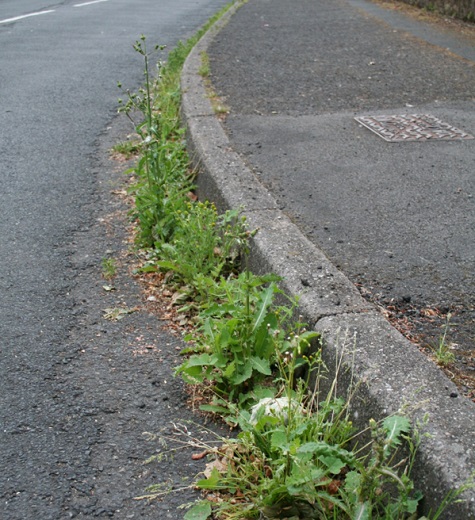
Weed growth has been significant this year, both on hard and natural grass surfaces.
The recent period of warm and wet weather has undoubtedly increased the growth of weeds in our environment. Seen on natural grass playing surfaces, it can however be more of a problem when they appear in other surfaces such as roads, road verges, parks and playing fields - not to mention, paths, car parks, railway lines, gardens and building sites.
Weeds can be prolific and cause damage to infrastructures, especially when they are not managed.
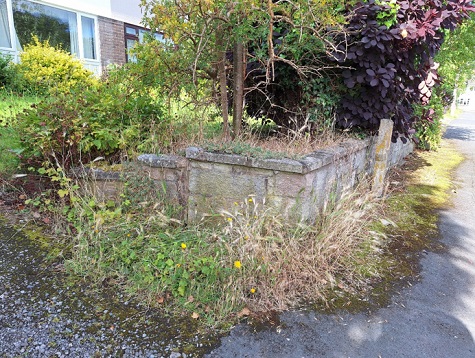
By definition a weed is a plant that is growing in the wrong place. Weeds take valuable space, water, sunlight and nutrients that may otherwise be accessible to important crops, in our case turf grasses. Weeds not only compete for these resources they can disfigure and cause problems to playing surfaces.
Weeds are very good competitors and take advantage of any opportunities to colonise turf situations, particularly when the sward is under stress and weak, leaving bare soil areas for weeds to populate.
Weeds have many mechanisms and characteristics that enable them to do this, having thick waxy cuticle leaves that can be resistant to some chemicals, fast reproduction methods, the ability to reseed in six week cycles and deep tap roots enabling the weed to survive in compacted dry ground conditions.
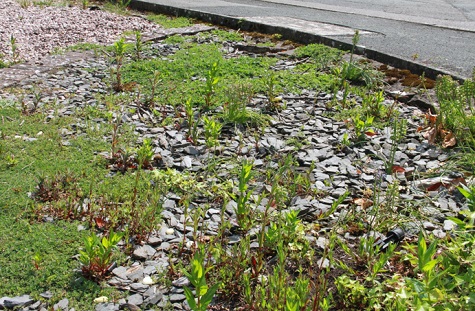
Weeds have one of three life cycles: annual; biennial or perennial.
Annual weeds: Live for a single season. These weeds germinate from seed in the spring or summer, flower and then die.
Biennial weeds: Live for two seasons. During the first growing season, these weeds remain in a vegetative stage and, in the following year, produce flowers, set seed and die.
Perennial weeds: Live for multiple seasons and flower more than once. Perennial structures (rhizomes, stolons, crowns, entire plants or roots) survive from year to year.
We now have a plethora of methods both chemical and mechanical to control weeds in given environments. This booklet produced by Pesticide Action Network is a good read and offers several methods of weed control.
All weeds (plants) require light, food and water to survive. - remove any one of these and a plant will suffer. In general, soil or detritus is a medium which stores the water and food for a plant.
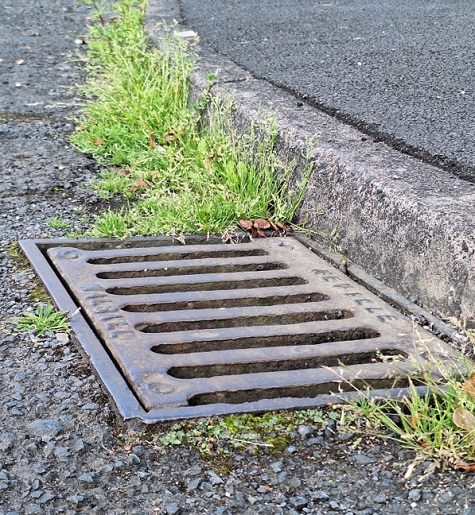
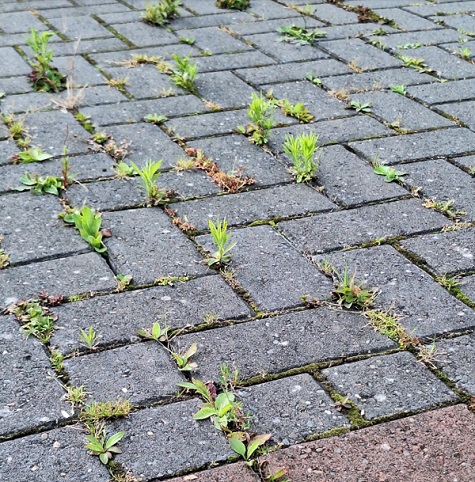
Soil is not an intended constituent of a hard surface. Therefore, plants do not grow on hard surfaces!
However, we know that plants may be found growing on or in hard surfaces. Therefore, soil must be on or in the hard surface. Causes of this include, soils migrating from adjacent organic surfaces; soils being formed from detritus remaining on the surface; broken and unsealed hard surfaces allowing soil pockets; or access to soil layer below hard surface. Even If we use a chemical herbicide or any other method to simply kill the plant the causes remain, and regrowth is inevitable.
However, if we remove the soil and, importantly, the cause of the soil, we short circuit the cycle.
Statutory provision is made for this in The Environmental Protection Act 1990 which imposes duties under section 89(1) and (2) on certain landowners and occupiers to keep specified land clear of litter and refuse, and on local authorities and the Secretary of State to keep clean public highways for which they are responsible.
Code of Practice on litter and refuse published by DEFRA April 2006 and modified 2019 Part 1 Section 5 lists detritus as refuse and litter and must be removed from the highway under section 89 of the act and recommends detritus should be removed from all other hard surfaces as well.
Chemicals have their place, but they have been hijacked to cover the cracks in our pavements. Prevention is often better than a cure, therefore we must look at programmed effective maintenance regimes to reduce this unwanted weed growth.
The greater the depth of soil available to the weed, the greater chance of allowing deeper rooted perennial weeds to establish themselves.
Deep rooted perennials are far more difficult to kill once established. Shallower soil will only sustain annual weeds which are easier to control with methods such as heat or sweeping. A maintenance specification may be designed to prevent detritus from building up on hard surfaces. This not only requires thought for the surface but also the surrounding environment which may affect the surface.
We now have a number of good mechanical aids that can be used to remove weeds from hard standing areas, these include some of the following :-
Weed Torches, hot Flame devices essentially a propane torch is used to apply direct heat to the weeds, causing them to wilt and die.
Pros: Environmentally friendly (no chemicals), effective on all types of weeds, and quick results.
Cons: Requires careful handling to avoid fire hazards and may need multiple applications.
Hot foam weed control is an innovative method that combines hot water and a biodegradable foam to kill weeds.
Pros: Effective Weed Control : Environmentally Friendly: Residual Effect, Non-Chemical: Safe for Surrounding Plants and Soil:
The heat from the hot foam kills weeds by denaturing proteins and causing cellular damage, effectively killing the plant down to the root.
The foam is usually made from biodegradable materials, such as plant oils or sugars, making it safe for the environment and non-toxic to humans and pets.
The foam acts as an insulator, keeping the heat on the weeds for a longer period, enhancing the effectiveness of the treatment.
This method avoids the use of harmful chemicals, making it suitable for organic gardening and environmentally sensitive areas.
Because it targets only the weeds directly treated, it doesn't harm surrounding plants or soil health.
Cons: Cost: The equipment required for hot foam weed control can be expensive, making it less accessible for small-scale or individual use. Also, this method might not be as readily available as traditional chemical herbicides, and finding a service provider or equipment can be challenging.
Heating the water to produce hot foam requires energy, which can make this method less energy-efficient compared to some other weed control methods.
Like other thermal weed control methods, multiple applications may be necessary to achieve long-term weed control, especially for deeply rooted or particularly resilient weeds.
Using hot foam equipment requires some level of training and safety precautions, which may add to the complexity of its use compared to simpler methods.
Hot foam weed control is an effective and environmentally friendly method suitable for hard surfaces. It combines efficiency with safety, making it an attractive option for those seeking non-chemical weed control solutions. However, the higher cost, equipment requirements, and need for multiple applications can be drawbacks to consider. For those willing to invest in the technology, it offers a sustainable and effective way to manage weeds on hard surfaces.
An assortment of powered strimmers, blades and brushes can be affective in removing surface vegetation but operations would be need to be repeated on perennial weeds.
Pros: Effective for removing tough weeds and debris, non-chemical, can reach narrow spaces.
Cons: Can be labour-intensive, may cause wear on hard surfaces over time.
Power Washers have been used to blast weeds out from cracks and crevices.
Pros: Effective for removing weeds and cleaning surfaces simultaneously, non-chemical.
Cons: Requires access to water and power, may damage delicate surfaces or wash away joint sand in pavers.
Finally, hand weeding using hoes and scrapers can be effective on small areas but can be labour intensive.
It's important to assess the extent of the weed problem, the type of hard surface, and your own physical ability before choosing the best method. Combining these methods might provide the most comprehensive solution.
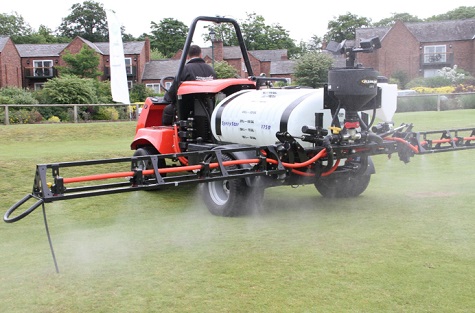
Weeds in turf are a generally a different proposition other than hand pulling them certain weeds the most effective method would be an application of selective herbicide.
However, again there some pro and cons of using chemical products
Pros: Professional herbicides are formulated to effectively control a wide range of weeds, ensuring a more manageable and healthier garden or agricultural area.
These herbicides often work faster and require fewer applications compared to non-professional alternatives, saving time and labour.
Many professional herbicides are designed to target multiple types of weeds, reducing the need for multiple products. They also usually offer extended weed control, reducing the frequency of reapplication.
Professional herbicides are developed with advanced chemical formulations to enhance their performance and minimise damage to desired plants.
For large-scale operations, buying professional herbicides in bulk can be more cost-effective than purchasing smaller quantities of consumer-grade products.
Cons: Professional herbicides can be expensive, especially for small-scale or home use, making them less accessible for some individuals.
There is a potential for health risks if not used properly, including skin irritation, respiratory problems, and other health issues related to chemical exposure.
These herbicides can harm non-target plants, wildlife, and beneficial insects, and may contaminate water sources if not applied correctly.
Overuse of herbicides can lead to weed resistance, making future control efforts more difficult and requiring stronger or more chemicals.
Professional herbicides are often subject to strict regulations, requiring specific licensing or certification to purchase and use them legally.
Proper application often requires specialised knowledge and equipment, making it challenging for untrained individuals to use them effectively and safely.
Professional herbicides can offer significant benefits in terms of effectiveness and efficiency for weed control, particularly in large-scale operations. However, they come with higher costs, potential health and environmental risks, and regulatory requirements that need careful consideration. Users should weigh these factors and consider proper training and safety measures to mitigate potential downsides.