EDITOR'S BLOG
TEN-DAY PREP
For cricket
by TurfPro Editor, Laurence Gale MSC, MBPR
 
Laurence Gale MSC, MBPR

Following on from last week’s blog, and the publishing today of part two of my Cricket Through the Decades article, I will be talking about the 10-15 day preparation of a cricket pitch.


Following on from last week’s blog, and the publishing today of part two of my Cricket Through the Decades article, I will be talking about the 10-15 day preparation of a cricket pitch.


During the month of March, we should now start seeing some warmer, better weather. With soil and air temperatures rising into double figures hopefully, this should start to help promote some much-needed grass growth.


The ideal grass height for a cricket square in the UK varies depending on the time of year and the level of play. 

  • Out of season (Autumn & Winter): 12-15mm
  • Pre-season (Spring): 10-12mm
  • During the season (April - September): 8-12mm
  • Match pitch preparation (10-day prep): Gradually reduced to 4-6mm

Hopefully rolling will have started and you are on track with your pre-season preparations. 


Preparing a cricket wicket in the UK requires careful planning, considering the weather and soil conditions. The general rule of thumb for preparing a decent pitch is centred around a 10-day preparation plan.


At county level it is more likely to be centred around a 14 day preparation as they need spend more time and effort on producing county standard pitches.


The following 10-day preparations are only a guide to the core operations to be undertaken to produce a pitch for play. Local conditions, manpower and resources will dictate what can be achieved. Each turf professionala may have their own interpretations on what needs to be done during this preparation window.


Also, the weather may dictate what can be achieved or the shear pressure of fixtures may restrict what you can do in the time you have between matches. 


Some clubs do not have access to covers and sheets and are at the mercy of the elements so pitch preparations will be dictated by what can be achieved during favourable weather fronts.


Day 1-2: Initial Preparation

  • Mowing: Cut the wicket to 10-12mm to remove excess grass.
  • Scarifying (optional): Lightly scarify the surface to remove thatch and encourage dry conditions.
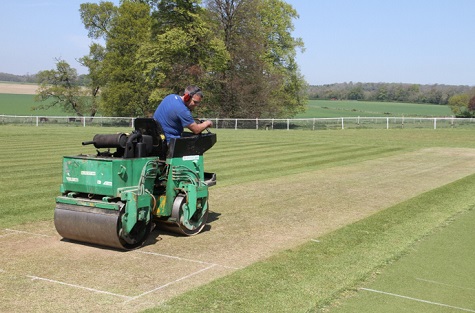
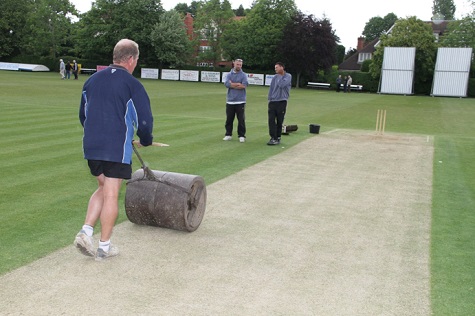
  • Rolling: Use a heavy roller (500-1000kg) in dry conditions to start firming up the pitch. Roll 30 minutes
  • Watering: soak or apply light watering if the wicket is too dry, ensuring even moisture distribution and if required cover with flat sheet.

Day 3-5: Consolidation

  • Mowing: Reduce height to 8mm.
  • Rolling: Increase rolling intensity, using the roller in multiple directions (morning and afternoon if conditions allow). Roll 30 minutes  
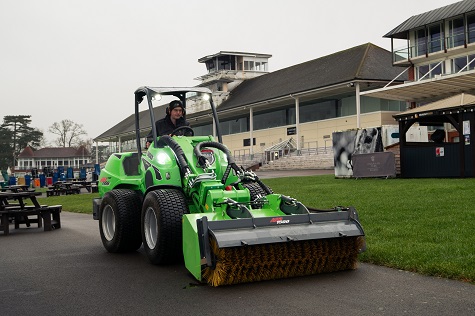
  • Brushing: Brush off loose debris and grass cuttings.
  • Watering (if needed): Only add light water if the wicket is excessively dry - avoid overwatering

Day 6-8: Refining the Surface

  • Mowing: Cut the pitch to 6-7mm.
  • Rolling: Continue rolling to harden the surface further. Roll 15 minutes
  • Scarifying (optional): Lightly scarify the surface to remove thatch and encourage dry conditions.
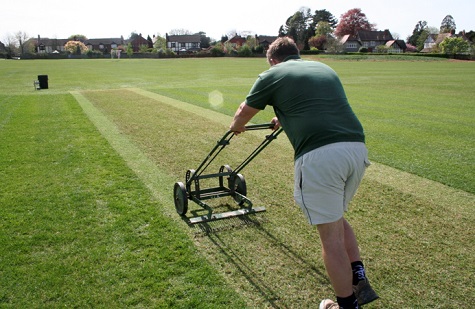
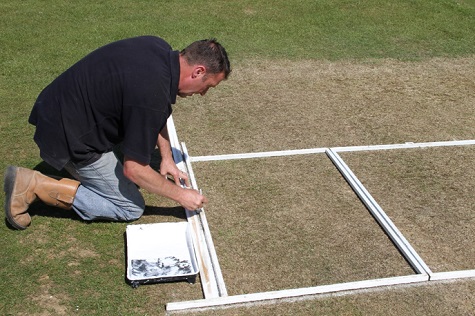
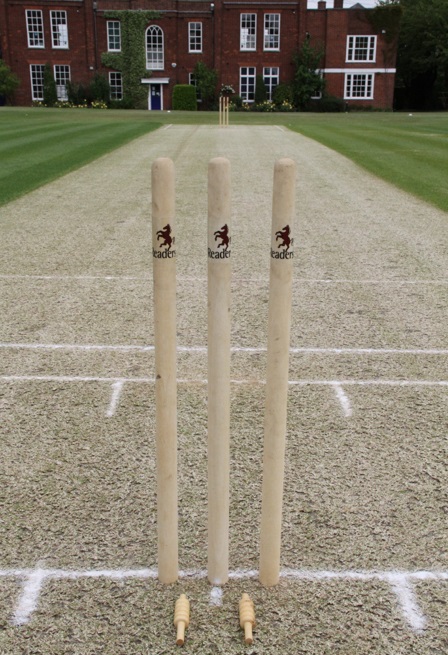
  • Marking out the pitch: Lightly mark crease positions.
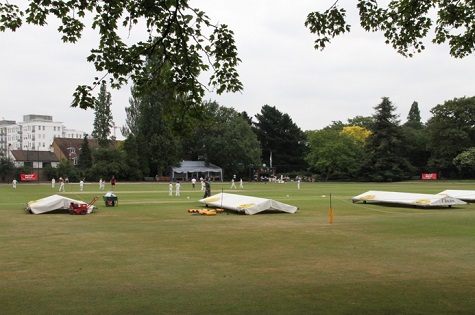
  • Drying: If rain is forecast, use covers but allow airflow to prevent sweating.


Day 9: Final Preparation

  • Mowing: Reduce grass to 5mm.
  • Final Roll: Use a heavy roller for a long session in the morning.
  • Brushing: Remove any loose material.
  • Watering: Only if required, but typically avoid at this stage.


Day 10 (Match Day)

  • Mowing: Final cut at 4-5mm.
  • Marking: Paint the creases clearly.
  • Final Light Roll: Use the roller just before play if conditions allow.
  • Pitch Assessment: Ensure even bounce and firmness, removing any excess debris.


Weather Considerations: Adapt rolling and watering based on rain forecasts.


Grass Type: If it's a green seamer, leave a slight covering of grass; for a turning pitch, remove more grass.


Cover Management: Keep covers handy to protect against rain but remove them early to allow natural drying.


As for the outfield maintenance, it is a case of mowing the outfield at least once week or if you have the time twice a week to improve density and smoothness. 


Aeration and an application of fertiliser of the outfield would be helpful to increase porosity and initiate some grass growth. 

NEWS
WARNING OVER FURTHER TURF PRICE RISES
As industry challenges persist
 
Turf prices are set to rise

In our first WEB ONLY story turf growers have reported mounting pressures that they say will inevitably drive up the overall cost of production, and therefore the sale price of turf.


GROUNDS TEAM WIN LOAN OF LOADER
From the GMA Awards
 
The winning loader

In our next WEB ONLY story the loader was awarded to the racecourse after they were named the Professional Racecourse Grounds Team of the Year.


PRO DEALERSHIP SIGNS MILITARY COVENANT
To support service leavers
 
Richard Allard, group service manager, signing the Military Covenant

Joins network of UK business actively championing veterans, offering a commitment of fair opportunity, and recognising the wealth and talent they bring to the workforce.


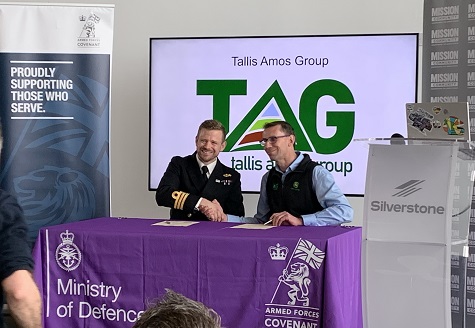
On Monday this week (24th February 2025), Tallis Amos Group (TAG) reaffirmed its commitment to supporting veterans through their transition into civilian employment with the signing of the Military Covenant by Richard Allard, group service manager of TAG, at the Mission Motorsport event at Silverstone Circuit.


Richard Allard, group service manager, signing the Military Covenant


By signing the Military Covenant Tallis Amos Group joins a network of UK business actively championing veterans, offering a commitment of fair opportunity to service leavers and recognising the wealth and talent they bring to the workforce. This partnership builds on the work done to support service leavers by fellow signatory John Deere Ltd through their Military Hire Program (MHP). 


First set up in 2023, the Military Hire Program provides a structured pathway before, during and after resettlement for service leavers to join the John Deere UK & Ireland dealer network. John Deere Ltd and Tallis Amos Group say they have been instrumental in providing skills-based training to a large number of veterans in addition to providing a UK support network and offering employment opportunities within the UK&I dealer network. 


Managing director Ben Tallis said, “Tallis Amos Group are proud to support our Armed Forces and veterans. As a business we are delighted to help service leavers as they transition from the armed forces to civilian life. They arrive with us having received system specific training in our machinery and have consistently proven themselves to be some of our most dedicated and talented team members. Their commitment and professionalism are demonstrated time and time again.”


Richard Allard with Guy Bunting, TAG talent acquisition


Martin Frodsham a Military Hire Program graduate and Tallis Amos employee shared his perspective on the program, saying, “Being one of the first to graduate from the JDMHP in the UK and employment with TAG, I thank TAG for being the first to enterprise veterans into agricultural engineering. John Deere has given us the tools and opportunity self-motivated veterans needed to make a mark on this industry, thank you for all your support.”

CARRS BILLINGTON EXPANDS DEALER TERRITORY
For groundscare brands
 
Douglas Jeffrey and Amanda Smith

Dealer says the development means they can offer more solutions to meet the needs of professionals working in groundcare, forestry and landscaping.


T H White Machinery Imports has announced that Carr’s Billington is expanding its dealer territory to cover Northern England and Southwest Scotland.


L-R; Douglas Jeffrey, area sales manager, T H White Machinery Imports and Amanda Smith, branch manager, Carrs Billington


This strategic expansion means they can now serve customers in these regions with brands including Ferris commercial mowers, Spider remote-controlled slope mowers and Ohashi compact tracked chippers.


Amanda Smith,branch manager at Carr’s Billington, Byers Green, Spennymoor, said, “At Carr’s Billington, we pride ourselves on delivering high-quality products and expert service to our customers. With Ferris, Spider and Ohashi, we can offer even more solutions to meet the diverse needs of professionals working in groundcare, forestry and landscaping across Northern England and Southwest Scotland.”


Douglas Jeffrey, area sales manager at T H White Machinery Imports, said of Carr's Billington, “Their expertise and strong local presence ensure that more customers will have access to industry-leading groundcare equipment, backed by exceptional service and support.”

WILDWOOD EXTENDS PRODUCT RANGE
New franchise for dealership
 
L-R: Sheldon Diplock and Rob Hogarth

Company says they are now in a position to meet a wider range of clients and projects.


Winchester-based groundcare business Wildwood Machinery have announced they have extended their product range with the addition of a dealership contract with Wessex International.


L-R: Sheldon Diplock (Wessex) and Rob Hogarth (Wildwood Machinery)


Managing director James Bastian said, "A vital component in our success has been our ability to source, supply and maintain the very best equipment available to the UK market. Now, as the main local dealer for Wessex International we are in a position to meet an even wider range of clients and projects."
  
James concluded, "At Wildwood Machinery our focus is on providing the absolute highest quality services to the groundcare profession, from our base in Winchester. It's proving to be a potent combination, and appeals to clients from schools through to clients including Premiership football clubs, Local Authorities, the National Trust and many of southern England's leading golf clubs."

JOBS
SALES AND TECHNICAL SUPPORT – HYDROSCAPES
Reesink UK Ltd
 
Reesink UK Ltd

To cover the area from Birmingham to the South coast of the UK promoting/selling Toro Golf, Res Comm, & Perrot irrigation products and complete system sales.


MOBILE SERVICE TECHNICIAN - BURWELL
Reesink UK Ltd
 
Reesink UK Ltd

To provide practical, field, technical and repair support to end user customers of the brands enhancing their product satisfaction and experience.


AREA SALES – LONDON
Reesink UK Ltd
 
Reesink UK Ltd

To promote the sales and support services of all Reesink Turfcare products.


MOBILE SERVICE TECHNICIAN – SHEFFIELD PARK
Reesink UK Ltd
 
Reesink UK Ltd

To provide practical, field, technical and repair support to end user customers of the brands enhancing their product satisfaction and experience.


ADVERTISE YOUR JOBS HERE
Amazing success rates!
 
Advertise your jobs on TurfPro Weekly Briefing

Advertise your recruitment needs on TurfPro Weekly Briefing and reach our targeted audience of recipients every week.

Contact Nikki Harrison for details - 01491 837117


PREVIOUS FEATURES
EDITOR'S BLOG ARCHIVE
Catch up with Laurence Gale's recent blogs
 
TurfPro editor, Laurence Gale

Want to catch up with one of editor Laurence Gale's blogs? Here is the place to do so.


TURFPRO FEATURE ARCHIVE
Find our previous features here
 
TurfPro Feature Archive

If you want to catch up with any of TurfPro's previous features, here is the place to do so.


CRICKET MANAGEMENT THROUGH THE DECADES
Part one


A LOOK AT THE OPTIONS
When implementing an integrated approach


50 YEARS OF FOOTBALL MANAGEMENT
Part two


50 YEARS OF FOOTBALL MANAGEMENT
Part one


57 YEARS & COUNTING!
My life in the industry


DEMONSTRATING AND APPLYING AN INTEGRATED APPROACH
New series of articles for 2025


IMPLEMENTING SUSTAINABLE PRACTICE
Examples from across the year


VINTAGE PUSH MOWER USE
Enthusiast maintains lawn the old fashioned way


SUSTAINABLE AMENITY MANAGEMENT
Principles and practises


PLACING URBAN GREEN SPACES AT THE HEART OF INFRASTRUCTURE
Midlands Parks Forum's annual conference


RAISING THE VOICE
At the Amenity Forum's annual conference


SUSTAINABLE PARKS
Parks For London case study


WHY GRASSROOTS RUGBY IS IN DECLINE
A steady drop off in participation.


SEEDS OF SUSTAINABILITY
Focus on a major supplier of grass seed and related products to the amenity sector


ON TEST
STIHL BGA 300 cordless leaf backpack blower


ON TEST
EGO Multi-tool


PUT THEM ON THE TOOLS!
Time for an attitude change


SUSTAINABILITY IN THE TRAINING SECTOR
Grasping the challenge of encouraging more sustainable practice


SUSTAINABILITY IN LOCAL AUTHORITIES
Lessons learnt and experiences


SKILL SETS NEED RECOGNITION
Turf professionals are underappreciated


GREATER RESPECT FOR GROUNDS STAFF MIGHT MAKE ALL THE DIFFERENCE
To the recruitment crisis


A COMPETITIVE SALARY
Why employers should advertise the salary when recruiting new staff


ON TEST
Makita XGT UV001G lawn scarifier


AN EXAMPLE OF SUSTAINABILITY IN MACHINERY SUPPLY
Focus on Kubota


MY PERSONAL GREENKEEPING PHILOSOPHY HAS NEVER CHANGED
I don't follow any set program


SUSTAINABILITY IN LANDSCAPING
A substantial element of amenity activity


IS IT TIME TO SAY NO TO 'NO MOW MAY'?
Any real benefits?


SUSTAINABILITY IN OUR PARKS & PUBLIC GREEN SPACES
Meeting the challenge


THE PATH TO WIMBLEDON
For groundstaff member, Conrad Cavil


ON TEST
EGO LBP8000E backpack blower


SUSTAINABILITY IN THE LAWN CARE SECTOR
A key consideration


BEEKEEPING IN COMMERCIAL ENVIRONMENTS
The current situation


SUSTAINABLE PRACTICE IN THE AMENITY SUPPLY SECTOR
Optimising land use through integrated solutions


SUSTAINABILITY IN THE GOLF SECTOR
Focus on BIGGA


THE SEARCH FOR SUSTAINABLE PRACTICE
Bringing together key points


DEVELOPING SUSTAINABLE SOLUTIONS FOR GOLF
R&A are supporting clubs


GETTING THE MOST OUT OF EVERY POUND OF BUDGET
A course manager's view


A NEWFOUND APPRECIATION FOR ALL VOLUNTEERS
Who look after grassroots pitches


SUSTAINABILITY & THE UK ACTION PLAN
For weed, pest and disease management


CONCERN FOR PARKS FOLLOWING COUNCIL BANKRUPTCIES
What does the future hold?


TAKING A GLOBAL LOOK AT SUSTAINABILITY
Is the rest of the world also driving towards sustainable practice?


RENOVATIONS, PLAY AND THANKS
On my mind this week


SUSTAINABILITY – IMPLICATIONS FOR TRAINING & EDUCATION
Set to play a crucial role going forward


TULIP TREE
Liriodendron tulipifera


LYDIA BROOM
Genista lydia


THE LAWN AND ITS VALUE
Changing attitudes


GIANT HOGWEED
Invasive and potentially harmful


LIFE-CYCLE ANALYSIS & SUSTAINABILITY
Considering every stage of the journey


NITROGEN USE EFFICIENCY
The most important nutrient


BERBERIS THUNBERGII
A shrub that has stood the test of time


ENSURING FUTURE PROSPERITY
Advice imparted at road shows


INNOVATION & SUSTAINABILITY
A key focus


PHOTINA RED ROBIN
A sensational flowering shrub


VALUING THE GRASSROOTS
We must not overlook those who maintain these grounds


MANAGING WEEDS SUSTAINABLY
In amenity spaces


DETECTING NUTRIENT DEFICIENCY SYMPTOMS
In turf plants


SPRING RENOVATIONS UNDERWAY
A crucial period


SUSTAINABILITY IN SUPPLY
A focus on those who supply essential inputs to our sector


CHANGING CLIMATE
Is a borehole the key for clubs?


SUSTAINABILITY AT THE SHARP END
How to put into practice when budgets are tight?


ANOTHER NAIL IN THE COFFIN OF GRASSROOTS RUGBY
Clubs are struggling


SUSTAINABILITY IN PRACTICE
Seeking transparent and robust supply chains is essential


TIME FOR ACTION
To reverse recruitment crisis


CONTROLLING COSTS
Planning is crucial


THE SEARCH FOR SUSTAINABILITY
What exactly does the term mean?


CARING FOR THE GRASSROOTS
From volunteers to contractors


DEFRA IS LETTING DOWN THE COUNTRY
Complete failure to address the plastic grass debate


WE CAN ALL DO MORE
To aid biodiversity


MY LIFE IN GREENKEEPING
With Bruce Cruickshank


LEVELLING UP, GETTING SMARTER & GETTING AHEAD
Parks require so much more funding


SWITCHED ON FOR HARD WORK
Putting trimmers through their paces


MACHINERY HIGHLIGHTS
At this year's show


MY SALTEX
Daniel Lewis​, Manchester City Football Club


AWASH WITH LEARNING OPPORTUNITIES
Two months till showtime


LOOKING BACK, LOOKING FORWARD
Priorities for the amenity sector


THE DECLINE OF ‘PARKITECTURE’
A symptom of the state of parks in 2022


DEVELOPERS SHIRKING GREEN SPACE RESPONSIBILITIES
Lack of financial commitment


TIME TO COME TOGETHER
For the good of the industry


THE DEATH OF GRASS ROOTS CRICKET
Gathering apace?


ROUTES INTO THE INDUSTRY MUST BE ENSURED
Q&A with David Fisher, Lantra’s head of industry partnerships


STRONG VIEWS ON CRICKET PITCH PERFORMANCE MARKING
A bone of contention


A PREMIUM PRODUCT
Delivered at Naas Golf Club


THE GREEN REVOLUTION
And Esker Hills


MAKING A CHANGE
Laytown and Bettystown Golf Links


A DAY AT THE RACES
Naas Race Course


WORKING TOGETHER AS ONE VOICE
How the industry needs to proceed


OVER 175 YEARS OF EDUCATION
Wesley College


ELECTRIC EXCITEMENT
Dennis's Ian Howard talks electrification


THE HOME OF CORK GAA
Páirc Uí Chaoimh


LONG POLE BATTERY HEDGE TRIMMERS TESTED
STIHL HLA 66 and HLA 86


OVER 800 YEARS OF HISTORY
Johnstown Castle and Gardens


A CLUB GONE WILD
Kilkenny Golf Club


A GOLF COURSE IN THE GARDEN OF IRELAND
Woodenbridge GC


80 YEARS YOUNG
Charleville Golf Club


AN UPLIFTING EXPERIENCE
Bunclody Golf & Fishing Club


GETTING BACK TOGETHER
Albeit gradually . .


GO WEST
Inishturk GAA pitch – one of the most westerly sportspitches in Europe


WORKING ON A TIGHT BUDGET
Nenagh Golf Club


ON A MISSION
Wrekin Golf Club aiming to enrich wildlife and fauna


WILD AND WONDERFUL
Design By Nature


LEARNING HOW TO SURVIVE
Abbey Par 3


TACKLING OBESITY
Vital that schools can provide sport


A LIFETIME OF LEARNING
Vital for turf professionals


CELEBRATING 125 YEARS
Tullamore Golf Club


UNIVERSITY CHALLENGES
At Trinity College Dublin


BLENDING THE OLD WITH THE NEW
Bray Golf Club


A WELL POLISHED COURSE!
Ierne Social And Sports Club


IDENTIFYING THE TRUE VALUES
Of grounds maintenance


THE INDUSTRY WILL CHANGE & ADAPT
But it will survive


WIRRAL GOLF COURSES SAVED
Renewed hope and optimism for the future


GREEN SPACE CONTRIBUTION TO WELLBEING IS UNDERVALUED
Parks invisible on national agenda


A SHINING LIGHT IN IRELAND'S SUNNY SOUTHEAST
Wexford Golf Club


GREEN SPACES DO NOT LOOK AFTER THEMSELVES!
Keith Kent says we must invest in people


WE SHOULD TELL THE WORLD ABOUT THE UK INDUSTRY
Right time for all sides to come together


SOIL LIFE IS PRECIOUS
Good-quality soil can help save the planet


MORE THAN JUST CUTTING GRASS
Encouraging the next generation


A BUZZ FROM DOING THE JOB
Wide experience of the turf grass industry


PAYING THEIR WAY
Low wages is the bane of the industry


AMENITY MANAGEMENT IMPACTS US ALL
Professor John Moverley


CARING FOR PARKS OF ALL TYPES
Mary Worrall


TOP FIVE FRUSTRATIONS FOR CRICKET GROUNDSMEN
What causes you the most frustration in your role?


PROFESSIONALS AT THE CUTTING EDGE
Vic Demain and Phil Sharples


BOWLS CLUBS IN PERIL
A sad decline


A VERY SPECIAL INDUSTRY
Loz looks back


SNEAK PEAK AT A ROBOTIC "GAME CHANGER"
Commercial model capable of covering 50,000 m2 teased


HALESOWEN PICK A BIG ROBOT UP FRONT
Invest in mowers


COMPRESSED AERATION
The new way


PARKS MATTER MORE THAN EVER
Recent sector developments


ON TEST
STIHL blowers


THREE CORE VALUES TO SHAPE OUR INDUSTRY
Real concerns for the future


ENGLAND'S GREEN SPACE GAP
A split along racial lines


ON TEST
EGO STX3800 strimmer with RTX2300 Rotocut head


A SECTOR FACING IMPORTANT TIMES
Review of the National Action Plan


PARKS MATTER
The role of public parks in the recovery: a discussion paper


A UNIQUE SPORTING VENUE
Wormsley private estate


A BTME OUTDOORS?
A good bet for the industry


PARKS NEED APPROPRIATE POLITICAL REPRESENTATION
Q&A with Philippa Reece, Parks and Foreshore Manager at Adur and Worthing Council


CRICKET LOAM
What does it mean?


A HERCULEAN EFFORT TO GET PARKS BACK TO NORMAL
Q&A with Chris Worman, Rugby Borough Council’s parks and ground manager


ON TEST
STIHL battery products


TURFGRASS STRESS MANAGEMENT
Reactive Oxygen Species (ROS) and antioxidants during biotic and abiotic stress in turfgrass plants


AUTUMN DISEASE MANAGEMENT
The coming months are going to prove very difficult


THE ABUSE OF PARKS . .
Is the abuse of society


WHY PARKS MATTER?
A statement from the Parks Management Forum to the Prime Minister


THE 21st CENTURY PARKS MANAGER
Innovative, creative and entrepreneurial


EAT, SLEEP, CUT, REPEAT!
Cricket under covid


TIME FOR A SINGLE SHOW?
Debate brought back into focus


A CHALLENGING TWO MONTHS
Running golf design projects from home


PRESSURE SITUATION
Cementing the reputation


A CLUB TO BE PROUD OF
10 years at the helm of Olton GC


GAME CHANGERS IN TURFCARE
The day the Lord's outfield reconstruction proved its worth


THE ESSENCE OF ESSENTIAL
Finding a sensible way forward on defining "essential maintenance"


THAT WAS THE YEAR THAT WAS
2001


HOW TO LOOK AFTER A GOLF COURSE WITH NO GOLFERS
Fundamental to the survival of almost all courses, if not of the game itself


RAIN STOPPED PLAY WOULD BE WELCOME
. . along with ‘lunch is being taken early’


PHYSICAL CONTROL OF TURFGRASS PESTS
An urgent problem


A DIVERSE & ENTERTAINING WEEK
Successful BTME 2020


INTEGRATED PEST CONTROL
Opportunity to embrace new methods


ENVILLE ON THE UP
Major investments taking place


GREEN FLAG AWARDS 2019
A great success


U.S PROFESSIONAL EQUIPMENT SHOW EXCELS
Buoyant GIE+EXPO


LEGACY OF THE SOLHEIM CUP
At Gleneagles


A DAY OUT WITH THE LADIES
Behind the scenes at the Solheim Cup


COVENTRY UNIVERSITY'S EDIBLE GARDEN SUCCESS
2006 - present


HAIL THE GRASS MASTERS!
Boorish media comments about pitch quality are wide of the mark


CONTRACTOR SEES MULTI-DISCIPLINE SUCCESS
360 Ground Care serving professional facilities


BUSY TIMES
Judging the Green Flag Awards


TAKING AN INTEGRATED APPROACH
What does it all mean in managing turf surfaces?


UNDER PRESSURE
Dry weather conditions continue to keep turf managers focused on moisture management


EDDIE SEAWARD
Death of Wimbledon’s influential grounds manager


MAJOR NEW IRRIGATION PROJECT
At Top 100 classic Berkhamsted Golf Club


NEW HORIZONS FOR THE HATTERS
Investment paying off at Kenilworth Road


ELIZABETHAN RESTORATION
At Castle Bromwich Hall Gardens


WHAT IS BIOPHILIA?
The vital impact of parks and green spaces on health and well-being


WORM CONTROL
Without carbendazim


THE TRUE COST OF PETROL
Battery-powered outdoor power tools are now turning the heads of professionals


SANDS OF TIME
Sand-based pitches are now the norm in professional sports


WHY DO WE DO THE RIGHT THING?
We must maintain industry standards


CHASING GRASS PERFECTION?
11 things you need to know . . .


MAINTAINING STANDARDS
Q&A with BASIS ceo, Stephen Jacobs


STRI RESEARCH DAY 2018
Hosted at research trial grounds in Bingley


THE MECHANIC
Leicester City FC invest in new role


LORD'S 'GRASS-GUVNOR' TO RETIRE
Mick Hunt bows out after 49 years


HOLLOW CORING & DEEP SCARIFICATION
Is it really necessary?

Side Advert Image


PARTNERS
CAMPEY
 
Campey Turf Care Systems
DENNIS
 
Dennis
Foley
 
Foley Company
HUNTER GRINDERS
 
Hunter Grinders
ISEKI UK & IRELAND
 
Iseki
Kubota
 
Kubota
LANTRA
 
LANTRA
SISIS
 
Sisis
Syn-Pro
 
Syn-Pro
MAJOR
 
Major
Garden trader
 
Garden Trader
PRODUCED BY THE AD PLAIN
The Ad Plain
 
TAP
FEATURE
CRICKET MANAGEMENT THROUGH THE DECADES
Part two
by Laurence Gale, TurfPro editor
 
Rolling

In this part I consider game changing machinery and name-check some of the legends of cricket groundsmanship over the years.


Over the course of the next twelve months, I will be delving into many of my memories, and excursions undertaken, to highlight the management and maintenance our unique sports turf and amenity and landscape sectors. 


Here is the second part of my look at cricket management through the decades.


At professional level specifically, I believe the following three bits of kit have helped enormously to ensure cricket pitches are playable and games played,
These are the Stuart Canvas hover cover; breathable flat covers; and the Blotter machine to soak up surface water.
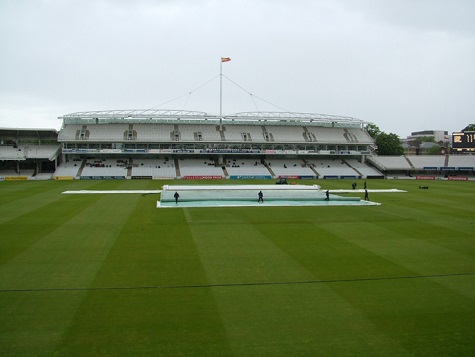


Hover cover at Lord’s 


The Stuart Canvas Hover Cover was developed by Stuart Canvas in the 90s, a company that manufactures a range of protection covers for playing surfaces. The beauty of this is that it’s light, easy to manoeuvre and can effectively be put in place in less than three minutes. The old three sectioned roll-on, roll-off covers used to take between 10 and15 minutes to set up. 
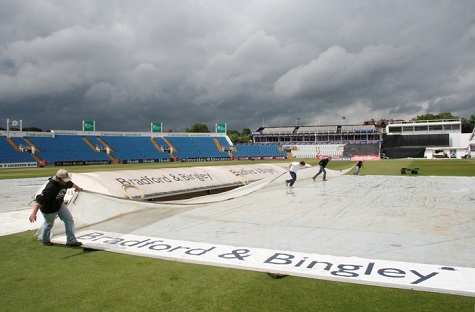


Flat sheets at Headingly 


As for the flat sheets, they have become lighter and more breathable and can cover large areas of both the square and outfield.
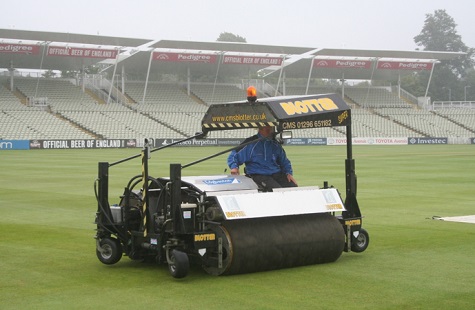


Blotter in use at Edgbaston 


The Blotter, developed in 1990, has helped keep games on, especially after a downpour. The machine has two big sponge rollers that soak up the water from the playing surface. The company now also have developed the mini-Blotter.
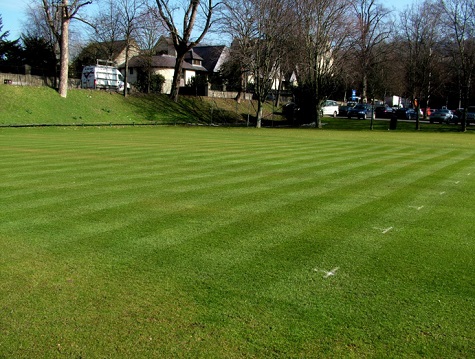


Bath CC net area in March 


Over the last twenty years we have seen great strides in the development of a range of tailored products that help keep the grass healthy, reduce the incidence of disease and control weeds. These come in the form of fertilisers, bio stimulants, seaweed extracts, growth retardants and modern seed varieties.


Modern ryegrass seed varieties have significantly improved the quality, durability, and performance of cricket pitches. These advances result from targeted breeding programs and innovations in turfgrass science. They provide enhanced wear tolerance, rapid recovery, faster germination and establishment rates, coupled with resistance to disease and a fine leaf texture plus stronger root systems.  
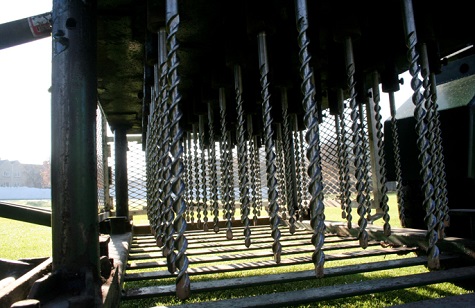


Deep drill machine 


When it comes to renovation and improving cricket pitches, I believe there have been come key innovative methods developed, including The Ecosolve Deep Drill N Fill developed by Bretton King. 
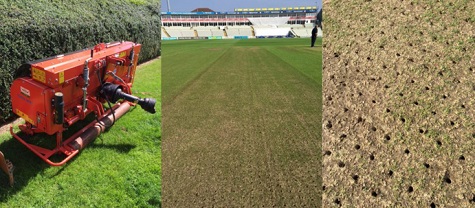


Deep spiking cricket squares 


The fraise mower, that has helped clubs renovate the squares more quickly and reset levels.


The ability of fast tining cricket squares, perfected by Keith Exton of Perfect Pitches using a Wiedenmann XF Terraspiker. Keith himself was head groundsman at Glamorgan CCC and over the years has helped renovate and reconstruct hundreds of pitches and developed and installed both natural and artificial cricket net areas. 
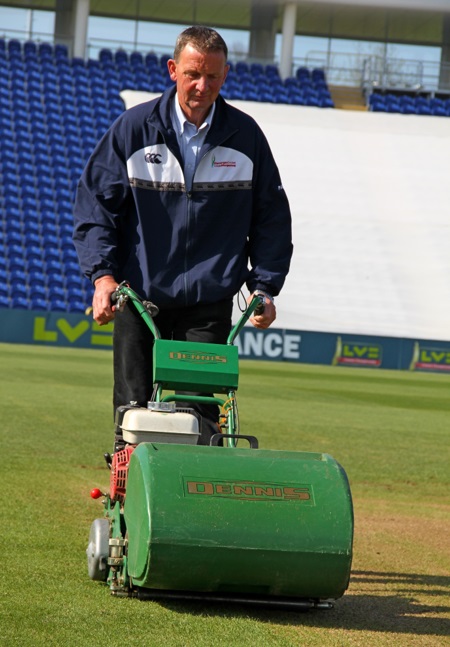


Keith Exton


Other notable contractors include Simon Hutton of Fineturf https://www.fine-turf.co.uk/our-team who has, for the last few years, been responsible for renovation works at Lord’s. 
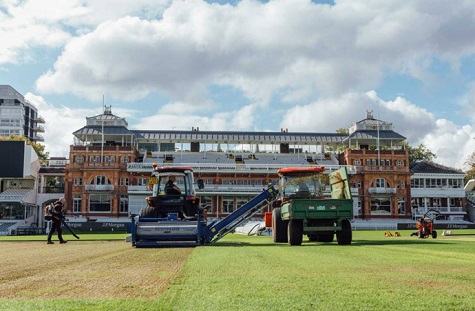


Renovation work at Lord’s - photo courtesy of Fineturf  


The game of cricket is now popular with a wide age-range of players, both boys and girls, all of whom can go onto play at senior levels.



Floodlit game at Northampton CCC


Televised coverage of the sport has enabled the game to grow in popularity, with most grassroots clubs having to host several men’s and women’s senior teams, along with a comprehensive junior section wanting to play games. 


Many cricket clubs now have two grounds to accommodate this demand. For clubs that only have one ground and have a standard size square (around 12 pitches), it can be a tall order to accommodate a busy fixture list.
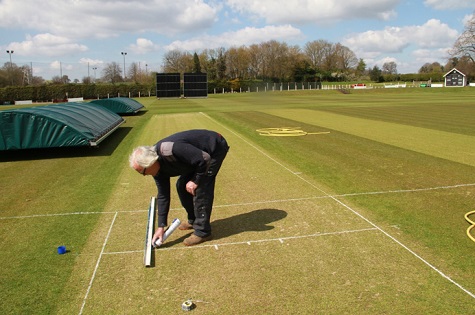


Preparing pitches at Shifnal CC


Talking to many turf professionals and volunteers, the pressure of producing decent playing surfaces for so many fixtures in any one season is becoming harder to facilitate.


Clubs are demanding more games. We have seen in recent seasons the senior clubs starting their preseason training much earlier in the year, with most first-class clubs expecting the pitches to be playable in March. Also, clubs are often asked to prolong the season with games going on until late September.


This late finish to the season often leaves a shorter window for renovations when the weather is favourable, with soil and air temperatures still in double figures to aid germination rates.  Likewise, the challenge in the spring is for the ground staff to be able to get on the ground to start their pre-season rolling programme, when often the weather can be quite poor.
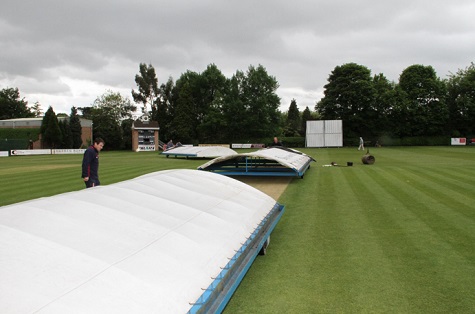


Protecting the pitch at Knowle & Dorridge CC 


During the playing season, the challenge is having the resources, time and ability to prepare and keep pitches playable to accommodate the increasing fixture lists.


Many grassroots cricket clubs rely on a core of passionate, unpaid volunteers who often are ex-players who want to give something back and end up working on the grounds. 


A couple of years ago I, with the help of some practicing groundsmen, collated the time spent on maintaining a 12-strip cricket facility and outfield.  We also accounted for the time prepping wickets, repairing wickets and undertaking end of season renovations. Based on one man working, the total number of man hours to complete these tasks came to around 1200 hours. That’s without the cost of materials and fuel.
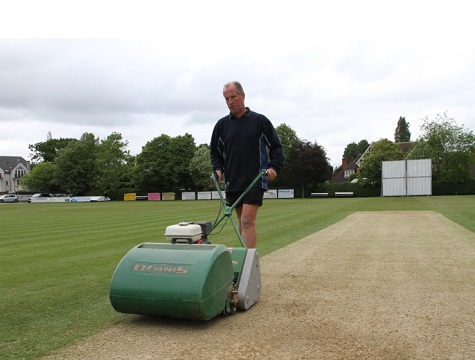


Ian Maddocks at Knowle & Dorridge CC 


This time, based on a nine-month working programme centred around the months of February – October, will equate to around 33 hours’ worth of work required a week during the playing season.


The point I am trying to make, is that the job of looking after a cricket facility is full-time for one person and would also need the support of several helpers to achieve the levels required to look after and maintain a grass roots cricket club facility.


I would like to finish this article by remembering some of the fabulous times I have had, and fine people I have met, covering the sport of cricket.
We must not forget the hundreds, if not thousands, of volunteer grounds staff who throughout the year go beyond the call of duty to get the game on. During my time as an editor I have had the opportunity and joy of visiting most of the country’s grounds. Each and every ground has gone through a vast improvement on their facilities, mainly due to  their endeavour and ambitions.
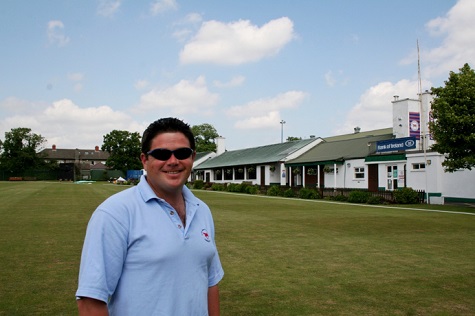
 

Karl at Clontarf CC 


I am personally quite proud to have maybe played a part in encouraging Karl McDermott, now HG at Lord’s, to come from his home club in Clontarf in Ireland to come and work in England.


I had the pleasure of visiting Clontarf CC in 2007 and met up with Karl who was HG at the club. I was over there judging for the Cricket Groundsman of the Year Awards and was totally impressed in what Karl was achieving and the standard of the pitches. 


I spent a couple of days with Karl, and we had a great time, finding time to visit Croke Park. It was not long after my visit that Karl came to stay with me in Shropshire and not long after that he took on a role working with Tim Packwood at Worcester CCC. The rest is history. Karl eventually moved to Hampshire and then got the job at Lord’s. A tremendous achievement as these top jobs do not come round very often.  
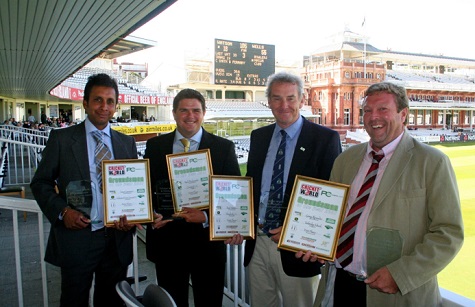


Karl receiving his award along with fellow recipients Simon Lawrence, Paul Tatton and George Alexander in 2007


I was proud to be a judge of the Cricket Groundsman of the Year, meeting so many dedicated practitioners, with the category winners having an invite to Lords’ to receive their awards. 


Other notable days out included a match day special at Northampton CCC when Paul Marshall was HG. I was able to see the attention to detail in the work that goes into preparing a pitch for an evening floodlit game of cricket. We were blessed with a fine sunny day, a great game of cricket and a superb sunset to finish the day’s play.



Gordon Gill, Bath CC 


As for characters and dedicated grounds practitioners of the game, I think of Gordon Gill at Bath CC, along with the likes of Martin Deans, Lincolnshire CCC advisor; Ian Smith, St Albans School; Paul Tatton; Rodney Heyhoe; and Simon Tremlin. All have produced and promoted the game of cricket for many years.



Left, Professor Bill Adams 


As for educating groundsmen, it is important I mention the late professor Bill Adams who I had the chance to meet on several occasions. Bill and coauthor Richard Gibbs, were responsible for writing one of the first decent practical soil science books, Natural Turf for Sport and Amenity (Science & Practice). A game changer for cricket groundsmen.  


Bill had also invented the Adams and Stewart soil binding test (ASSB) - or Motty test as it is commonly known. A sure way of measuring soil strength, it enabled cricket ground staff to identify what type of clay loam they have in terms of clay content. 



Bill’s book was a revelation for me in terms of aiding me get my Master of Science Degree at Cranfield University in 2003. It was there I met two other influential scientists who have in recent years helped many cricket clubs have a better understanding of how to manage their cricket pitches in terms of soil aeration, maintenance and rolling programmes.  



L-R: Geoff Webb CEO GMA and Alex Vickers


Alex Vickers and Iain James were both lecturers during my time at Cranfield and have since gone on to work in our industry as pitch consultants. Alex now works for the GMA, while Iain is working for the ECB. 



Chris Woods 


Another icon of the game of cricket is Chris Woods who, over many years, contributed lots of new initiatives devoted to improving the education and knowledge of cricket groundsmanship while working for the ECB. Chris recently retired with Andy Mackay taking on his role.



Tim Packwood monitoring his flooded cricket pitches 


For me, one of the most difficult grounds to manage must be Worcester CCC. For those who have worked there, the experience of dealing with regular floods must be mind boggling. Most floods happen during the winter months and can occur as late has February / early-March, depending on the rainfall and the capacity of the River Severn.

 
I have seen the flooding myself and spoken to Tim Packwood the HG at the time to discuss how he copes with it. This flooding was quite disruptive and was several feet deep. The team have developed a particular set of skills to aid the cleaning up of the debris as the water resides, using drag matts to stop the residues capping the playing surface. Luckily for Tim, he and his team are now experts in dealing with the regular floods they get at Worcester CCC. 
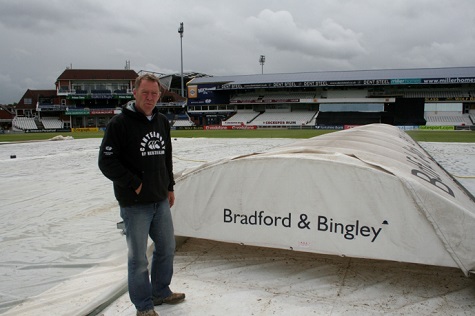


Andy Fogarty waiting for the rain to abate 


Another stalwart of the game is Andy Fogarty, HG at Headingly. I had the pleasure of doing a match day special with him and his team. As always, an extremely long day with the worry of rain being forecast. Andy has just retired after 30 plus years working for Yorkshire CCC but still goes in and helps Richard Robinson the new HG at the club. 
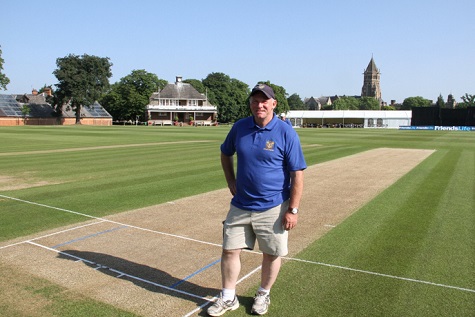


James Mead


Another dedicated Cricket Groundsman is my good friend James Mead, recently retired estates manager at Rugby School. Both he and I started our working careers together as parks apprentices with Birmingham City Council back in 1972. James has held several key managers jobs during his career. After leaving the council he went on to manage King Edward School, then Millfield School and finished his career doing 17 years at Rugby School, where he oversaw all the cricket facilities, improving the pitches so much that Warwickshire were keen to regularly use the first team square for county matches. 
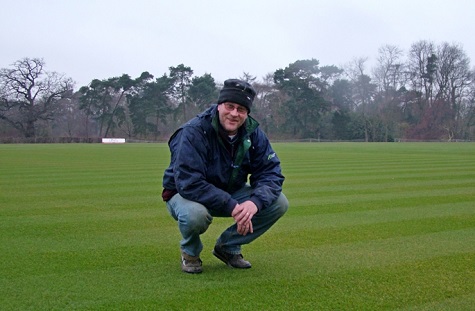


Andrew Clarke, Shenley CC 


As for unsung heroes, I have met many who have dedicated their life to the game of cricket. Geoff Calcot was a Warwickshire pitch advisor. Sadly he passed away some years ago but I had many a day out with Geoff talking cricket. There’s also Bob Stretton, Andy Clarke and Adrian Shelly who have spent the best parts of their lives dedicated to producing cricket pitches. 


However, I do have some worries where the game is going. Like most sports today, fielding several adult teams has diminished in recent years and club loyalty does not seem the same in terms of players staying on and helping once their playing days are over? 


However, due to the success of the UK National Lottery, the game has undeniably seen a dramatic rise in funding opportunities.


In recent seasons we have seen a greater demand for other formats of cricket to be played which has increased the number of people taking up the game. Women’s cricket is becoming very popular and being driven by the ECB. 


These demands are bringing extra pressure to clubs, having to facilitate all these extra games and fixtures.  

 
It is a trend affecting most club sports. For me the provision of a safe and consistent cricket pitch is vitally important, in terms of attracting and developing good players.


I mentioned earlier that it usually takes in excess of 1200 man hours to manage and maintain a 12 strip cricket facility over the course of the playing season. If you were to equate that to a cost of £20 per hour it gives you £24,000 worth of labour. Add to that the cost of materials, fuels and servicing of mowers, you are probably looking at a cost in excess of £35,000.  


One feels it would cost a cricket club about £35,000 to attract a decent, experienced turf professional. On top of that the additional costs of materials, machinery, etc – and the reality of maintaining a small cricket club is likely to cost the club an investment of around £50.000 to maintain its green infrastructure. 
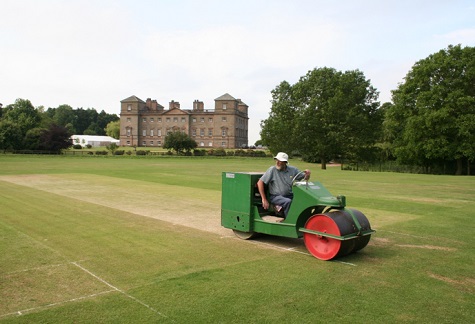


The other major concern for me is that many clubs rely on goodwill and volunteers to undertake the maintenance of the grounds, with ever more pressure and increased workloads being put on these guys. 


We are now starting to see a shortage of these dedicated volunteers. with many getting on in life and the younger players not interested in doing this work. I can see in a few years, clubs struggling to find someone to do this work – meaning eventually they will have to pay for it!


As we all know, not many clubs have that sort of money or are able to generate these sorts of figures.I feel it is the time for clubs to raise their membership and playing fees to accommodate the actual costs of running these exceptional cricket facilities.


You can read:


Part one of Cricket Through The Decades here.

 

Part one of my 50 years of football here


And part two of 50 years of football here.