Now into May, we should start to see some consistently warmer weather, specifically in terms of soil and air temperatures. Last month (April 2026) the UK was notably warmer and drier than average for many areas, especially across southern and eastern England, though conditions varied through the month.
The first half of the month brought a spell of unseasonably warm weather, with temperatures rising well above average. Some spots reached into the mid 20s°C, which is exceptional for early April - among the warmest starts to that month in recent years.
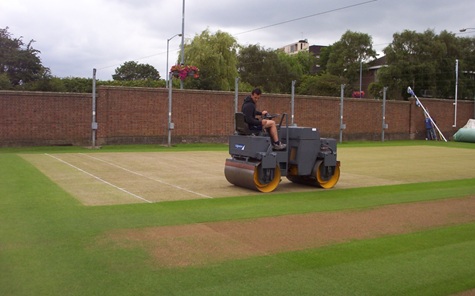
However, by mid-April conditions turned more unsettled and by late April, a blocking high pressure system became dominant over or just north of the UK. This created largely dry, bright, and settled weather for most regions. Rainfall totals in southern and eastern England ended up very low - some counties saw less than 20% of average April rainfall.
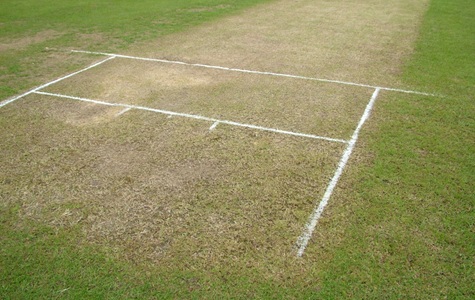
The picture I am building up is that, now we are coming into May, many areas of the country are unseasonable dry. Sports grounds are having to resort to watering / irrigating their pitches much earlier in the growing season than normal.
This spell of dry weather could affect many sports pitch renovations that are underway or planned. Those with irrigation will be ok but many local authorities and some clubs do not have watering facilities and are essentially in the lap of the gods.
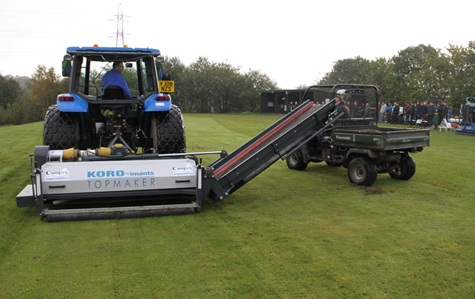
Plenty of local authorities have in recent years given up on the renovation their pitches, largely due to cost, but one of the other reasons has been due to the fact they are not able to water their pitches.
I personally think that water is going to become a much-needed commodity in the coming years. Water stress is likely to become a more material constraint for UK grassroots sports clubs, but it won’t show up as a simple ‘no water’ problem everywhere. Instead, expect a mix of drought pressure, usage restrictions, rising costs, and competing priorities for water.
Water resources are likely to become scarcer as UK climate projections show more extreme weather variability, such as hotter, drier summers and more intense rainfall events.
Organisations like Waterwise already focus on reducing consumption because UK water stress is expected to rise in the coming decades.
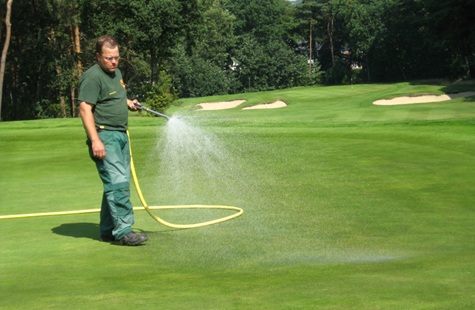
What this means operationally for clubs, is that water will become a cost + compliance issue, with the need for metering, tariffs or abstraction licences. Hosepipe bans or usage limits may affect pitch maintenance regimes.
We will need to plan and prepare a strategy of water management in the form of efficient watering, rainwater harvesting, grey water recycling storage ponds and attenuation features.
Borehole extraction licences are another way to secure a water resource. You generally pay for a survey, cost of drilling a borehole and then an annual fee depending on the amount of water you require. Total realistic cost picture (for a grassroots club).
For a typical UK sports club installing a borehole the costs could be something like:
Year 0 (setup)
- Licence application: £200 – £1,500+
- Surveys & studies: £1k – £10k
- Borehole drilling + kit: £10k – £30k+ (industry typical)
Ongoing (annual)
- Licence: £100 – £1,000+
- Electricity + maintenance: £500 – £2,000
- Testing/compliance: £200 – £1,000
You will not require a licence if you only need to draw 20 m³/day (20,000 litres/day).
Many small clubs can stay under this threshold, so the only cost would be the cost of survey and drilling a borehole.
Cricket pitch preparation
Speaking of watering, I am sure that many cricket clubs at the moment are spending a lot of time watering their pitches to help with their ten day preparation of a new wicket.
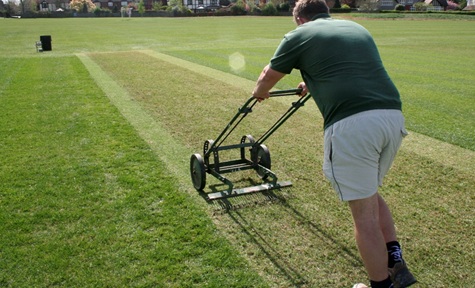
Preparing a cricket wicket in the UK requires careful planning, considering the weather and soil conditions. The general rule of thumb for preparing a decent pitch is centred around a 10-day preparation plan.
At county level it is more likely to be centred around a 14-day preparation as they need spend more time and effort on producing county standard pitches.
The following 10-day preparations are only a guide to the core operations to be undertaken to produce a pitch for play. Local conditions, manpower and resources will dictate what can be achieved. Each turf professional may have their own interpretations on what needs to be done during this preparation window.
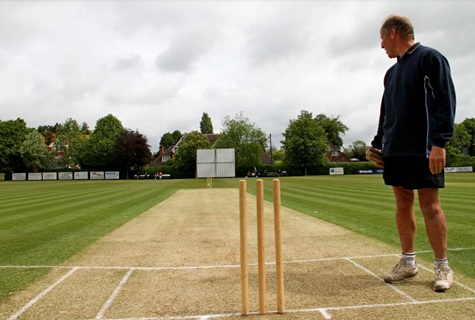
Also, the weather may dictate what can be achieved or the shear pressure of fixtures may restrict what you can do in the time you have between matches.
Some clubs do not have access to covers and sheets and are at the mercy of the elements so pitch preparations will be dictated by what can be achieved during favourable weather fronts.
Day 1-2: Initial Preparation
- Mowing: Cut the wicket to 10-12mm to remove excess grass.
- Scarifying (optional): Lightly scarify the surface to remove thatch and encourage dry conditions.
- Rolling: Use a heavy roller (500-1000kg) in dry conditions to start firming up the pitch. Roll 30 minutes
- Watering: soak or apply light watering if the wicket is too dry, ensuring even moisture distribution and if required cover with flat sheet.
Day 3-5: Consolidation
- Mowing: Reduce height to 8mm
- Rolling: Increase rolling intensity, using the roller in multiple directions (morning and afternoon if conditions allow). Roll 30 minutes
- Brushing: Brush off loose debris and grass cuttings.
- Watering (if needed): Only add light water if the wicket is excessively dry - avoid overwatering
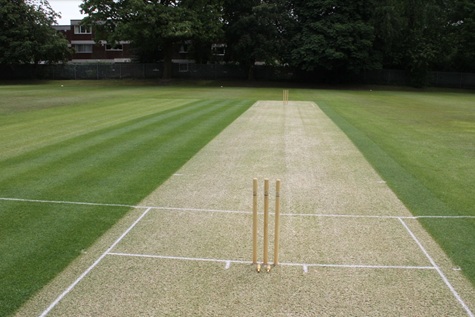
Day 6-8: Refining the Surface
- Mowing: Cut the pitch to 6-7mm.
- Rolling: Continue rolling to harden the surface further. Roll 15 minutes
- Scarifying (optional): Lightly scarify the surface to remove thatch and encourage dry conditions.
- Marking out the pitch: Lightly mark crease positions.
- Drying: If rain is forecast, use covers but allow airflow to prevent sweating.
Day 9: Final Preparation
- Mowing: Reduce grass to 5mm.
- Final Roll: Use a heavy roller for a long session in the morning.
- Brushing: Remove any loose material.
Watering: Only if required, but typically avoid at this stage.
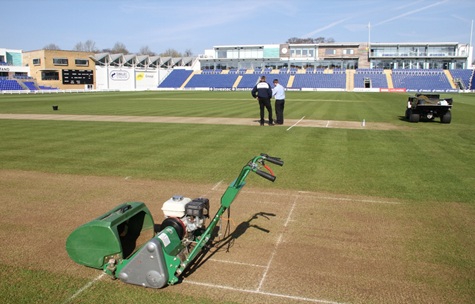
Day 10 (Match Day)
- Mowing: Final cut at 4-5mm.
- Marking: Paint the creases clearly.
- Final Light Roll: Use the roller just before play if conditions allow.
- Pitch Assessment: Ensure even bounce and firmness, removing any excess debris.
- Weather Considerations: Adapt rolling and watering based on rain forecasts.
- Grass Type: If it's a green seamer, leave a slight covering of grass; for a turning pitch, remove more grass.
- Cover Management: Keep covers handy to protect against rain but remove them early to allow natural drying.
- As for the outfield maintenance, it is a case of mowing the outfield at least once week or if you have the time twice a week to improve density and smoothness.
- Aeration and an application of fertiliser of the outfield would be helpful to increase porosity and initiate some grass growth.