Attending a recent robotic mowing seminar held at the Beau Desert GC in Cannock organised by dealership Buxtons, gave me the opportunity to catch up with several midlands-based golf course managers.
It was an interesting day for me, hearing their thoughts on the development of robotic technologies and whether they will look at utilising these new technologies to help maintain their courses in the future.
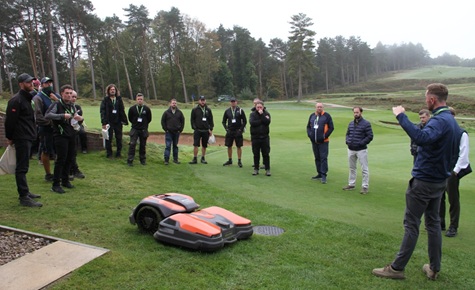
From speaking to turf professionals at recent trade shows, these robotic solutions are becoming increasingly popular, especially since their reliability, cutting qualities and performance continues to improve.
It had been a while since I had the opportunity to talk to a gathering of greenkeepers, and as always, I took the opportunity to ask them if any of them would be keen for me to come and visit their golf course.
I manged to peg down three who have invited me to visit them in the coming months - Ian Beech, Newcastle under Lyme GC; Simon White, The Chase; and Luke from the Beau Desert GC .
So, without delay my first visit was organised to meet Ian Beech at Newcastle Under Lyme GC on the 13th October and conduct a course walk, whilst having a chat about his role and maintenance regimes.
Newcastle-under-Lyme GC
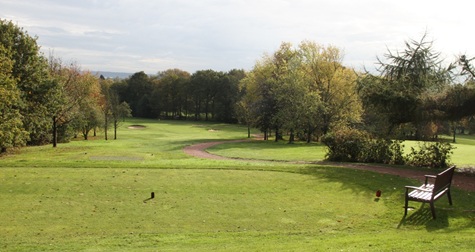
Newcastle-under-Lyme Golf Club, established in 1908, is a classic English parkland course nestled in Staffordshire. Originally a 9-hole layout, it was expanded to 18 holes by the 1960s. The course is known for its mature, tree-lined and undulating fairways, with challenging par 3s that demand precision. While not a household name on the international golf circuit, it is considered one of the finest clubs in North Staffordshire.
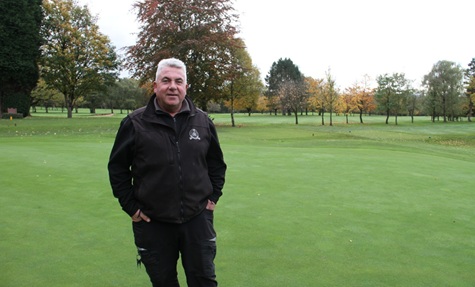
Ian Beech, the club’s course manager, is one of their longest serving staff members having started his greenkeeping career there in 1980.
He started working at the golf club on one of the government’s youth training schemes. Being a keen golfer and enjoying working outdoors, he soon realised that greenkeepers didn’t just cut grass.
The club encouraged him to attend Reaseheath College, which took him three years to gain his City and Guilds Level 2 & 3 in turf management. That was the foundation of his career. However over the course of the next forty plus years, Ian has undertaken many courses and regularly attends BIGGA events and their annual BTME show in Harrogate.
The club is open all year round and currently has six full time staff, including Ian.
Having spent over 45 years at the club, he has been able to mentor and ensure his staff have the best training and opportunities to learn the diverse skill sets required to be a greenkeeper. His son Jake is a prime example of his endeavour to develop and retain staff.
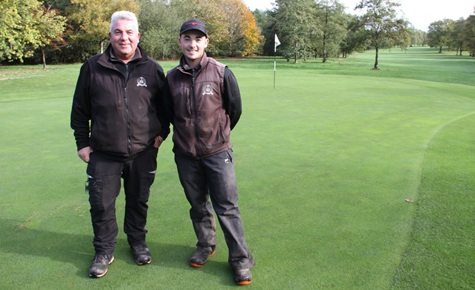
Jake was keen to learn the ropes. He went to college, got his Level 2 in greenkeeping and is currently doing his Level 3 at Myerscough College. He also took up a work placement at the JCB Golf and Country Club. He learnt a lot while at the JCB resort and recognised the pressures of the job can be very different when working with a larger team of people.
Although Jake was offered a position at the JCB facility, he felt he would learn more skills while continuing to work alongside his father and the tightknit group of four other members of staff at the club. They are centred around building a good team spirit and a healthy work ethic. He is pleased that the club have continued to support him and his colleagues with continued educational pathways, whilst maintaining a nurturing working environment.
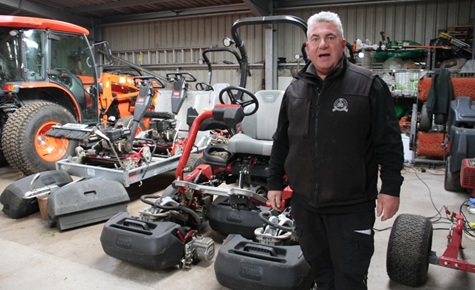
Over the years, the club have benefited from Ian’s expert guidance and recommendations investing in appropriate work facilities, including mess room, showers, tearoom storage sheds and a machinery workshop that makes working on the course more pleasant and rewarding.
In recent years the Directors of the club have held an annual 2-day strategy review. Ian has been instrumental in these sessions, offering his knowledge and experience to help steer the club towards its goals. The platform to engage has further strengthened communication between Ian and the Board benefiting both strategy and implementation.
Ian was one of the first course managers in the UK to get his hands on a Toro E Triflex 3370 Greenmaster mower. Over the years, the club have invested heavily with Toro machinery and have a fine fleet of mowers and vehicles to maintain the course.
Ian said this new battery powered mower offers many benefits including green energy, no hydraulic oil and no noise. Ian said, “At least I can enjoy my surroundings without ear defenders. It allows me to adjust reel speeds’ and turning speeds and is comfortable to operate. I believe that Toro have really upped their game. In my mind this is the best piece of equipment I have ever purchased for the club.”
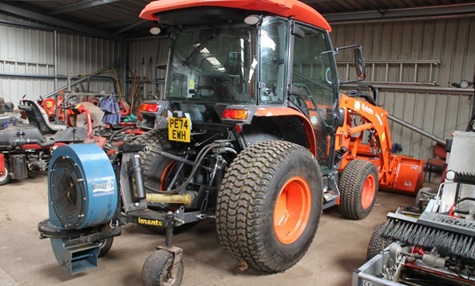
The club have also recently bought a new Kubota 66HP tractor with bucket. Other notable equipment in the shed was a AIRG2 aerator, a Toro procore, sand spreaders and several Toro Workman trucks. Only having six staff, like many golf courses, they rely heavily on having the right equipment and machinery - and for those to be efficient.
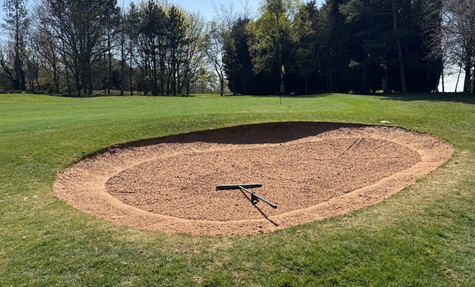
As for improvements, the club have over the last couple of years invested in improving bunkers with better drainage capacity and doing away with redundant bunker placements. Usually several are remodelled each winter.
Ian and his team are also currently installing new drainage pipes in and around parts of the course, whilst also making some tees bigger.
The club’s current irrigation system - some forty years old - has struggled to perform, especially this year. Pop-up heads are failing, it has many leaks and it is way past its sell by date. So, Ian is working with the club to find the finances to install a brand-new system that would meet their needs. A considerable investment of around £700K will be required, based on recent quotes.
However, with the way climate change is progressing, water is an essential resource that is required to grow and maintain grass playing surfaces.
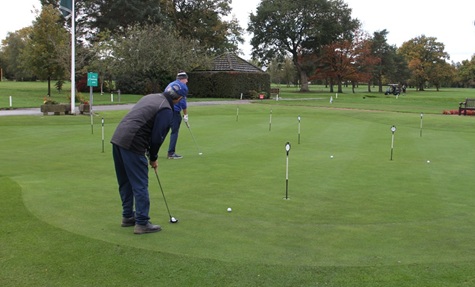
Ian has a great working relationship with their local dealer, Cheshire Turf Machinery, and the club tends to buy most machinery via a five-year financial plan. However, depending on needs, he often retains some equipment at the end of the agreement. Thus, he is building up some spare capacity and back up machines. The club do not employ a full-time mechanic, with most of the repairs and servicing generally down to Ian and Mike. However, all his staff have a responsibility to clean and ensure the equipment is fit for purpose.
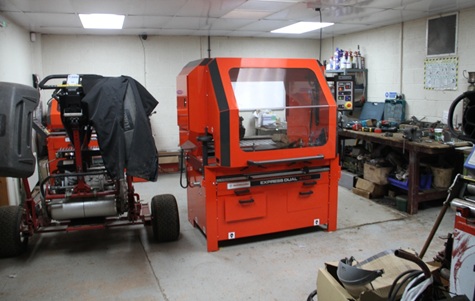
The club have their own Bernhards grinders for maintaining cutting cylinder and bottom blades. Ian was responsible for helping design the clubs’ new workshops, storage, mess room and office space. A well thought out building, it accommodates all the club’s needs. It is the heartbeat of the clubs’ facilities, offering an excellent working environment for the staff. Talking of staff, Ian has a well-balanced and experienced team, all of whom have been with the club for several years each.
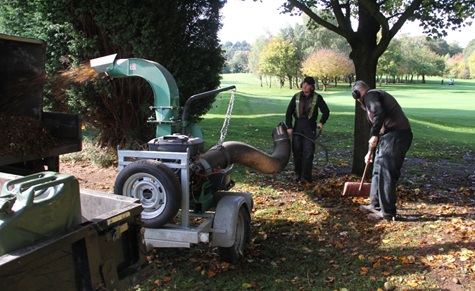
Ade (28 years), Mike (14 years), Jake, his son (6 years), Tom (6 years) and Charlie (3 years) - they are all multi-taskers. Sharing the main jobs between them.
As for employing any additional staff, that is something Ian would like to be considering in the coming years. “It would be great to build up the team to around nine members, confirmed Ian. “This would enable the team to increase the polish and improve the course further on many fronts.”
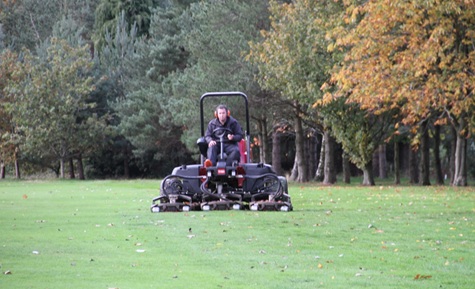
Ian is fully aware of the role the UK climate and weather fronts play in the management and maintenance of a golf course. He said this year has been challenging, starting with a cold, dry spring. Grass was slow to start growing, which was followed by a dry and hot period which lasted most of the growing season. Come late September, we had enough rain to help restore colour and rewet the dry ground conditions. “The seasons seem to be rolling into one as the climate changes,” Ian told me. “It shows an even greater need to invest in staff, training and equipment.”
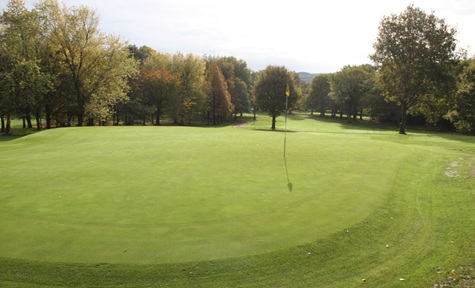
To help keep on top of the playing surfaces, every three weeks the club operates a maintenance day where they are closed until 10am. This allows work to be completed on greens, tees and approaches – including aeration, topdressing and verticutting. Works can be finished before the golfers get out onto the course. These maintenance days are fully appreciated by the members, as the benefits are clear to see.
Ian explained to me, “We topdress the greens with about 120 tonnes of sand per year; we have a regular aeration programme and our heights of cut for the greens are set at around 4mm during the summer months, droping down to 3.5mm for tournaments / competitions. We then set at around 5 to 6mm for the winter period. As for green speeds, we carry out stimpmeter readings every Friday and generally see them ranging between 8 – 10.5 depending on the time of year and condition of the greens."
He continued, “We use a number of wetting agents, limited fungicides and a balanced feeding programme to keep the greens in good health. Being pushed up soil greens, over the years we have improved the drainage and incorporated a lot of sand the Imants SandCat has helped us greatly to get better drainage rates. We do still have Temporary greens to help overcome inclement weather and periods of frost.
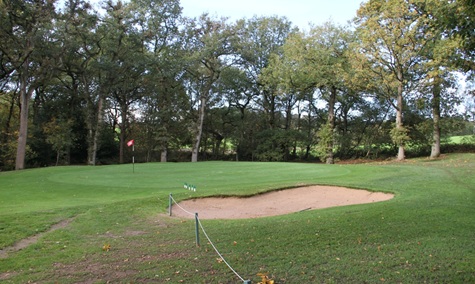
”As for tree management, we have tree surveys conducted every five years. Many of our older, more mature trees - particularly the oak trees - are covered with tree presentation orders.
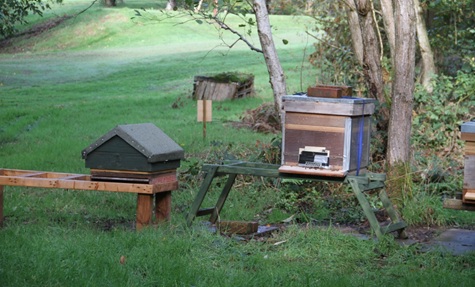
“Besides planting new stock, we are keen to encourage wildlife in that area. We have, over several years, installed a number of bat and owl boxes, plus bug hotels, around the course. We also currently have a club member installing and managing a number of bee hives.”
Without doubt Ian’s work ethic and management style has brought about a special working environment at the golf club, with the greens team being valued by the club members.
Also, Ian is keen to point out the importance of creating a good working environment with team members getting on with one another and feeling valued. Coming to work should be enjoyable and not a chore. This has been achieved by making the role of greenkeeping interesting and rewarding.
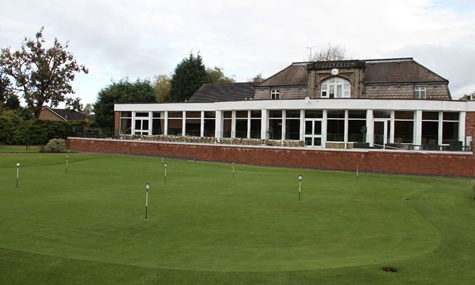
The greatest resource the club has is its staff. All staff at Newcastle attend BTME and are encouraged to develop their skills through attending courses and seminars. Work based training is vital if high standards are to be achieved.
My advice to anyone who is thinking about joining our industry is to keep asking questions and keep learning. It doesn’t matter if you make mistakes if you learn from them. I gained my qualification at Reaseheath College and was fortunate to be lectured by Denis Motram, a fantastic guy who encouraged me to do my best, to know the tools of our trade and to never stop learning.