For many parts of the country during the last couple of weeks of June (and seemingly set to continue into this week), we all have witnessed some of the hottest weather on record. Almost everyone struggled with the heat and the consequences that came with it.
We are so lucky that in this country our valuable green spaces provide a natural buffer and help keep our urban environment cool.
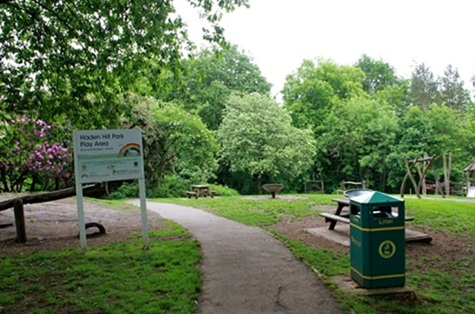
I read an interesting article from Parks For London. They said as London and the UK experienced record-breaking heat, attention turned to the cooling effects of parks and other green infrastructure. Overheating is more prominent in London and other cities due to climate change and the urban heat island, which can cause temperatures to be 10°C higher than in surrounding rural areas. With dense development, cities typically have more hard surfaces, such as roads and buildings, and less vegetation to absorb the sun’s rays. Vegetated spaces do more than just cool the actual space, they can lower the temperature in the surrounding area, known as the urban green space cooling effect. For example, research by Doick et al., found cooling of up to 4°C over a 440 m distance from a Central London park.
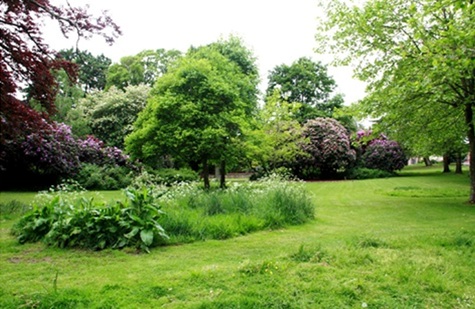
The article went on to say with density and policies calling for infill development, increasing the number of conventional parks is challenging. As such, complementing London’s network of green spaces with other green infrastructure, such as vegetated roofs, living walls and tree canopy, is even more critical to mitigating and adapting to increasing temperatures. Indeed, research conducted in Manchester by Skelhorn et al., concluded that adding 5% mature trees may reduce average surface temperatures by 1°C.
I myself have written several articles talking about the value of trees and green space. Trees play a crucial role in communities and offer a variety of values, both environmental and social.
- Trees absorb pollutants and release oxygen during photosynthesis, contributing to improved air quality.
- Trees store carbon dioxide, helping to mitigate climate change by reducing greenhouse gas levels.
- Trees provide shade and cool the air through a process called transpiration, helping to regulate temperatures in urban areas.
- Trees provide habitats for various species, contributing to biodiversity and supporting the local ecosystem. They offer food and shelter for birds, insects, and other wildlife, promoting a healthy and balanced ecosystem.
- Trees enhance the beauty of the community, providing a pleasing visual environment.
- Green spaces with trees create recreational areas for residents, promoting physical and mental well-being.
- Trees help prevent soil erosion and promote water absorption, reducing the risk of flooding and improving water quality.
Collectively our green spaces within cites are pivotal in reducing heat, especially during the recent hot, climatic conditions.
Also last year I wrote an article about COMBATTING SUMMER STRESSES where I spoke about how to maintain summer sports grass playing surface during periods of drought and hot weather.
Recently we all saw a rise in temperatures with the scales hovering around 32- 37C - making it one of the top three hottest June days on record. It was finally hotter than the previous record temperature of 35.6C recorded in 1976 some fifty years ago.
With Wimbledon in full swing, no doubt this spell of hot weather will have influenced how Neil Stubley and his staff have prepared the courts for this year’s event.
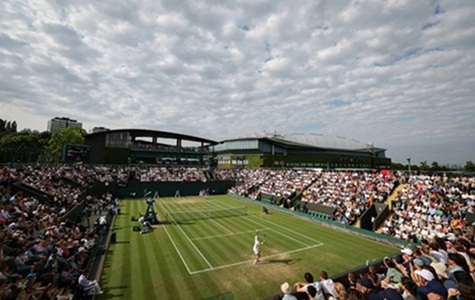
It’s clear that the recent hot weather will have significantly affected the maintenance of grass playing surfaces.
The combination of the hot sunny weather, and strong winds have increased evapotranspiration rates dramatically. Hot temperatures cause more water to evaporate from the soil and transpire from the leaves of the grass plant, increasing irrigation needs.
Prolonged high temperatures also stress out grass plants, making them more prone to disease, pests, and thinning. Heat and humidity also create ideal conditions for turf diseases like dollar spot, brown patch, or Pythium blight. Warmer weather accelerates insect life cycles, increasing pest damage (e.g., chafer grubs, and nematodes).
The effect that these conditions cause is known as evapotranspiration. This is the process where water is lost from plants and the soil – transferred from the land to the atmosphere.
Dealing with hydrophobic (water-repellent) soil conditions on sports playing surfaces in the UK can have serious consequences if not properly managed - both in terms of playability, player safety, and long-term turf health.
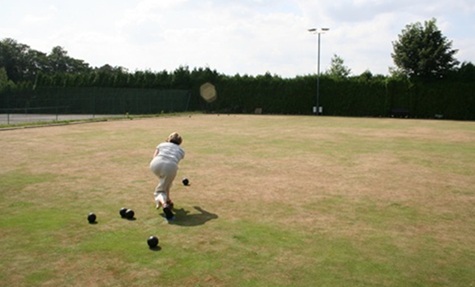
Hydrophobic soil repels water rather than absorbing it. This condition is often caused by drought conditions or prolonged dry weather (common in UK summers now due to climate change); organic matter breakdown leaving waxy residues and compaction; or surface sealing by foot traffic or machinery.
Hydrophobic soils affect water infiltration and drainage. Water runs off the surface instead of soaking in, leading to localised flooding or dry patches. This leads to inconsistent moisture levels, especially on pitches with uneven compaction. Over time hydrophobic conditions leads to the grass plant wilting, yellowing, or even death.
We must also consider that prolonged heatwaves and droughts can increase the likelihood of wildfires in green spaces; increase diseases and pests, such as the oak processionary moth; and weaken trees, making them susceptible to damage and potentially presenting a safety hazard, among other heat-induced challenges. In response, parks services, green space managers, landowners and others responsible for providing urban green spaces will have to adapt - at times very quickly - to the changing conditions, potentially in ways that contradict other green space-related policies and practices. For example, concerns about fire risk during prolonged hot, dry weather conditions may necessitate increased mowing frequency, which could influence biodiversity and management plans.
I believe it is finally time that we saw the true value of maintaining these vital green spaces. Not only do they provide recreational value, and are pivotal in providing habitats for wildlife, they are essential for our wellbeing, providing a buffer from pollutants, noise and filter air quality along with providing a cooling effect during hot weather events.