Last week we saw a rise in temperatures with the scales hovering around 32- 34C - making it one of the top three hottest June days on record. It is not expected to challenge the hottest day though of 35.6C set in 1976. However, these high temperatures meant that Wimbledon saw one of the hottest opening days on record.
It certainly been a testing time for Neil Stubley and his staff preparing the court for the Wimbledon fortnight - as described in a recent article I read in the Express.
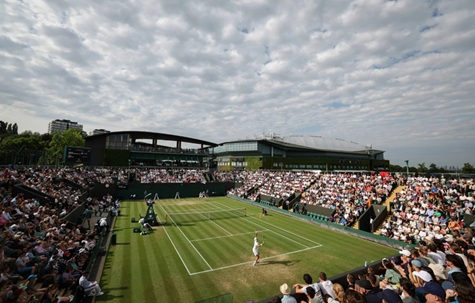
Neil tells the paper than due to the changing weather patterns, "Our maintenance regimes need to be quite flexible, and we fine-tune where we think we can get that 1% extra for the following year."
It will be interesting to see how the players cope during long matches in this extreme hot temperatures.
It’s clear that the recent hot weather has significantly affected the maintenance of grass playing surfaces.
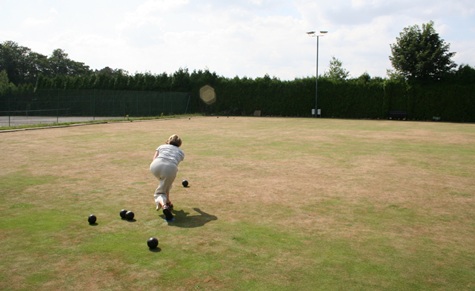
The combination of the hot sunny weather, and strong winds have increased evapotranspiration rates dramatically. Hot temperatures cause more water to evaporate from the soil and transpire from the leaves of the grass plant, increasing irrigation needs.
Prolonged high temperatures also stress out grass plants, making them more prone to disease, pests, and thinning. Heat and humidity also create ideal conditions for turf diseases like dollar spot, brown patch, or Pythium blight. Warmer weather accelerates insect life cycles, increasing pest damage (e.g., chafer grubs, and nematodes).
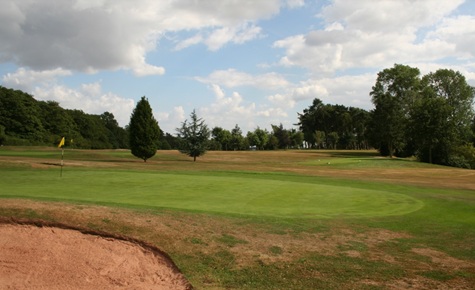
Lengthy spells of dry weather will also affect maintenance regimes and impinge on any end of season renovations being undertaken.
During hot spells like the current UK heatwave, turf professionals and greenkeepers adapt in several ways to protect turf health, personal safety, and operational quality.
Irrigation adjustments - Increasing watering frequency during early morning (4-7 am) to reduce evaporation loss and avoid afternoon watering that can scorch grass.
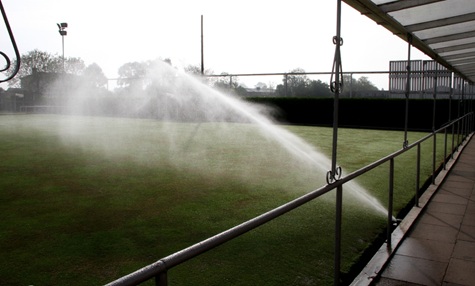
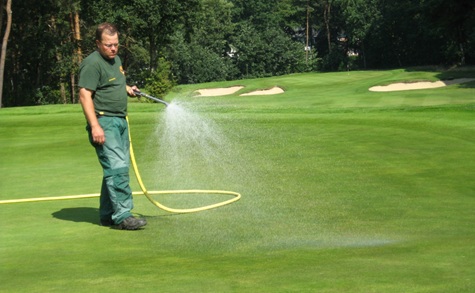
Hand-watering hot spots - Focused watering on areas prone to drying, especially high spots on sports pitches or tees and greens on golf courses.
Syringing – regular spraying of water onto grass surfaces to cool them down
Raising mower heights - Slightly increasing cutting heights to reduce turf stress and increase leaf area for photosynthesis and shade on the soil surface. Reducing mowing frequency – Allowing grass recovery and avoiding additional stress.
Wetters and surfactants - Applying soil wetting agents to help water penetrate hydrophobic dry patches.
Shade provision - Where feasible, providing temporary shade for vulnerable young turf areas. Also, the use of cricket covers to reduce evapotranspiration on cricket pitches
Earlier start times - Many grounds teams start at dawn to complete heavy work before midday heat peaks.
Working hours - Hydration protocols, ensuring all staff carry water, take shade breaks, and watch for signs of heat stress. Rescheduling strenuous tasks (like heavy turf renovation or sand topdressing) to cooler days or early mornings.
Protective clothing = Lightweight UV-protective clothing, hats, sunglasses, and high-factor sunscreen are standard during hot spells.
Health and safety focus - Monitoring themselves and colleagues for heat exhaustion or heat stroke symptoms.
This is a good read from a previous of TurfPro about managing turf during dry conditions by Alistair Higgs
I also wrote a article on the optimisation of water recourses which is also well worth taking a look at.
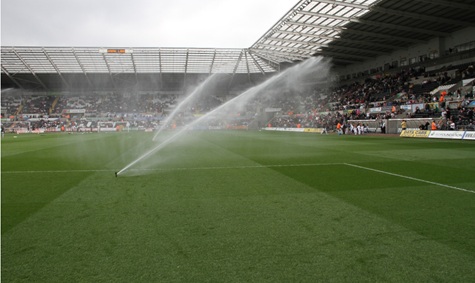
We now also see a wider range of irrigation systems available, from stand alone, self-travelling or boom sprinklers to computer controlled high-tech pop-up gear driven or jet sprinkler systems that are able to deliver precise amounts of water. Many of the top golf courses have what is called wall to wall irrigation systems designed to irrigate greens, tees, approaches and fairways, enabling the course manager to have full control of his watering requirements.
These systems do use a lot of water, albeit more effectively, so consideration needs to be given to the resource available. Is it mains, borehole, well, river or lake water? In most instances an abstraction licence will be required to obtain this water even though the source may be on club owned land. Irrigation constitutes a major user of water resources at times, and in places, when resources are often at their lowest, such as the summer. Incorrect use of irrigation can lead to a waste of water and, in turn, can cause other problems such as increased drainage water, often resulting in the leaching of nitrates into watercourses with the possibility of pollution.
In recent years the government have introduced a number of laws and regulations regarding the use of water resources. The Water Resources (EIA) Regulations 2003 dictates several issues regarding the use of water, of which the Environment Agency is the main governing body associated with policing the use of water in the UK - along with other agencies such as DEFRA (Department for Environment Food and Rural Affairs). These new laws and regulations will have a significant impact on the way we use and utilise water in the future.
Irrigation management and the optimisation of watering strategies are important to the proper maintenance of sports facilities. Insufficient moisture when soils reach a water deficit will result in a declining quality of sward, or even death. Legislation is going to force the industry to control and manage this scarce resource, therefore the understanding and implementation of an irrigation strategy is a must for all clubs and organisations.