EDITOR'S BLOG
BUSY TIME ON THE COURSE
Plenty for greenkeepers to be doing
by TurfPro Editor, Laurence Gale MSC, MBPR
 
Laurence Gale MSC, MBPR

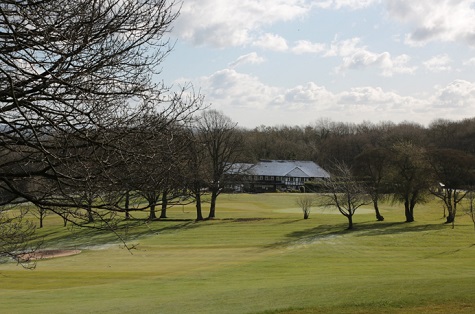
As an ex greenkeeper, I am acutely aware of the work that goes on during the winter months to keep a golf course open and playable. 


As an ex greenkeeper, I am acutely aware of the work that goes on during the winter months to keep a golf course open and playable. 


January and February are the most testing times for greenkeeping staff when the weather is likely to be at its worst. 


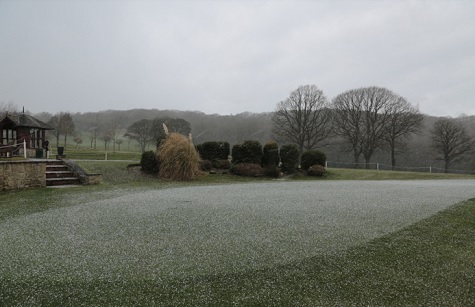
With so much wet weather about, many parkland golf courses can be difficult to manage during the winter months, especially those on heavy clay soils. My local club, Lilleshall GC, is on clay and the fairways tend to get saturated at this time of the year - especially the ones without any drainage. 


This often leads to issues of getting out onto the course to carry out winter and routine works. The recent spell of poor weather may have hindered or prevented the completion of some winter projects such as bunker, tees, greens and path construction works.


It is often just a case of waiting for the course to dry out naturally and being patient.


Once ground conditions improve and the course is accessible to vehicles again, it's back to finishing off winter construction projects, revamping tees, bunkers or cleaning out ditches or ponds. It generally starts to become a rush to complete these works before the onslaught of spring renovations that are only a few weeks away.


Many clubs often ban or restrict the use of golf buggies and trolleys while ground conditions are poor or restrict them to designated paths to reduce unwanted wear and tear.


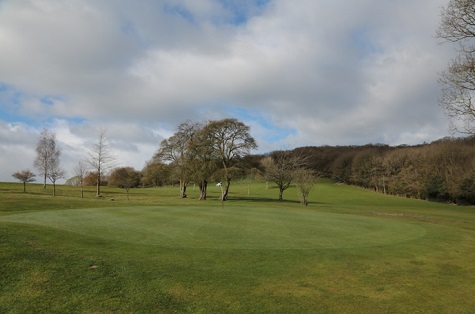
The use of artificial winter tee mats can also help control wear and damage on tees. Many golf courses try to maintain play on their greens all the year round, however this is not always possible. The opportunity to have a temporary green or enlarged apron area can often be taken to accommodate play during inclement weather.


In February, greenkeepers in the UK will be focusing on winter maintenance and early preparation for the upcoming spring season. Some of their key tasks will include:


Course Maintenance & Preparation

  • Aeration - Continuing aeration of greens, tees, and fairways to relieve compaction and improve drainage.
  • Top dressing - Light top dressing of greens to improve surface smoothness and firmness.
  • Rolling greens - Instead of cutting too frequently, rolling helps maintain a smooth surface while reducing stress on the grass.
  • Bunker maintenance - Checking drainage, edging, and topping up sand levels.
  • Turf repairs - Repairing damaged or high-traffic areas by overseeding or turf replacement.

Drainage & irrigation :-Ensuring ditches, drains, and gullies are free from debris to prevent flooding. February is a good time to check your irrigation systems are working and not suffered any frost damage or leaking. 


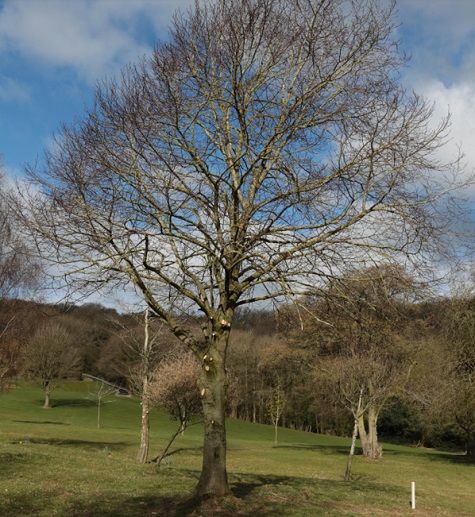
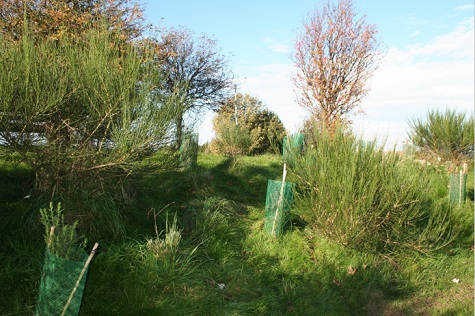
Tree & vegetation management:-Any planned or ongoing tree planting and woodland work needs to be completed before the end of March to align with environmental regulations, particularly those protecting nesting birds and promoting healthy tree management. 


Some of the work involved will be pruning and crown lifting branches that could interfere with play or maintenance. Thinning and selective clearing as well as removing weaker trees to improve airflow, light penetration, and turf quality will take place. As will clearing hazardous deadwood from trees, especially around high-traffic areas.


Undergrowth and bramble clearance is also important, as well as controlling invasive species and maintaining sightlines for players.


Any tree works must be undertaken by qualified, trained personnel. If your staff are not suitably qualified in tree surgery and/or operating chainsaw machinery, you must employ specialist contractors to carry out these works. It is often best to complete tree and woodland works before the trees and woodland begin to flourish with growth at the end of February/early March.


High winds can often cause structure and tree damage. It is imperative to inspect, record and make the site safe. Any structure or tree debris that has fallen and can be considered a hazard must be fenced off or removed in the interests of public safety.


February still gives you some time to carry out repairs and maintenance to fence lines, seating and other structures around the course. You may get some favourable weather for painting and repairing these structures.


Late winter and early spring are good times for planting to allow roots to establish before summer.


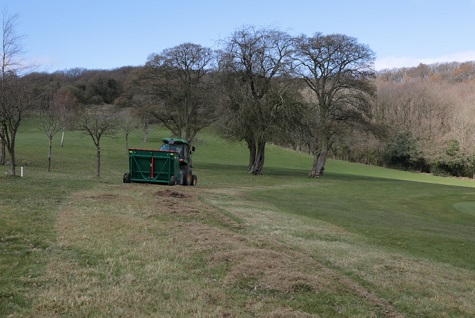
The removal of leaf litter and debris from tees, approaches and greens will continue daily, it will be important to keep an eye out for diseases and pests, with worms and moles becoming active as the soils warm up. There will be a need to keep fairways brushed to disperse any worm casts.  


As for machinery and equipment, hopefully you should be finishing off any servicing and repairs to your machinery fleet, so that they ready for the start of the new mowing season which generally gets underway in March. 


Finally, you should be checking you have ordered and programmed in your spring renovation works. That usually take place when weather permits, and soil and air temperatures are peeking into double figures, usually during late March/ early April.


This work centres around some light scarification / verti-cutting to clean the base of the grass plant out. applying a light top dressing and overseeding of tees, greens and maybe approaches and then applying a dose of fertiliser to encourage some new spring growth.


Also, if you have the budgets and/or time, some mechanical brushing and overseeding of the fairways will pay dividends.


All the above works are additional to the daily routine of keeping the course playable, changing holes, raking bunkers etc. 


For me wintertime is a challenging period for course managers and their staff. Let’s hope the players respect and value what their greenkeeping staff bring to the golf club and they appreciate the benefits of all this winter work.


NEWS
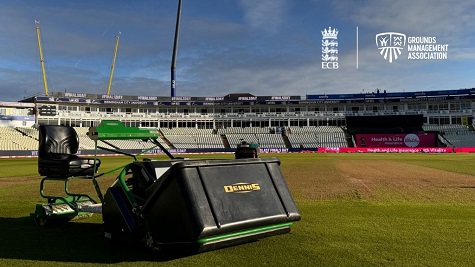
CRICKET APPRENTICE SUPPORT SCHEME LAUNCHED
ECB say they are excited by new partnership
 
New pilot initiative launched

In our first WEB ONLY story the pilot initiative is designed to strengthen the future of cricket by attracting and supporting more aspiring grounds professionals.


AWARDS SEASONS BEGINS
Entries opening
 
The 2024 winners: Jack Vowell of Farrington Park in Somerset and Daniel Parker of Knighton Heath in Dorset.

In our next WEB ONLY story find out how greenkeeping students can be in with the chance to unlock what organisers describe as 'life changing opportunities'.


MANUFACTURER SUPPORTING GRASSROOTS WOMEN'S FOOTBALL
Kit sponsorship
 
Watcombe Wanderers

To be able to support an up-and-coming grassroots team is something to be proud of says company.


Seventeen months ago, a new under-14 girls' football team was started in South Devon for girls' who were unhappy at their current clubs. Fast forward a season and a half, and Watcombe Wanderers have won promotion in their first season and now have two teams whose kits are proudly sponsored by Iseki UK and Ireland.


In September 2023, team manager Martin Campbell, a fully licenced coach, was approached to start the team, and during the recruitment process, he received a message from Iseki vehicle sales manager Phil Catley about his daughter, Maddie.


After starting the season late due to not having enough players, Maddie and the other girls quickly formed a formidable team, eventually finishing second on the last day of the season to claim promotion to Division Two.


With the football side of the team performing beyond expectations, Martin wanted to build the team's identity with new kits and hoodies before they started their second season. To do this, he sent a message to the parents, and Phil replied.


"They were playing like footballers, so we wanted them to look like footballers," Martin said. "It can seem like a small thing, but before I joined the ambulance service I was in the service industry for 25 years in sales. Every time you put on a new suit, you feel like someone; you feel like something, and that's what I wanted for the girls with their own kit.


"Like any grassroots club, we rely on volunteers and parents to drive the club, and when it came to kit sponsorship, we asked the parents, and Phil came forward and said I might be able to help.


"Like anything, people come forward with good intentions, but we all sat here thinking, 'Why is a big national company going to be interested in a little backstreet girls' football team on the outskirts of Newton Abbott.'


"But the response from Iseki was positive, and they sponsored two kits and hoodies for the girls, and I have to say they look outstanding. 


"We are currently placed second in the second division and are chasing promotion to the first division, which will be a massive achievement for a new team to go from third division to first division in two years.”


Alan Prickett, sales director of Iseki UK & Ireland, added, “Women’s football is enjoying massive growth these days, so to be able to support an up-and-coming grassroots team is something to be very proud of especially with the amount of work we do with the GMA’s Pitch Advisory Service in advising on the supply of machinery to local sports clubs."

BUXTONS TEAM-UP WITH T H WHITE MACHINERY IMPORTS
Expanding product access across Midlands
 
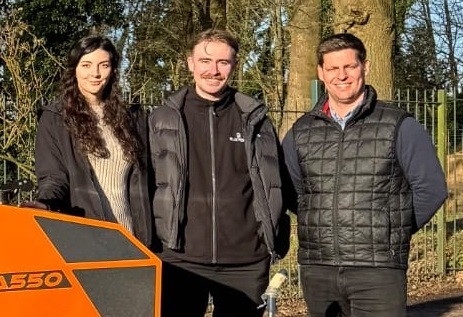
Kelly Burgess, Ellis Adderley and Jamie Jagger

Kelly Burgess says the dealership is looking forward to building strong relationships with new and existing customers through this new partnership.


T H White Machinery Imports has announced a new dealership partnership with Buxtons.


L-R: Kelly Burgess, sales director and Ellis Adderley, commercial sales of Buxtons with Jamie Jagger sales and dealer support, T H White Machinery Imports


The new collaboration will expand access to Jensen woodchippers, providing sales and support to customers throughout the Midlands region.


Jamie Jagger, Jensen sales and dealer support at T H White Machinery Imports, said of Buxtons, "Their dedication to customer service and deep industry knowledge make them an ideal partner. Together, we will ensure that customers receive the highest level of support and access to top-quality equipment.”


Kelly Burgess, sales director of Buxtons, said, “The Jensen range perfectly complements our existing portfolio of high-quality equipment, enabling us to provide robust and efficient solutions to meet the needs of forestry and arboriculture professionals in the Midlands. We look forward to building strong relationships with new and existing customers through this exciting partnership.”


Nathan Jacobs, Jensen business manager at T H Whie Machinery Imports, added, “Buxtons is a fantastic addition to our dealer network, and we are thrilled to have them on board."

LAND-BASED INDUSTRY CAREERS TO BE PROMOTED
At Armed Forces community event
 
Land-based industry careers to be promoted

Recruitment, training and education for people working within all sectors of land-based engineering to be showcased.


IAgrE have announced that they will be supporting the Armed Forces National Transition Event to be held at Silverstone on 24 February 2025, where the organisation will be signing the armed forces covenant at an official signing ceremony.


There will also be a We Are Land-based exhibition stand provided by the Land-based Engineering Training and Education Committee (LE-TEC), where visitors can learn more about a career in the land-based industry. As part of the LE-TEC collaboration, IAgrE say they will be promoting recruitment, training and education for people working within all sectors of agricultural and land-based engineering.


In its 6th year the event brings together service leavers, veterans, reservists, spouses and partners and family members to aid successful, sustainable transition and networking opportunities, recognising, demonstrating and celebrating the value of the Armed Forces.


Using the backdrop of the Silverstone race track, the event gives people a way to find out about careers and roles across different industry sectors.


New for this year is an invitation for 16 to 18 year olds cadets to come along and hear about the opportunities open to them in the job market, apprenticeships and training.


IAgrE CEO Charlie Nicklin said, “This event provides a fantastic opportunity for service leavers to connect with employers, support services and government agencies to explore diverse career opportunities and network with 100’s from across industry and government.


"Land-based engineering can offer service leavers careers at all technical levels, whether it’s diagnosing and fixing faults on sophisticated tractors to keep customers running, through to designing and developing new generations of farm machinery with global manufacturers. There are so many transferable engineering skills from military equipment which can be applied to farm machinery.


“A career in land-based engineering is fast-moving, challenging and above all rewarding, knowing that you’re playing a part in feeding the nation” he added.

JOBS
ADVERTISE YOUR JOBS HERE
Amazing success rates!
 
Advertise your jobs on TurfPro Weekly Briefing

Advertise your recruitment needs on TurfPro Weekly Briefing and reach our targeted audience of recipients every week.

Contact Nikki Harrison for details - 01491 837117


PREVIOUS FEATURES
EDITOR'S BLOG ARCHIVE
Catch up with Laurence Gale's recent blogs
 
TurfPro editor, Laurence Gale

Want to catch up with one of editor Laurence Gale's blogs? Here is the place to do so.


TURFPRO FEATURE ARCHIVE
Find our previous features here
 
TurfPro Feature Archive

If you want to catch up with any of TurfPro's previous features, here is the place to do so.


50 YEARS OF FOOTBALL MANAGEMENT
Part two


50 YEARS OF FOOTBALL MANAGEMENT
Part one


57 YEARS & COUNTING!
My life in the industry


DEMONSTRATING AND APPLYING AN INTEGRATED APPROACH
New series of articles for 2025


IMPLEMENTING SUSTAINABLE PRACTICE
Examples from across the year


VINTAGE PUSH MOWER USE
Enthusiast maintains lawn the old fashioned way


SUSTAINABLE AMENITY MANAGEMENT
Principles and practises


PLACING URBAN GREEN SPACES AT THE HEART OF INFRASTRUCTURE
Midlands Parks Forum's annual conference


RAISING THE VOICE
At the Amenity Forum's annual conference


SUSTAINABLE PARKS
Parks For London case study


WHY GRASSROOTS RUGBY IS IN DECLINE
A steady drop off in participation.


SEEDS OF SUSTAINABILITY
Focus on a major supplier of grass seed and related products to the amenity sector


ON TEST
STIHL BGA 300 cordless leaf backpack blower


ON TEST
EGO Multi-tool


PUT THEM ON THE TOOLS!
Time for an attitude change


SUSTAINABILITY IN THE TRAINING SECTOR
Grasping the challenge of encouraging more sustainable practice


SUSTAINABILITY IN LOCAL AUTHORITIES
Lessons learnt and experiences


SKILL SETS NEED RECOGNITION
Turf professionals are underappreciated


GREATER RESPECT FOR GROUNDS STAFF MIGHT MAKE ALL THE DIFFERENCE
To the recruitment crisis


A COMPETITIVE SALARY
Why employers should advertise the salary when recruiting new staff


ON TEST
Makita XGT UV001G lawn scarifier


AN EXAMPLE OF SUSTAINABILITY IN MACHINERY SUPPLY
Focus on Kubota


MY PERSONAL GREENKEEPING PHILOSOPHY HAS NEVER CHANGED
I don't follow any set program


SUSTAINABILITY IN LANDSCAPING
A substantial element of amenity activity


IS IT TIME TO SAY NO TO 'NO MOW MAY'?
Any real benefits?


SUSTAINABILITY IN OUR PARKS & PUBLIC GREEN SPACES
Meeting the challenge


THE PATH TO WIMBLEDON
For groundstaff member, Conrad Cavil


ON TEST
EGO LBP8000E backpack blower


SUSTAINABILITY IN THE LAWN CARE SECTOR
A key consideration


BEEKEEPING IN COMMERCIAL ENVIRONMENTS
The current situation


SUSTAINABLE PRACTICE IN THE AMENITY SUPPLY SECTOR
Optimising land use through integrated solutions


SUSTAINABILITY IN THE GOLF SECTOR
Focus on BIGGA


THE SEARCH FOR SUSTAINABLE PRACTICE
Bringing together key points


DEVELOPING SUSTAINABLE SOLUTIONS FOR GOLF
R&A are supporting clubs


GETTING THE MOST OUT OF EVERY POUND OF BUDGET
A course manager's view


A NEWFOUND APPRECIATION FOR ALL VOLUNTEERS
Who look after grassroots pitches


SUSTAINABILITY & THE UK ACTION PLAN
For weed, pest and disease management


CONCERN FOR PARKS FOLLOWING COUNCIL BANKRUPTCIES
What does the future hold?


TAKING A GLOBAL LOOK AT SUSTAINABILITY
Is the rest of the world also driving towards sustainable practice?


RENOVATIONS, PLAY AND THANKS
On my mind this week


SUSTAINABILITY – IMPLICATIONS FOR TRAINING & EDUCATION
Set to play a crucial role going forward


TULIP TREE
Liriodendron tulipifera


LYDIA BROOM
Genista lydia


THE LAWN AND ITS VALUE
Changing attitudes


GIANT HOGWEED
Invasive and potentially harmful


LIFE-CYCLE ANALYSIS & SUSTAINABILITY
Considering every stage of the journey


NITROGEN USE EFFICIENCY
The most important nutrient


BERBERIS THUNBERGII
A shrub that has stood the test of time


ENSURING FUTURE PROSPERITY
Advice imparted at road shows


INNOVATION & SUSTAINABILITY
A key focus


PHOTINA RED ROBIN
A sensational flowering shrub


VALUING THE GRASSROOTS
We must not overlook those who maintain these grounds


MANAGING WEEDS SUSTAINABLY
In amenity spaces


DETECTING NUTRIENT DEFICIENCY SYMPTOMS
In turf plants


SPRING RENOVATIONS UNDERWAY
A crucial period


SUSTAINABILITY IN SUPPLY
A focus on those who supply essential inputs to our sector


CHANGING CLIMATE
Is a borehole the key for clubs?


SUSTAINABILITY AT THE SHARP END
How to put into practice when budgets are tight?


ANOTHER NAIL IN THE COFFIN OF GRASSROOTS RUGBY
Clubs are struggling


SUSTAINABILITY IN PRACTICE
Seeking transparent and robust supply chains is essential


TIME FOR ACTION
To reverse recruitment crisis


CONTROLLING COSTS
Planning is crucial


THE SEARCH FOR SUSTAINABILITY
What exactly does the term mean?


CARING FOR THE GRASSROOTS
From volunteers to contractors


DEFRA IS LETTING DOWN THE COUNTRY
Complete failure to address the plastic grass debate


WE CAN ALL DO MORE
To aid biodiversity


MY LIFE IN GREENKEEPING
With Bruce Cruickshank


LEVELLING UP, GETTING SMARTER & GETTING AHEAD
Parks require so much more funding


SWITCHED ON FOR HARD WORK
Putting trimmers through their paces


MACHINERY HIGHLIGHTS
At this year's show


MY SALTEX
Daniel Lewis​, Manchester City Football Club


AWASH WITH LEARNING OPPORTUNITIES
Two months till showtime


LOOKING BACK, LOOKING FORWARD
Priorities for the amenity sector


THE DECLINE OF ‘PARKITECTURE’
A symptom of the state of parks in 2022


DEVELOPERS SHIRKING GREEN SPACE RESPONSIBILITIES
Lack of financial commitment


TIME TO COME TOGETHER
For the good of the industry


THE DEATH OF GRASS ROOTS CRICKET
Gathering apace?


ROUTES INTO THE INDUSTRY MUST BE ENSURED
Q&A with David Fisher, Lantra’s head of industry partnerships


STRONG VIEWS ON CRICKET PITCH PERFORMANCE MARKING
A bone of contention


A PREMIUM PRODUCT
Delivered at Naas Golf Club


THE GREEN REVOLUTION
And Esker Hills


MAKING A CHANGE
Laytown and Bettystown Golf Links


A DAY AT THE RACES
Naas Race Course


WORKING TOGETHER AS ONE VOICE
How the industry needs to proceed


OVER 175 YEARS OF EDUCATION
Wesley College


ELECTRIC EXCITEMENT
Dennis's Ian Howard talks electrification


THE HOME OF CORK GAA
Páirc Uí Chaoimh


LONG POLE BATTERY HEDGE TRIMMERS TESTED
STIHL HLA 66 and HLA 86


OVER 800 YEARS OF HISTORY
Johnstown Castle and Gardens


A CLUB GONE WILD
Kilkenny Golf Club


A GOLF COURSE IN THE GARDEN OF IRELAND
Woodenbridge GC


80 YEARS YOUNG
Charleville Golf Club


AN UPLIFTING EXPERIENCE
Bunclody Golf & Fishing Club


GETTING BACK TOGETHER
Albeit gradually . .


GO WEST
Inishturk GAA pitch – one of the most westerly sportspitches in Europe


WORKING ON A TIGHT BUDGET
Nenagh Golf Club


ON A MISSION
Wrekin Golf Club aiming to enrich wildlife and fauna


WILD AND WONDERFUL
Design By Nature


LEARNING HOW TO SURVIVE
Abbey Par 3


TACKLING OBESITY
Vital that schools can provide sport


A LIFETIME OF LEARNING
Vital for turf professionals


CELEBRATING 125 YEARS
Tullamore Golf Club


UNIVERSITY CHALLENGES
At Trinity College Dublin


BLENDING THE OLD WITH THE NEW
Bray Golf Club


A WELL POLISHED COURSE!
Ierne Social And Sports Club


IDENTIFYING THE TRUE VALUES
Of grounds maintenance


THE INDUSTRY WILL CHANGE & ADAPT
But it will survive


WIRRAL GOLF COURSES SAVED
Renewed hope and optimism for the future


GREEN SPACE CONTRIBUTION TO WELLBEING IS UNDERVALUED
Parks invisible on national agenda


A SHINING LIGHT IN IRELAND'S SUNNY SOUTHEAST
Wexford Golf Club


GREEN SPACES DO NOT LOOK AFTER THEMSELVES!
Keith Kent says we must invest in people


WE SHOULD TELL THE WORLD ABOUT THE UK INDUSTRY
Right time for all sides to come together


SOIL LIFE IS PRECIOUS
Good-quality soil can help save the planet


MORE THAN JUST CUTTING GRASS
Encouraging the next generation


A BUZZ FROM DOING THE JOB
Wide experience of the turf grass industry


PAYING THEIR WAY
Low wages is the bane of the industry


AMENITY MANAGEMENT IMPACTS US ALL
Professor John Moverley


CARING FOR PARKS OF ALL TYPES
Mary Worrall


TOP FIVE FRUSTRATIONS FOR CRICKET GROUNDSMEN
What causes you the most frustration in your role?


PROFESSIONALS AT THE CUTTING EDGE
Vic Demain and Phil Sharples


BOWLS CLUBS IN PERIL
A sad decline


A VERY SPECIAL INDUSTRY
Loz looks back


SNEAK PEAK AT A ROBOTIC "GAME CHANGER"
Commercial model capable of covering 50,000 m2 teased


HALESOWEN PICK A BIG ROBOT UP FRONT
Invest in mowers


COMPRESSED AERATION
The new way


PARKS MATTER MORE THAN EVER
Recent sector developments


ON TEST
STIHL blowers


THREE CORE VALUES TO SHAPE OUR INDUSTRY
Real concerns for the future


ENGLAND'S GREEN SPACE GAP
A split along racial lines


ON TEST
EGO STX3800 strimmer with RTX2300 Rotocut head


A SECTOR FACING IMPORTANT TIMES
Review of the National Action Plan


PARKS MATTER
The role of public parks in the recovery: a discussion paper


A UNIQUE SPORTING VENUE
Wormsley private estate


A BTME OUTDOORS?
A good bet for the industry


PARKS NEED APPROPRIATE POLITICAL REPRESENTATION
Q&A with Philippa Reece, Parks and Foreshore Manager at Adur and Worthing Council


CRICKET LOAM
What does it mean?


A HERCULEAN EFFORT TO GET PARKS BACK TO NORMAL
Q&A with Chris Worman, Rugby Borough Council’s parks and ground manager


ON TEST
STIHL battery products


TURFGRASS STRESS MANAGEMENT
Reactive Oxygen Species (ROS) and antioxidants during biotic and abiotic stress in turfgrass plants


AUTUMN DISEASE MANAGEMENT
The coming months are going to prove very difficult


THE ABUSE OF PARKS . .
Is the abuse of society


WHY PARKS MATTER?
A statement from the Parks Management Forum to the Prime Minister


THE 21st CENTURY PARKS MANAGER
Innovative, creative and entrepreneurial


EAT, SLEEP, CUT, REPEAT!
Cricket under covid


TIME FOR A SINGLE SHOW?
Debate brought back into focus


A CHALLENGING TWO MONTHS
Running golf design projects from home


PRESSURE SITUATION
Cementing the reputation


A CLUB TO BE PROUD OF
10 years at the helm of Olton GC


GAME CHANGERS IN TURFCARE
The day the Lord's outfield reconstruction proved its worth


THE ESSENCE OF ESSENTIAL
Finding a sensible way forward on defining "essential maintenance"


THAT WAS THE YEAR THAT WAS
2001


HOW TO LOOK AFTER A GOLF COURSE WITH NO GOLFERS
Fundamental to the survival of almost all courses, if not of the game itself


RAIN STOPPED PLAY WOULD BE WELCOME
. . along with ‘lunch is being taken early’


PHYSICAL CONTROL OF TURFGRASS PESTS
An urgent problem


A DIVERSE & ENTERTAINING WEEK
Successful BTME 2020


INTEGRATED PEST CONTROL
Opportunity to embrace new methods


ENVILLE ON THE UP
Major investments taking place


GREEN FLAG AWARDS 2019
A great success


U.S PROFESSIONAL EQUIPMENT SHOW EXCELS
Buoyant GIE+EXPO


LEGACY OF THE SOLHEIM CUP
At Gleneagles


A DAY OUT WITH THE LADIES
Behind the scenes at the Solheim Cup


COVENTRY UNIVERSITY'S EDIBLE GARDEN SUCCESS
2006 - present


HAIL THE GRASS MASTERS!
Boorish media comments about pitch quality are wide of the mark


CONTRACTOR SEES MULTI-DISCIPLINE SUCCESS
360 Ground Care serving professional facilities


BUSY TIMES
Judging the Green Flag Awards


TAKING AN INTEGRATED APPROACH
What does it all mean in managing turf surfaces?


UNDER PRESSURE
Dry weather conditions continue to keep turf managers focused on moisture management


EDDIE SEAWARD
Death of Wimbledon’s influential grounds manager


MAJOR NEW IRRIGATION PROJECT
At Top 100 classic Berkhamsted Golf Club


NEW HORIZONS FOR THE HATTERS
Investment paying off at Kenilworth Road


ELIZABETHAN RESTORATION
At Castle Bromwich Hall Gardens


WHAT IS BIOPHILIA?
The vital impact of parks and green spaces on health and well-being


WORM CONTROL
Without carbendazim


THE TRUE COST OF PETROL
Battery-powered outdoor power tools are now turning the heads of professionals


SANDS OF TIME
Sand-based pitches are now the norm in professional sports


WHY DO WE DO THE RIGHT THING?
We must maintain industry standards


CHASING GRASS PERFECTION?
11 things you need to know . . .


MAINTAINING STANDARDS
Q&A with BASIS ceo, Stephen Jacobs


STRI RESEARCH DAY 2018
Hosted at research trial grounds in Bingley


THE MECHANIC
Leicester City FC invest in new role


LORD'S 'GRASS-GUVNOR' TO RETIRE
Mick Hunt bows out after 49 years


HOLLOW CORING & DEEP SCARIFICATION
Is it really necessary?

Side Advert Image


PARTNERS
CAMPEY
 
Campey Turf Care Systems
DENNIS
 
Dennis
Foley
 
Foley Company
HUNTER GRINDERS
 
Hunter Grinders
ISEKI UK & IRELAND
 
Iseki
Kubota
 
Kubota
LANTRA
 
LANTRA
SISIS
 
Sisis
Syn-Pro
 
Syn-Pro
MAJOR
 
Major
Garden trader
 
Garden Trader
PRODUCED BY THE AD PLAIN
The Ad Plain
 
TAP
SUSTAINABILITY FOCUS
A LOOK AT THE OPTIONS
When implementing an integrated approach


A review of the various tools we might draw upon to create the most appropriate integrated approach in any given situation.


In addressing the need for sustainable practice, core to any actions is taking an integrated approach but what does that mean? Just as with the term sustainability, it is important to understand what is meant by an integrated approach and importantly what is not. 


Firstly, we should review the various tools we might draw upon to create the most appropriate integrated approach in any given situation.


For any particular weed management plan, the right combination of techniques and approaches is important. In other words, the options discussed are not either or but part of an integrated approach. 


For weed management, these have been divided into the following categories:

  1. Manual & brushing
  2. Thermal
  3. Electricity
  4. Chemical Methods not including plant protection products
  5. Plant Protection Products

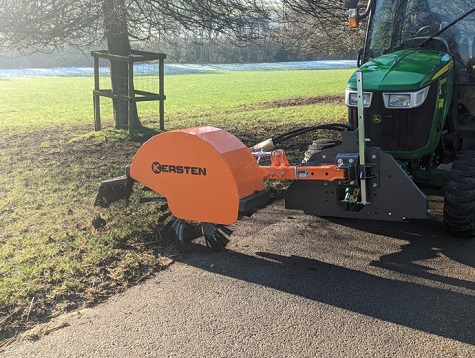
Mechanical brush courtesy of Kersten 


This article addresses the first three in some detail.


Manual & Brushing


Manual operations


Pulling, cutting, and otherwise damaging plants, may be used to control some weeds, particularly if the population is relatively small. However, it is generally labour and time intensive. Treatments must typically be administered several times to prevent the weed from re-establishing and in the process, workers and machines may severely trample vegetation and disturb soil, providing prime conditions for re-establishment of the same or other weeds. 


Pulling or uprooting plants can be effective against some shrubs, tree saplings, and herbaceous and floating weeds. Annuals and tap-rooted plants are particularly susceptible to control by hand-pulling. It is not as effective against many perennial weeds with deep underground stems and roots that are often left behind to re-sprout.


Mowing, brush cutting and strimming


Mowing and cutting can reduce seed production and restrict weed growth, especially in annuals cut before they flower and set seed. Some species, however, re-sprout vigorously when cut, replacing one or a few stems with many that can quickly flower and set seed. It is important to consider the biology of the weed before cutting. If mowed earlier, native species are negatively impacted.


Mechanical brush courtesy of Kersten 


Powered sweeping machines and weed brushes


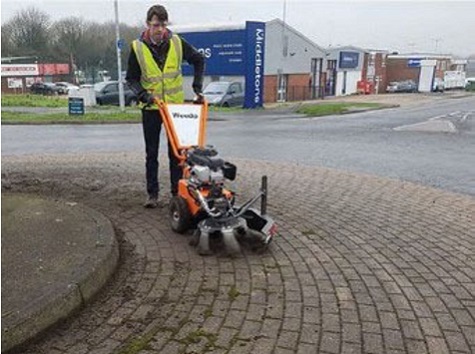
Brushing plays a very important part in weed control of highways, pedestrian walkways, car parks, parks and gardens as part of an integrated management approach.  Modern powered sweepers are highly sophisticated and can operate on a variety of hard and delicate surfaces. Weed brushes can only work on hard surfaces and may damage delicate or soft surfaces. They remove detritus from the surface, depriving weeds of the required growing medium, damage the leaf, reducing ability to photosynthesise and in some situations, it can remove the whole weed plant including the root.


There are no potentially harmful residues left that may expose humans or wildlife to risk of danger although some harder brushes may create sparks on hard surfaces with some risk of causing fire. Any sweeping or brushing needs co-ordination with other methods used for weed control, such as the application of plant protection products. Also, effectiveness of the approach relies significantly upon the competence of the operator and the design of the surface. There is no doubt that an effectively managed sweeping regime can prevent weed growth and, in treating weeds, be a core element in an integrated approach.


Thermal methods of managing weeds


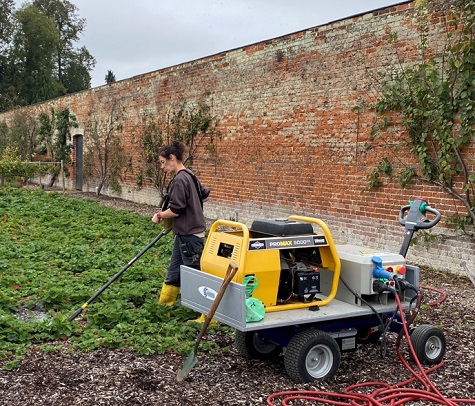
Application of hot water


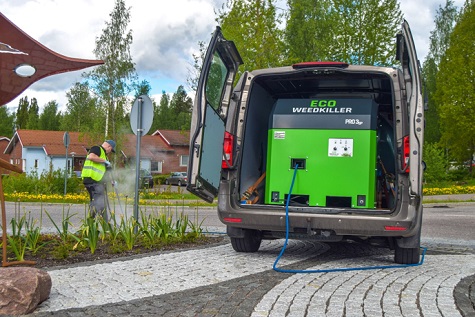
Temperatures of approximately 100°C are applied for the duration of a few seconds, resulting in intracellular water expansion and cell membrane rupture. Several biological and technical factors, including the weed type and their stage, soil properties, and energy consumption of the system, influence the practicability and sustainability of these thermal weed control options. Weeds are wilted to the root upon contact breaking down cellular structure of the plant, melting the cuticle of the leaf, preventing the plant from retaining moisture, thus dehydrating and then killing the plant. No legislation restricts the use of hot water as a method of weed control and no specialist clothing or hearing protection is required, although when operating a hot water machine, training is a requirement under the Provision and Use of Work Equipment Regulations (PUWER)


Photo courtesy of Kersten 


Hot water machines offering lower risk of non-target plant damage, can be utilised on all surfaces, but perform better on hard surfaces and can be seen as a more environmentally friendly method for managing weeds. However, there are carbon emission issues in their use of fuel to heat up water and power machines. The method can have a high carbon footprint when examined in a life cycle analysis and, with the need for more frequent use compared to other methods, the total costs need to be carefully examined.


Hot water is only effective on contact with weeds, if the hot water does not touch part of the weed it may survive. It does not always kill down to the roots, so will not necessarily eradicate the weed completely. Many hot water machines have long hoses and so by the time the hot water touches the weed it may have cooled and be less effective although design features continue to rapidly develop. Accessibility of areas such as alleyways can also restrict effectiveness. Repeat treatments will be necessary after regrowth; there is no residual effect.


Application of hot foam


These machines use hot water insulated by foam. It is the heat in the hot water that kills the weeds. Environmentally friendly foam, made from natural plant oils and sugars, acts as an insulation blanket over the top of the hot water ensuring the heat is not lost as quickly to the atmosphere. Heat from the hot water is “trapped” on the plant for longer, by the foam, thus giving more time for the heat to work on the weed. Heat penetrates the plant’s waxy outer layer of the leaf, travels down the stem, into the root system, effectively cooking the plant. Hot foam can also kill some surrounding seeds and spores to reduce future regeneration. No specialist clothing or hearing protection is required. Training is a requirement under PUWER.


Benefits include that they can be used in all weather conditions, on any surface, all year round. They are easy to use for operators and simple to get up and running and relatively safe for use around people, animals, delicate ecosystems and waterways. They do not damage the soil surface and can be ideal for sensitive environments. Limitations include different surfaces may require greater numbers of treatments dependent on pre-existing weed growth, with no residual effect. Hot foam requires capital investment in the hot foam generation machine although contractors can be used. More frequent control of weeds will be needed with re-growth of weeds after treatment. As with hot water, the method can have a high carbon footprint when examined in a life cycle analysis) with a need for more frequent use compared to other methods such as herbicides.


Weed Burner Equipment


Many weed burners consist of infrared radiation in combination with heated air. When plants are exposed to this combination, the proteins congeal and moisture cells burst open at about 70°C, then the plant wilts and subsequently dies. Weed burners diminish the likelihood of germination of seeds on the ground, thus reducing regrowth. Infrared radiation only penetrates the ground a short distance, and repeated treatments are needed to deplete the plant reserves in the root system reducing regrowth capability. No legislation restricts the use of weed burners and infrared radiation as a method of weed control, but training is a requirement under PUWER.


In terms of benefits, many weed burners are easy to operate as hand operated machines and can be used in the wet, thus are less dependent on weather. They provide Instant visual results and control most grass types, annual and biennial plants and young perennial weeds. As compared to flame throwers, they produce less risk of creating unwanted fires. Limitations can include being quick to work, but slow to apply, best at a slow walking pace and the level of carbon emissions from the machine used can be high. They are non-selective in control and will kill non-target species, therefore generally not suitable for spot treatments due to width of the weed burner. They only remove weeds on the surface with most of the root system surviving so frequent use is needed and they should not be used on particularly dry, flammable vegetation.


Electricity


Photo courtesy of Kersten 


This involves use of hand lances to deliver an electric charge to the weed targeted. It uses natural resistance of weeds to convert electrical energy into heat, which then boils and so kills the weed from the inside out from the root upwards. Operator training is required under PUWER and for electrical safety. In terms of benefits, using electricity within the weed ensures all of the plant is treated from root to the tips of the leaves. Electricity can be used for all weed types, including tough invasive species. The process is localised to the plant in contact with the lance and does not damage surrounding plants or soil. Electricides treat deep into the roots making it suitable for treating any weed, including tough invasive species. It can claim environmental benefits – organic, no surfactants, no active ingredient chemicals, no additives, nor residues. Treated areas are safe to return to immediately after treatment. Fewer retreatments may be required than in thermal methods.


Limitations include that it cannot be safely used when raining and can prove unsafe on hard areas as a safety earth return spike is required in the ground. Caution is required when treating around conductive materials. Operation can be relatively slow as electrical current has to be applied to each weed plant


Conclusion


Technological advances are taking place all the time which may impact upon some of the comments in this article but hopefully it has sought to give a factual account of each method. Next month we will complete this review of options available before addressing the issue of drawing up an integrated plan for a specific situation involving deciding upon the correct approach to take both in prevention and control.