EDITOR'S BLOG
CHANGING THE MINDSET OF SPORTS CLUBS
To value turf professionals
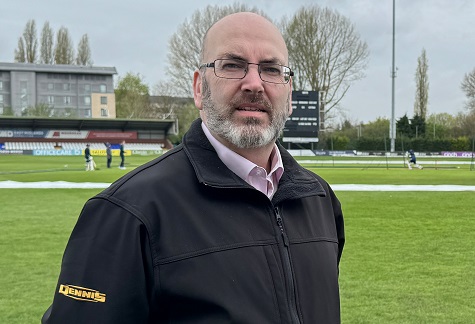
by TurfPro Editor, Laurence Gale MSC, MBPR
 
Laurence Gale MSC, MBPR

I attended a meeting last week where I and other industry people were focused on addressing challenges in the amenity sector - particularly recruitment, retention, and education.


March is a busy month for turf professionals with winter sports coming into the final weeks of play and planning for end of season renovations.


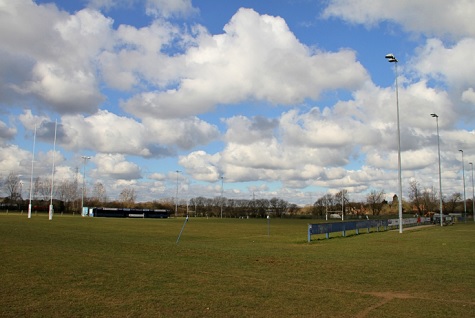
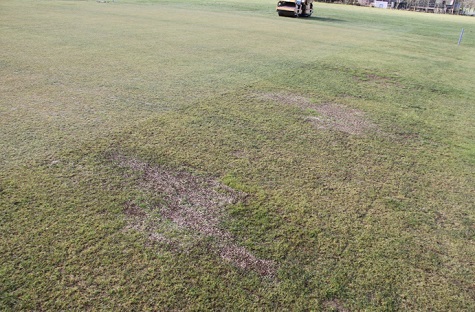
The rugby season is coming to a close with many grass roots pitches in need of a good make-over, which should involve some deep aeration, scarification , top dressing, overseeding and fertilising.


We also then have golf, bowls and cricket facilities becoming extremely busy preparing and conducting some timely spring renovations ready for their new playing seasons.


Air and soil temperatures were moving into double figures, however, the current weather front has suddenly gone cold again, bringing with it some frost and flurries of snow, on higher ground and up north. This mixed bag of weather will no doubt influence what can be done. 


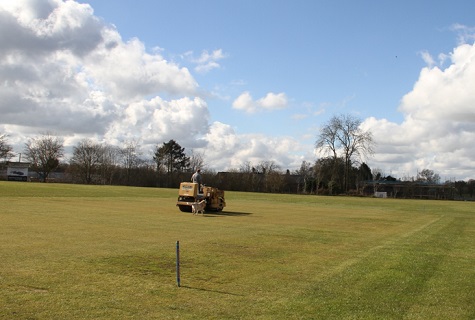
March is a terribly busy and challenging time for the cricket clubs trying to get their pitches ready for the new season, especially when the weather can put a spanner in the works. The month tends to be unpredictable with frosts, snow, rain and dry periods often experienced.


There is so much to be achieved with the onset of pre-season rolling, pitch preparations and general spring tidying up of the ground. 


The ability to get these jobs done relies heavily on the paid turf professionals and volunteers who take on the responsibilities of maintaining these facilities. 


To help them we now have a plethora of valuable information at hand through podcasts, websites and sports governing bodies providing information on how to look after cricket pitches. One such new site is TurfCare Blog run by Brain Sandalls.


Brian has over two decades of grounds and groundskeeping experience work ranging from golf to football, but is still very much learning daily. Brian works as a grounds manager (academy) at Sussex Cricket and as a County Pitch Advisor (cricket) and Support Pitch Advisor for the Sussex FA. In addition, he has won multiple awards for his work including grounds person of the year on five occasions. Brian has a huge passion for knowledge sharing and training and a big reason why he created TurfCareBlog


Brian has recently published some ebooks on cricket maintenance which are well worth a read.


A recent trip to visit a local cricket club shone light for me on the plight of grass roots cricket clubs who suddenly lose the services of their experienced groundsperson just before the start of a new season. 


Trying to find one is near on impossible. Especially when many clubs say they can only afford to pay the minimum wage for their services.


It is a subject that is becoming more and more significant in grass roots sports clubs. We are now not seeing anywhere enough new recruits wanting to become grounds practitioners. And the other problem is that clubs do not have the resources and income to pay what I would call the going rate for an experienced, qualified grounds professional. For me clubs need to be paying close on £30-35k for a full-time ground’s person. 


What makes the situation worse is many of these sports clubs are happy to pay players and coaches well to serve their clubs at the detriment of investing in the main asset the pitches.


Is it not time we finally find a way to educate and change the mindset of sports clubs and get them to see the real value and costs of maintaining sport pitches?


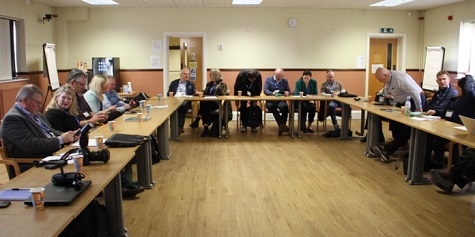
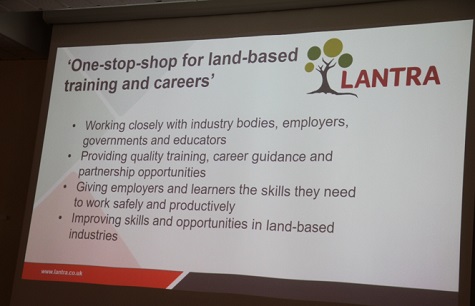
This subject leads me on to a meeting I attended last week at Lantra House, Stoneleigh Park, Warwickshire where I and twenty other industry people were focused on addressing challenges in the amenity sector - particularly recruitment, retention, and education. Key speakers included David Fisher & Susan O'Neill, Lantra; Professor John Moverley, Lantra Trustee; Olivia Callahan, GMA; and Jonathan Knowles, LCFC academy. After an introduction to the work being done and some research into providing better education needs by Lantra, we had an open debate regarding the needs of our industry.


John Bevan, GMA pitch advisor, highlighted the need for better collaboration among training providers and employers to improve apprenticeship delivery. Jonathan Knowles emphasised the importance of actionable plans to enhance education and training. The group discussed the fragmented nature of the industry and the need for coordinated efforts to attract and retain talent. Many spoke about the issues of recruitment and retention.


Ellie Parry from Grounds Training spoke passionately about all the good things that have being going on for many years in terms of training providers, colleges, manufacturers and services providers, however she felt like most in the room that we are still very much a fractured industry. In terms of working together for the good of the industry, she also mentioned that there had been numerous attempts to galvanise the knowledge within the industry, but unfortunately, we still seem to be working in our own silos. Other notable people attending the day were David Withers CEO of Iseki tractors/ chairman of the AEA and director of GMA; Paul Rabbits, Chairman of Parks Management Association; Allison Bate from the Midlands Parks Forum and Tom Arnold from the UK Lawn Association. 


For me personally, I have been saying for years we as an industry need to come together to achieve some key objectives that haven’t to date reached the outcomes they deserve. I am initially talking about pay and conditions and the recognition we should be getting as turf professionals. Recruitment of new blood into our industry will be paramount in the coming years. 


I, like most in the room, agreed that there needs to be a coming together of the industry to help promote the values and opportunities of our diverse industry. We now need to target school leavers and, more importantly, offer them a recognised national pathway to get into the industry. This would come in the form of a promotion campaign to inform them of the diverse careers that we offer across all spectrums of our industry. 


We then need to offer a choice of educational / apprentice / academy style programmes that sees them getting the appropriate working experiences and appropriate qualifications for them to be valued and secure their future working careers in this dynamic and diverse amenity industry.


The real challenge is how we can bring numerous organisations, commercial organisations and individuals together to really effect the change that's just not been possible over many years.  After the meeting I got the thoughts from some of the attendees 


Jonathan Knowles, head of Leicester City Football Club Sports Turf Academy  - “A really valuable session – looking at and starting to problem solve these perennial issues of recruitment, retention, reward and compensation for this important work in our environment.”


Martin Sampson, Lantra technical verifier - “A great opportunity to drive industry forward together.”


Bradley Tennant, director International Greenkeepers For Hire, “A positive event with good conversation, bringing together a large industry sector.”


Ellie Parry, director, Grounds Training -  "It was great to have a cross section of people from the grounds and amenity industry convene to discuss opportunities to develop and promote it, and some of the challenges it faces. There were some excellent discussions and lots of information shared, which is vital when there are many subsector groups doing great work in their specialist areas. Lantra is well placed to host this type of forum, and we were pleased to have an opportunity to contribute."


Professor John Moverley summed up the day saying he felt it was a very productive day. He said, “The outcome was an agreement to develop and implement an action plan as an integrated approach across all sub sectors and to seek full engagement of all involved. 


“There was also support for further research led by Lantra so we can get an accurate assessment of the challenge and to help in engagement with policy makers and key stakeholders especially around resourcing.”  


Its likely Lantra will be organising a follow up meeting and will aim to invite more organisations and industry stalwarts to attend what we would hope is finding a way to collaboratively work together to deliver the benefits of working in the amenity sector and raise the profile of our ever changing diverse and engaging industry.

NEWS
AWARDS KICK OFF #GROUNDSWEEK
Celebrating turf professionals
 
Awards have been presented

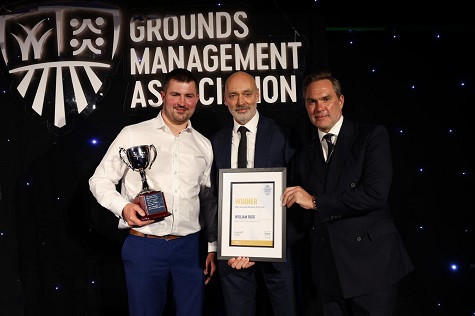
In our first WEB ONLY story the grounds management community came together at Anfield Stadium recently, celebrating the achievements of professionals across the sector.


NEW TURF CARE SHOW TAKES PLACE
Last week at Windsor Racecourse
 
The South Turf UK Show

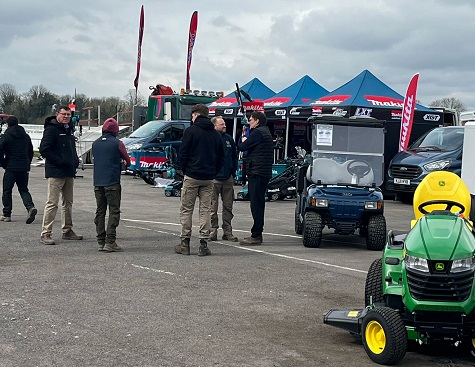
In our next WEB ONLY story a new show from the organisers of the Scots Turf show took place on Wednesday last week, with exhibitors reporting some good conversations.


ROGER MOORE RETIRES
From Howardson Group
 
Roger Moore

A familiar and respected figure within the company, Roger Moore has announced his retirement from the Howardson Group.


After 17 years of service, Roger Moore has announced his retirement from the Howardson Group.


Roger Moore


Roger has been a familiar and respected figure within the company. Having joined as a customer manager, his role evolved to encompass sales, marketing, and customer support, making him an integral part of the business. Over the years, he has built strong relationships with key industry organisations, including the GMA, BIGGA, SAPCA, EBA, SBA, WBA, CGBA, and numerous representatives from cricket, football, rugby, tennis, and croquet, as well as the press.


Alongside his colleagues, particularly Alison Pickering, Roger has played a leading role in organising and developing events in the UK and abroad, dealer days, press days, export dealer events, and the company’s brochures, websites, and overall marketing strategy.


The highly regarded seminar programmes for bowls, cricket, croquet, football, and rugby have been running for over 20 years, and Roger and his team have continuously refined and enhanced them. These programmes provide valuable insights from industry experts, supporting everyone from volunteers to professional turf managers.


When SISIS was acquired in early 2011, Roger was instrumental in developing a detailed 90-day integration plan to successfully merge Dennis and SISIS - a significant challenge that had never been undertaken before. The senior team fully backed his plan, and its success helped shape the company’s future.


The company says Roger’s meticulous attention to detail has been a defining trait throughout his career. His commitment to quality in every aspect of marketing - whether exhibition stands, advertisements, brochures, or digital content - has left a lasting impact. A prime example of his expertise was the 2022 Dennis Centenary Year celebration, which he and Alison planned with precision, ensuring the event ran seamlessly.


As a senior team member, Roger’s wisdom and experience have played a crucial role in the company’s growth, contributing to an almost ninefold increase in sales during his tenure.


Managing director Megan Oliver, Chairman Ian Howard, and everyone at Howardson Group extend their sincere gratitude to Roger for his dedication and contributions over the years and wish him all the best in his retirement.

TRIMAX AWARD DEALERS
At two-day training event
 
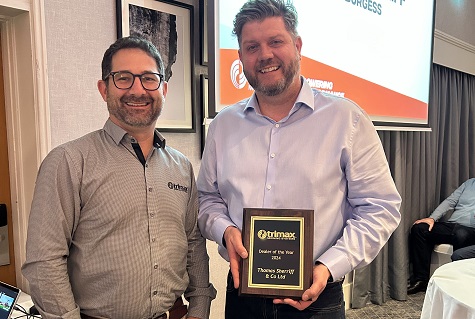
Michael Sievwright and Cameron Smith

Manufacturer recently hosted 78 sales reps from 20 dealerships at an immersive training experience, which also saw top-performing dealerships honoured.


Trimax recently hosted a dealer training event near its headquarters in Northampton.


The company described the two-day event as an immersive training experience, equipping sales representatives with product knowledge, marketing support, and key industry insights. The event saw 78 sales reps from 20 dealerships across the UK, France, Denmark, Scotland, Wales, and Ireland come together.


The event also saw the manufacturer's Dealer Awards Presentation, celebrating top-performing dealerships. The winners were:

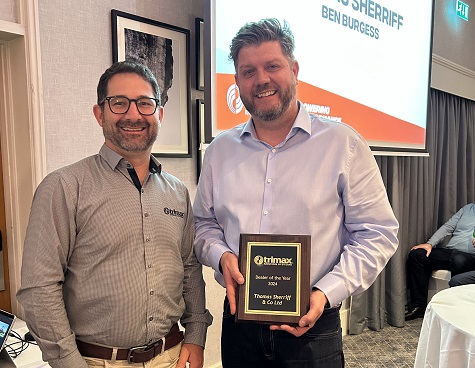
Michael Sievwright CEO of Trimax with Cameron Smith of Thomas Sherriff & Co Ltd


Cameron Smith of Thomas Sherriff & Co Ltd said, “This amazing event expanded my knowledge of Trimax machines and taught me that the end product is nothing but top quality. We were also honoured to have Michael Sievwright CEO of Trimax present us with the Trimax Dealer of the Year Award 2024.”


The training at the event featured outdoor stations, each showcasing different Trimax product categories. Each session allowed attendees to engage with the machinery, examine features up close, and participate in discussions led by the company's team members.


In addition to product training, a marketing session provided insights into Trimax’s dealer resources. Sales reps received an overview of essential tools, including the Dealer Resource Centre, Dealer App, and the upcoming Dealer Academy platform.


Day two of the event featured a factory tour of Trimax’s UK facility. 

In a statement following the event, the company said, "Trimax remains committed to supporting its dealer network with top-tier training and resources, ensuring they can provide customers with expert guidance, seamless buying experiences, and exceptional after-sales support. This year’s event reaffirmed that dedication, equipping dealers with the knowledge and tools they need to succeed in an evolving market.

"A huge congratulations to all award winners and a heartfelt thank you to every attendee for making the 2024 European Dealer Extravaganza an unforgettable success."

CORVUS APPOINT NEW DEALER
Family-run business
 
New Corvus dealer

Supplier says new dealer places great emphasis on essential after-sales support with their facilities and approach to customers.


Agricultural machinery specialist, KP Agri, has been appointed as a Corvus Off-Road Vehicle dealer by Boss ORV, the Corvus UK distributor.


L-R: Neil Everett, Boss ORV national sales manager, with KP Agri’s Paul and Kelly Benton


KP Agri is a family-run company based in South Wales. Started by Paul Benton in 2008 as a 29-year-old ‘man with a van’, following working for a local Claas dealer, the business grew quickly, and he took on premises with Kelly, his wife, and business partner. Alongside other strong franchises, KP Agri will be selling and supporting the Corvus range of off-road utility vehicles comprising the Corvus Terrain DX4 diesel models and the EX4 all-electric UTV. 


Boss ORV national sales manager, Neil Everett said of their new dealer, “They put a great deal of emphasis on not only the buying and selling of agricultural machinery but also the essential after-sales support with their excellent facilities and approach to customers.” 


Paul Benton added, “This is an exciting new franchise for us, and we’re thrilled to bring Europe’s leading UTV brand to our customers. We have a demo machine available and welcome customers to get in touch and experience the performance of Corvus UTV firsthand.”    

ETESIA EXTEND NETWORK
Family-run business appointed
 
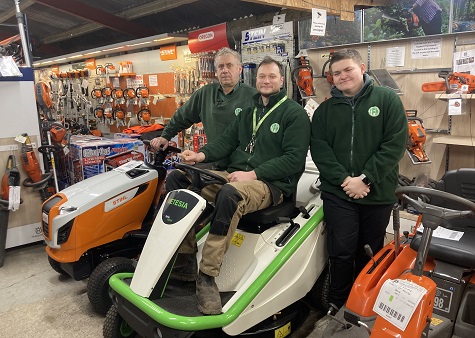
The new dealer team

Dealer thinks the new range will crossover between domestic and commercial customers.


Etesia UK has announced TFM Farm and Country Superstore as its newest dealer, bringing their range to the rural communities of Shropshire and beyond. 


TFM Farm and Country Superstore, a family-run business with a history of serving the rural workforce, is known for its vast range of agricultural, construction, and country living products.


Group buyer, Hayley Cole, said, “Where we are based, a lot of customers start with domestic ride-ons, but they often find they’re not up to the job when tackling larger gardens or paddocks. We needed something at a more commercial level, and Etesia was the perfect fit.


“I think there will be some crossover between domestic and commercial customers - those with land needing a more robust mower and councils requiring reliable machines."

JOBS
ADVERTISE YOUR JOBS HERE
Amazing success rates!
 
Advertise your jobs on TurfPro Weekly Briefing

Advertise your recruitment needs on TurfPro Weekly Briefing and reach our targeted audience of recipients every week.

Contact Nikki Harrison for details - 01491 837117


PREVIOUS FEATURES
EDITOR'S BLOG ARCHIVE
Catch up with Laurence Gale's recent blogs
 
TurfPro editor, Laurence Gale

Want to catch up with one of editor Laurence Gale's blogs? Here is the place to do so.


TURFPRO FEATURE ARCHIVE
Find our previous features here
 
TurfPro Feature Archive

If you want to catch up with any of TurfPro's previous features, here is the place to do so.


DEMONSTRATING AND APPLYING AN INTEGRATED APPROACH
Reviewing the tools available


CRICKET MANAGEMENT THROUGH THE DECADES
Part two


CRICKET MANAGEMENT THROUGH THE DECADES
Part one


A LOOK AT THE OPTIONS
When implementing an integrated approach


50 YEARS OF FOOTBALL MANAGEMENT
Part two


50 YEARS OF FOOTBALL MANAGEMENT
Part one


57 YEARS & COUNTING!
My life in the industry


DEMONSTRATING AND APPLYING AN INTEGRATED APPROACH
New series of articles for 2025


IMPLEMENTING SUSTAINABLE PRACTICE
Examples from across the year


VINTAGE PUSH MOWER USE
Enthusiast maintains lawn the old fashioned way


SUSTAINABLE AMENITY MANAGEMENT
Principles and practises


PLACING URBAN GREEN SPACES AT THE HEART OF INFRASTRUCTURE
Midlands Parks Forum's annual conference


RAISING THE VOICE
At the Amenity Forum's annual conference


SUSTAINABLE PARKS
Parks For London case study


WHY GRASSROOTS RUGBY IS IN DECLINE
A steady drop off in participation.


SEEDS OF SUSTAINABILITY
Focus on a major supplier of grass seed and related products to the amenity sector


ON TEST
STIHL BGA 300 cordless leaf backpack blower


ON TEST
EGO Multi-tool


PUT THEM ON THE TOOLS!
Time for an attitude change


SUSTAINABILITY IN THE TRAINING SECTOR
Grasping the challenge of encouraging more sustainable practice


SUSTAINABILITY IN LOCAL AUTHORITIES
Lessons learnt and experiences


SKILL SETS NEED RECOGNITION
Turf professionals are underappreciated


GREATER RESPECT FOR GROUNDS STAFF MIGHT MAKE ALL THE DIFFERENCE
To the recruitment crisis


A COMPETITIVE SALARY
Why employers should advertise the salary when recruiting new staff


ON TEST
Makita XGT UV001G lawn scarifier


AN EXAMPLE OF SUSTAINABILITY IN MACHINERY SUPPLY
Focus on Kubota


MY PERSONAL GREENKEEPING PHILOSOPHY HAS NEVER CHANGED
I don't follow any set program


SUSTAINABILITY IN LANDSCAPING
A substantial element of amenity activity


IS IT TIME TO SAY NO TO 'NO MOW MAY'?
Any real benefits?


SUSTAINABILITY IN OUR PARKS & PUBLIC GREEN SPACES
Meeting the challenge


THE PATH TO WIMBLEDON
For groundstaff member, Conrad Cavil


ON TEST
EGO LBP8000E backpack blower


SUSTAINABILITY IN THE LAWN CARE SECTOR
A key consideration


BEEKEEPING IN COMMERCIAL ENVIRONMENTS
The current situation


SUSTAINABLE PRACTICE IN THE AMENITY SUPPLY SECTOR
Optimising land use through integrated solutions


SUSTAINABILITY IN THE GOLF SECTOR
Focus on BIGGA


THE SEARCH FOR SUSTAINABLE PRACTICE
Bringing together key points


DEVELOPING SUSTAINABLE SOLUTIONS FOR GOLF
R&A are supporting clubs


GETTING THE MOST OUT OF EVERY POUND OF BUDGET
A course manager's view


A NEWFOUND APPRECIATION FOR ALL VOLUNTEERS
Who look after grassroots pitches


SUSTAINABILITY & THE UK ACTION PLAN
For weed, pest and disease management


CONCERN FOR PARKS FOLLOWING COUNCIL BANKRUPTCIES
What does the future hold?


TAKING A GLOBAL LOOK AT SUSTAINABILITY
Is the rest of the world also driving towards sustainable practice?


RENOVATIONS, PLAY AND THANKS
On my mind this week


SUSTAINABILITY – IMPLICATIONS FOR TRAINING & EDUCATION
Set to play a crucial role going forward


TULIP TREE
Liriodendron tulipifera


LYDIA BROOM
Genista lydia


THE LAWN AND ITS VALUE
Changing attitudes


GIANT HOGWEED
Invasive and potentially harmful


LIFE-CYCLE ANALYSIS & SUSTAINABILITY
Considering every stage of the journey


NITROGEN USE EFFICIENCY
The most important nutrient


BERBERIS THUNBERGII
A shrub that has stood the test of time


ENSURING FUTURE PROSPERITY
Advice imparted at road shows


INNOVATION & SUSTAINABILITY
A key focus


PHOTINA RED ROBIN
A sensational flowering shrub


VALUING THE GRASSROOTS
We must not overlook those who maintain these grounds


MANAGING WEEDS SUSTAINABLY
In amenity spaces


DETECTING NUTRIENT DEFICIENCY SYMPTOMS
In turf plants


SPRING RENOVATIONS UNDERWAY
A crucial period


SUSTAINABILITY IN SUPPLY
A focus on those who supply essential inputs to our sector


CHANGING CLIMATE
Is a borehole the key for clubs?


SUSTAINABILITY AT THE SHARP END
How to put into practice when budgets are tight?


ANOTHER NAIL IN THE COFFIN OF GRASSROOTS RUGBY
Clubs are struggling


SUSTAINABILITY IN PRACTICE
Seeking transparent and robust supply chains is essential


TIME FOR ACTION
To reverse recruitment crisis


CONTROLLING COSTS
Planning is crucial


THE SEARCH FOR SUSTAINABILITY
What exactly does the term mean?


CARING FOR THE GRASSROOTS
From volunteers to contractors


DEFRA IS LETTING DOWN THE COUNTRY
Complete failure to address the plastic grass debate


WE CAN ALL DO MORE
To aid biodiversity


MY LIFE IN GREENKEEPING
With Bruce Cruickshank


LEVELLING UP, GETTING SMARTER & GETTING AHEAD
Parks require so much more funding


SWITCHED ON FOR HARD WORK
Putting trimmers through their paces


MACHINERY HIGHLIGHTS
At this year's show


MY SALTEX
Daniel Lewis​, Manchester City Football Club


AWASH WITH LEARNING OPPORTUNITIES
Two months till showtime


LOOKING BACK, LOOKING FORWARD
Priorities for the amenity sector


THE DECLINE OF ‘PARKITECTURE’
A symptom of the state of parks in 2022


DEVELOPERS SHIRKING GREEN SPACE RESPONSIBILITIES
Lack of financial commitment


TIME TO COME TOGETHER
For the good of the industry


THE DEATH OF GRASS ROOTS CRICKET
Gathering apace?


ROUTES INTO THE INDUSTRY MUST BE ENSURED
Q&A with David Fisher, Lantra’s head of industry partnerships


STRONG VIEWS ON CRICKET PITCH PERFORMANCE MARKING
A bone of contention


A PREMIUM PRODUCT
Delivered at Naas Golf Club


THE GREEN REVOLUTION
And Esker Hills


MAKING A CHANGE
Laytown and Bettystown Golf Links


A DAY AT THE RACES
Naas Race Course


WORKING TOGETHER AS ONE VOICE
How the industry needs to proceed


OVER 175 YEARS OF EDUCATION
Wesley College


ELECTRIC EXCITEMENT
Dennis's Ian Howard talks electrification


THE HOME OF CORK GAA
Páirc Uí Chaoimh


LONG POLE BATTERY HEDGE TRIMMERS TESTED
STIHL HLA 66 and HLA 86


OVER 800 YEARS OF HISTORY
Johnstown Castle and Gardens


A CLUB GONE WILD
Kilkenny Golf Club


A GOLF COURSE IN THE GARDEN OF IRELAND
Woodenbridge GC


80 YEARS YOUNG
Charleville Golf Club


AN UPLIFTING EXPERIENCE
Bunclody Golf & Fishing Club


GETTING BACK TOGETHER
Albeit gradually . .


GO WEST
Inishturk GAA pitch – one of the most westerly sportspitches in Europe


WORKING ON A TIGHT BUDGET
Nenagh Golf Club


ON A MISSION
Wrekin Golf Club aiming to enrich wildlife and fauna


WILD AND WONDERFUL
Design By Nature


LEARNING HOW TO SURVIVE
Abbey Par 3


TACKLING OBESITY
Vital that schools can provide sport


A LIFETIME OF LEARNING
Vital for turf professionals


CELEBRATING 125 YEARS
Tullamore Golf Club


UNIVERSITY CHALLENGES
At Trinity College Dublin


BLENDING THE OLD WITH THE NEW
Bray Golf Club


A WELL POLISHED COURSE!
Ierne Social And Sports Club


IDENTIFYING THE TRUE VALUES
Of grounds maintenance


THE INDUSTRY WILL CHANGE & ADAPT
But it will survive


WIRRAL GOLF COURSES SAVED
Renewed hope and optimism for the future


GREEN SPACE CONTRIBUTION TO WELLBEING IS UNDERVALUED
Parks invisible on national agenda


A SHINING LIGHT IN IRELAND'S SUNNY SOUTHEAST
Wexford Golf Club


GREEN SPACES DO NOT LOOK AFTER THEMSELVES!
Keith Kent says we must invest in people


WE SHOULD TELL THE WORLD ABOUT THE UK INDUSTRY
Right time for all sides to come together


SOIL LIFE IS PRECIOUS
Good-quality soil can help save the planet


MORE THAN JUST CUTTING GRASS
Encouraging the next generation


A BUZZ FROM DOING THE JOB
Wide experience of the turf grass industry


PAYING THEIR WAY
Low wages is the bane of the industry


AMENITY MANAGEMENT IMPACTS US ALL
Professor John Moverley


CARING FOR PARKS OF ALL TYPES
Mary Worrall


TOP FIVE FRUSTRATIONS FOR CRICKET GROUNDSMEN
What causes you the most frustration in your role?


PROFESSIONALS AT THE CUTTING EDGE
Vic Demain and Phil Sharples


BOWLS CLUBS IN PERIL
A sad decline


A VERY SPECIAL INDUSTRY
Loz looks back


SNEAK PEAK AT A ROBOTIC "GAME CHANGER"
Commercial model capable of covering 50,000 m2 teased


HALESOWEN PICK A BIG ROBOT UP FRONT
Invest in mowers


COMPRESSED AERATION
The new way


PARKS MATTER MORE THAN EVER
Recent sector developments


ON TEST
STIHL blowers


THREE CORE VALUES TO SHAPE OUR INDUSTRY
Real concerns for the future


ENGLAND'S GREEN SPACE GAP
A split along racial lines


ON TEST
EGO STX3800 strimmer with RTX2300 Rotocut head


A SECTOR FACING IMPORTANT TIMES
Review of the National Action Plan


PARKS MATTER
The role of public parks in the recovery: a discussion paper


A UNIQUE SPORTING VENUE
Wormsley private estate


A BTME OUTDOORS?
A good bet for the industry


PARKS NEED APPROPRIATE POLITICAL REPRESENTATION
Q&A with Philippa Reece, Parks and Foreshore Manager at Adur and Worthing Council


CRICKET LOAM
What does it mean?


A HERCULEAN EFFORT TO GET PARKS BACK TO NORMAL
Q&A with Chris Worman, Rugby Borough Council’s parks and ground manager


ON TEST
STIHL battery products


TURFGRASS STRESS MANAGEMENT
Reactive Oxygen Species (ROS) and antioxidants during biotic and abiotic stress in turfgrass plants


AUTUMN DISEASE MANAGEMENT
The coming months are going to prove very difficult


THE ABUSE OF PARKS . .
Is the abuse of society


WHY PARKS MATTER?
A statement from the Parks Management Forum to the Prime Minister


THE 21st CENTURY PARKS MANAGER
Innovative, creative and entrepreneurial


EAT, SLEEP, CUT, REPEAT!
Cricket under covid


TIME FOR A SINGLE SHOW?
Debate brought back into focus


A CHALLENGING TWO MONTHS
Running golf design projects from home


PRESSURE SITUATION
Cementing the reputation


A CLUB TO BE PROUD OF
10 years at the helm of Olton GC


GAME CHANGERS IN TURFCARE
The day the Lord's outfield reconstruction proved its worth


THE ESSENCE OF ESSENTIAL
Finding a sensible way forward on defining "essential maintenance"


THAT WAS THE YEAR THAT WAS
2001


HOW TO LOOK AFTER A GOLF COURSE WITH NO GOLFERS
Fundamental to the survival of almost all courses, if not of the game itself


RAIN STOPPED PLAY WOULD BE WELCOME
. . along with ‘lunch is being taken early’


PHYSICAL CONTROL OF TURFGRASS PESTS
An urgent problem


A DIVERSE & ENTERTAINING WEEK
Successful BTME 2020


INTEGRATED PEST CONTROL
Opportunity to embrace new methods


ENVILLE ON THE UP
Major investments taking place


GREEN FLAG AWARDS 2019
A great success


U.S PROFESSIONAL EQUIPMENT SHOW EXCELS
Buoyant GIE+EXPO


LEGACY OF THE SOLHEIM CUP
At Gleneagles


A DAY OUT WITH THE LADIES
Behind the scenes at the Solheim Cup


COVENTRY UNIVERSITY'S EDIBLE GARDEN SUCCESS
2006 - present


HAIL THE GRASS MASTERS!
Boorish media comments about pitch quality are wide of the mark


CONTRACTOR SEES MULTI-DISCIPLINE SUCCESS
360 Ground Care serving professional facilities


BUSY TIMES
Judging the Green Flag Awards


TAKING AN INTEGRATED APPROACH
What does it all mean in managing turf surfaces?


UNDER PRESSURE
Dry weather conditions continue to keep turf managers focused on moisture management


EDDIE SEAWARD
Death of Wimbledon’s influential grounds manager


MAJOR NEW IRRIGATION PROJECT
At Top 100 classic Berkhamsted Golf Club


NEW HORIZONS FOR THE HATTERS
Investment paying off at Kenilworth Road


ELIZABETHAN RESTORATION
At Castle Bromwich Hall Gardens


WHAT IS BIOPHILIA?
The vital impact of parks and green spaces on health and well-being


WORM CONTROL
Without carbendazim


THE TRUE COST OF PETROL
Battery-powered outdoor power tools are now turning the heads of professionals


SANDS OF TIME
Sand-based pitches are now the norm in professional sports


WHY DO WE DO THE RIGHT THING?
We must maintain industry standards


CHASING GRASS PERFECTION?
11 things you need to know . . .


MAINTAINING STANDARDS
Q&A with BASIS ceo, Stephen Jacobs


STRI RESEARCH DAY 2018
Hosted at research trial grounds in Bingley


THE MECHANIC
Leicester City FC invest in new role


LORD'S 'GRASS-GUVNOR' TO RETIRE
Mick Hunt bows out after 49 years


HOLLOW CORING & DEEP SCARIFICATION
Is it really necessary?

Side Advert Image


PARTNERS
CAMPEY
 
Campey Turf Care Systems
DENNIS
 
Dennis
Foley
 
Foley Company
HUNTER GRINDERS
 
Hunter Grinders
ISEKI UK & IRELAND
 
Iseki
Kubota
 
Kubota
LANTRA
 
LANTRA
SISIS
 
Sisis
Syn-Pro
 
Syn-Pro
MAJOR
 
Major
Garden trader
 
Garden Trader
PRODUCED BY THE AD PLAIN
The Ad Plain
 
TAP
FEATURE
50 YEARS OF GOLF STEWARDSHIP
Part one
by Laurence Gale, TurfPro editor
 
Cocks Moors Woods GC

My introduction to golf began in 1976 when I was working for Birmingham City Council as a greenkeeper on Cocks Moors Woods Golf Club - and I've had a keen interest ever since.


Over the course of the next twelve months, I will be delving into many of my memories, and excursions undertaken, to highlight the management and maintenance our unique sports turf and amenity and landscape sectors. 


Here is the first of three parts look at golf stewardship through the decades.


Cocks Moors Woods GC 


My introduction to golf began in 1976 when I was working for Birmingham City Council as a greenkeeper on Cocks Moors Woods Golf Club.


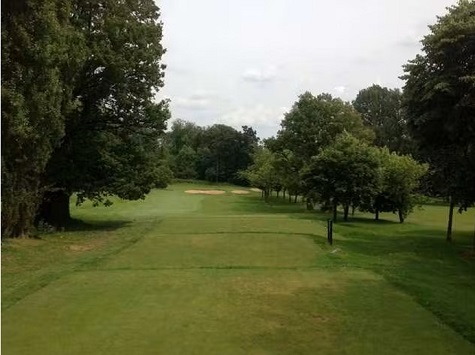
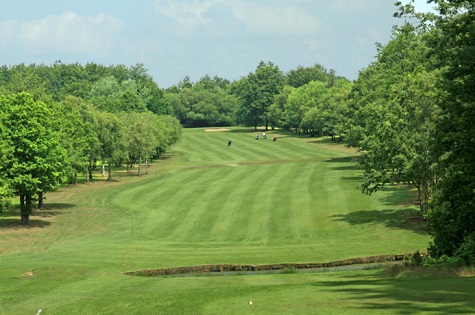
Cocks Moors Woods is an 18-hole, par 72 municipal course located within the south of Birmingham. Set across 130 acres of parkland, the course features wide fairways, mature trees, and challenging greens. 


The course was designed by the renowned golf course architect Harry Colt. Colt was one of the most influential golf course designers of the early 20th century and is known for his work on many famous courses around the world.


Still today many of the greens at Cocks Moors Woods are still clay pushed up greens. I have many fond memories of my time there and enjoyed the challenge of prepping the course for play. Like many 18-hole golf courses, back then maintenance of golf courses was centred around mowing tees, fairways, rough and greens. 


As for staff and machinery, like most clubs we had very few resources. We had five staff. Andy Harris was the HG and the rest of us, John, Tiger, Eddie, Arthur and I made up the rest of the team.


As for machinery what we had back then was minimal. It comprised of a Ford Major tractor and trailer, two sets of cylinder gang mowers, one for the rough (3 units) and one for the fairways (five units). We also had two ATCO (24 inch) pedestrian cylinder mowers for banks and approaches / collars, two Ransomes Auto Certees (20 inch)  for greens, a Pattinson spiker, and turf sod cutter for winter repairs. The rest was hand tools. 


We would mow the greens three times a week, tees twice a week and banks, approaches and collars once a week. As for cutting the fairways it was a case of Arthur mowing constantly throughout the week to cut both the rough and fairways. He got very good at it having done it for the best part of 29 years.


The rest of the week we spent raking bunkers, clearing up debris, changing holes once a week and doing odd jobs to fit in between the regular maintenance works.

 
There was no automated watering system back then,  with any watering was done by hand during the summer months. We had a brook running through the course and we pumped water via an old diesel driven pump engine. In fact, the year I started, I spent most of the summer of 1976 moving hoses and watering greens to keep them alive.


The winter months were centred around course repairs, woodland work, clearing ditches and raking leaves all by hand. One of the most dangerous jobs at the time was spiking the greens with the Patterson spiker - a mean machine, especially when working on slopes. 


I do remember we did acquire a three-wheeled, Wrigley motorised truck that we utilised for transporting materials about. For most of the time we walked everywhere. I was probably the fittest I have ever been during my working career. 


Waterlooville GC 


Looking back at my time there, I have many fond memories. Later in my career I did find myself working at another golf course has an assistant HG at Waterlooville Golf Course in Hampshire in 1984. Times had changed and this course was better equipped, and the HG was a chap called Laurence Carlos, an interesting character. 


It is staggering to relate what machinery we have today on a typical 18-hole golf course, compared to what we had back in the 1970s. There’s really no comparison.


What have also changed are the expectations of the golfer;  the popularity of the sport; its international TV coverage and above all the innovation of new products and services to help manage and maintain the courses.  


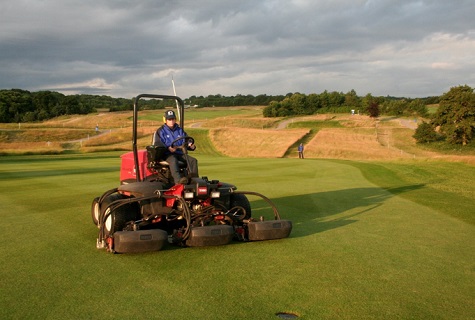
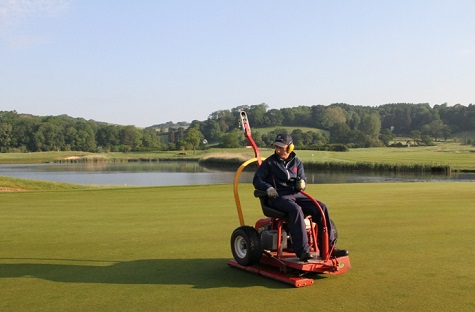
Most 18-hole golf clubs, now have a plethora of mowers in their shed, ranging from pedestrian greens mowers to ride on triples, fairway and rough mowers. On top of that there will be a shed load of other complimentary machines and equipment to aid the greenkeeper to do their job of keeping the course presented, open and playable. 


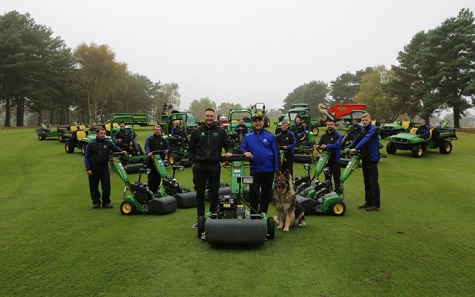
Andy Woods CM at Enville with his fleet of John Deere machinery 


In 2019 I was invited to Enville Golf Club, near Stourbridge, West Midlands to the unveiling of a machinery deal that course manager, Andy Woods, had negotiated for the club to ensure they had the most up to date set of machinery to deliver the expectations of their members and raise the standards of golf at the club. All in all there were twenty five plus new machines delivered. 


A significant investment that many clubs often need to make every five to seven years to ensure they have the right machinery to be efficient and deliver the standards of golf expected.


The total value of machinery for a modern 18-hole golf course typically ranges between £500,000 and £1.5 million, depending on course size, maintenance standards, and whether equipment is owned or leased.


The skill set of today’s greenkeepers is staggering. Many are qualified to a high level thanks to the constant support they get from their governing bodies and organisations such as The R&ABIGGAFEGGA, GMASTRI, Lantra, GEO Foundation (Sustainable Golf), and other supportive organisations. 


The workload at a typical 18-hole golf course in the UK varies depending on the season, weather, type of course (municipal, private, championship), and available staff. However, here’s a general breakdown of the daily, weekly, and seasonal tasks for greenkeepers.


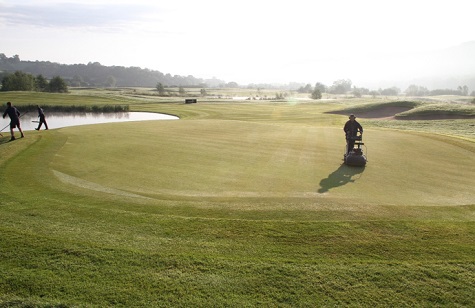
Daily jobs centre around course preparations that include mowing of tees, greens, fairways, aprons, fringing rough, rough, semi rough, bunkers, hole changing, irrigation management, and maintenance of machinery.


Other season work will be various additional renovation works, that include, aeration, scarification/ Verticutting, top dressing, brushing, fertilising, applying fungicides, pesticides and wetting agents. Then there will be tree works, clearing ditches, planting hedge maintenance and many other clearing up tasks. 


Then there is also the plethora of winter projects that get done during the winter months October-March such as drainage works, path reinstatement, tree works, bunker refurbishments, planting projects to name a few.


Turf ironing a green 


However, today’s greenkeeping workloads are very different to the ones I was taught in the mid-1970s. Back then we cut the greens three times a week, tees once week and fairways once a fortnight. Today most run-of-the-mill 18-hole golf courses, are mowing greens daily, tees three times a week and fairways once or twice a week.  


Also, the greens and tees will be Verticut, aerated, and fed on a regular basis along with a concoction of wetting agents, bio stimulants and other soil amendments. Some clubs will have a turf iron that they use to help firm up the greens prior to any match competitions. Even the fairways are scarified, fed and watered these days.


Hole changing at Celtic Manor 


Hole cutting technology has also improved greatly with sophisticated motorised laser alignment systems to ensure holes are perfectly vertical and consistent in depth. We even have GPS tracking devices to record hole placements. 


The fertilising regimes are quite complex now with a combination of slow release, granular and liquid feeds being applied more accurately with GPS guided spraying equipment. 


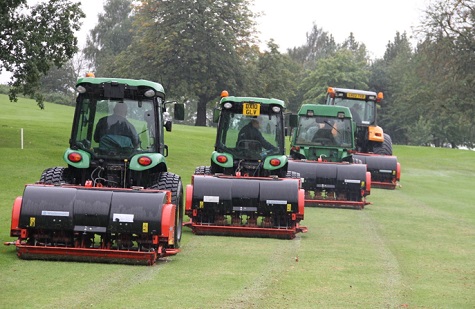
Contractor ALS Vertidraining fairways 


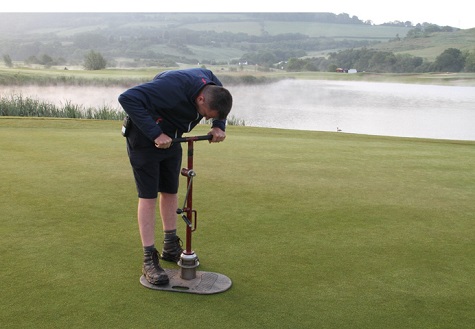
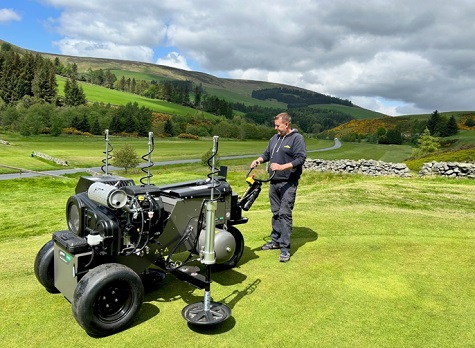
As for aeration techniques we come a long way from the Patterson pedestrian spiker. We now have a wider choice and range of aeration equipment to hand, ranging from pedestrian solid and hollow tines self-powered machines to tractor mounted Verti Drain type machines. More recently we have seen a few deep probe compressed air systems, such as the Javelin, Robin Dagger, the now the popular Air2G2 come to market. Other machines include sand injection type machines.


Foley Air2G pedestrian aerator 


The Toro Procore 648 has also been a popular machine for golf clubs. 


You can also read:


Part one of Cricket Through The Decades here.


Part two of Cricket Through The Decades here


Part one of my 50 years of football here


And part two of 50 years of football here.