The month of February should be showing the first good signs that spring is on its way, with early flowering snow drops poking their heads above the ground.
Snowdrops (Galanthus nivalis) are often considered the first flowers of spring in the UK. They typically bloom as early as January or February, sometimes even in late December, depending on the weather. Their appearance is a sign that winter is coming to an end.
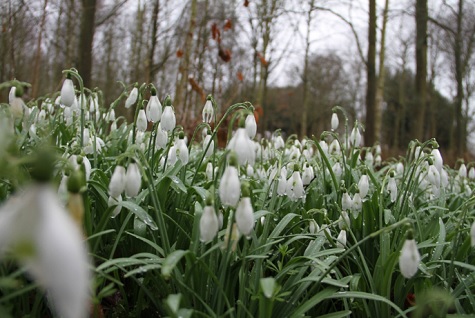
However, they are not the only early bloomers. Other early spring flowers in the UK include:
- Winter Aconites (Eranthis hyemalis) – Bright yellow flowers that often appear around the same time as snowdrops.
- Crocuses (Crocus spp.) – These colorful flowers bloom from late winter into early spring.
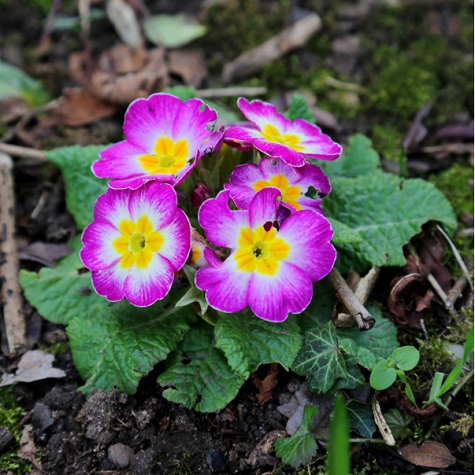
- Primroses (Primula vulgaris) – Often appearing in February and March.
- Lesser Celandine (Ficaria verna) – A small yellow flower that blooms early in woodlands and hedgerows.
Another early flowering plant is Winter jasmine (Jasminum nudiflorum) which typically flowers from December to March in the UK. It is one of the earliest-flowering plants, often blooming in the depths of winter, even in January and February.
Unlike other jasmines, winter jasmine is not scented, but its bright yellow flowers provide a cheerful contrast against bare winter branches. It thrives in well-drained soil and can be trained to climb walls or cascade over fences.
Because of its winter flowering habit, it's often mistaken for forsythia, which blooms later in early spring.
February is a great time to prepare your garden and start work on your lawns and sports fields. Although the weather can still be cold and frosty, there are plenty of winter jobs to do:
General garden maintenance would include tidying up beds and borders, remove dead leaves, weeds, and debris. You can be applying some organic matter to your flower borders and beds like compost or well-rotted manure to enrich the soil.
There will no doubt be some repairs to garden structures such as fences, trellises, and paths for any winter damage. There will be plenty of shrubs, hedges and trees that will require some pruning and cutting back.
Spring is an important time for pruning, helping plants grow healthier, produce more flowers, and maintain a good shape.
Before you start pruning ensure your tools are sharp and clean. Secateurs for small cuts, loppers for thicker branches, and a pruning saw for trees.
Try and prune on a dry day it reduces the risk of fungal infections, always cut Just above an outward-facing bud to encourage outward growth. Remove dead, diseased, and damaged branches first, this is essential for plant health.
Lawn Care
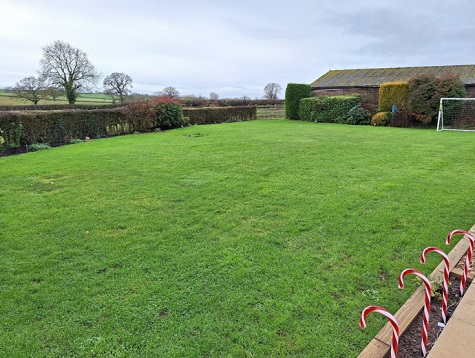
Avoid walking on frozen or waterlogged lawns – It can cause compaction and damage.
Clear moss and debris – Rake away dead leaves and aerate compacted areas.
Apply a winter lawn feed – Use a high-potash feed to strengthen grass roots.
Sports fields
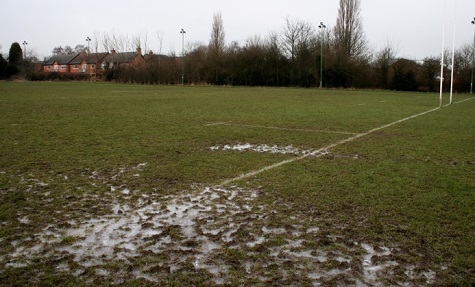
Essential maintenance can still be carried out to ensure the playing surface is in the best condition for the upcoming season.
General maintenance
• Inspect the field for drainage issues – Look for waterlogged areas and consider aeration or sand dressing.
• Remove debris – Clear leaves, twigs, and litter to maintain a clean playing surface.
• Repair divots and uneven areas – Fill and level out any damaged spots caused by winter play.
• Monitor for pests and diseases – Watch for moss, algae, and fungal diseases such as red thread or fusarium patch.
If conditions allow, mow the grass at a high setting (no lower than 25mm) to encourage healthy growth. Avoid cutting too low, as this can weaken the turf in cold conditions.
Spiking/slitting – Use a slitter or aerator to relieve compaction and improve drainage.
Apply cold-tolerant grass seed to high-wear areas (e.g., goalmouths, centre circles). Protect newly seeded areas with germination sheets or light topdressing.
Apply a low-nitrogen, high-phosphorus & potassium winter feed to strengthen root growth.
Remove moss manually or apply an iron-based treatment if moss is spreading.
Hand-remove weeds where necessary (chemical applications should be minimal in winter).
Pitch Protection & Preparation
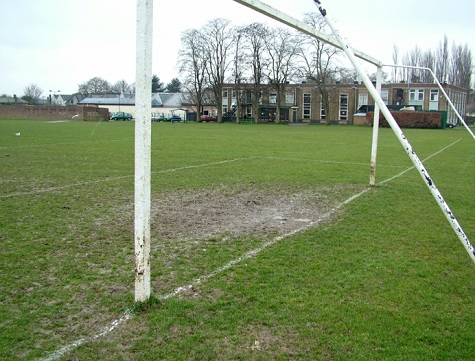
Rotate goalmouths for training to prevent excessive wear in one area.
Replace worn goalmouth turf or add grass reinforcement mats to high-wear areas.
Move portable goals and rotate training drills to spread wear evenly.
Cricket
Again, clear leaves and tree debris off the outfield and square. Aerate the outfield to improve drainage and apply a winter feed once soil and air temperatures go above 7 degrees.
Tennis & Multi-Sport Courts
Brush and clean artificial surfaces to prevent moss and algae buildup.
Check fencing, nets, and posts for winter damage.
Machinery & Equipment Checks
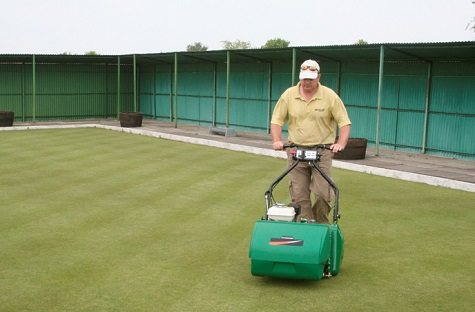
Inspect and service mowers, rollers, and aerators before spring use.
Sharpen blades, check fuel levels, and replace worn parts.
Clean line-marking machines and ensure they are ready for the new season.
Check and Repair Goalposts, Nets & Fences
Planning for Spring & the New Season
Set up a maintenance schedule - Plan fertilising, overseeding, and spring renovations.
Order materials early - Stock up on grass seed, fertiliser, topdressing, and line-marking paint.
Arrange team meetings - If managing a club, discuss pitch rotations and fixture schedules to avoid overuse.