For natural turf playing surfaces in the UK - football, rugby, cricket outfields, schools, and training grounds - the best nutrient strategy is usually a seasonal programme, not a single fertiliser. The key buying criteria are controlled nitrogen release, root development, wear tolerance, soil biology support, and suitability for the UK’s cool, wet climate and the specific topography of a given site / location.
'Feed little and often' is generally more effective on sports turf than heavy, infrequent applications. Modern UK turf management also increasingly combines conventional NPK fertilisers with biostimulants, seaweed, humic acids, iron, and microbial products to improve resilience and recovery.
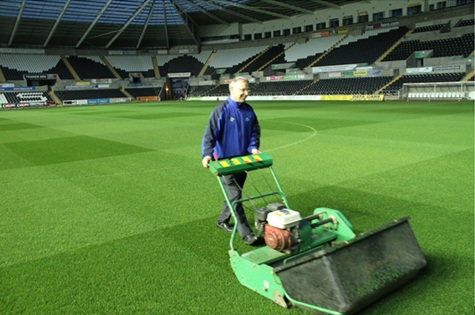
When I started working in sports turf back in the early 1970s, the choice of products was significantly limited compared to today’s plethora of products we enjoy.
The evolution of sports turf fertilisers in the UK (1960s to 1980s to today) is really a story of shifting chemistry, release technology, and precision management. The big change isn’t just 'better fertiliser', but the move from simple agricultural salts to blended amenity fertilisers to controlled-release + precision + biological systems.
In the 1960s, most sports turf (football, golf, council pitches) were fed with standard agricultural fertilisers, not purpose-built sports turf products:
- Ammonium sulphate (sulphate of ammonia) – dominant nitrogen source
- Ammonium nitrate (e.g., Nitram-type products in the UK fertiliser industry)
- Superphosphate (SSP/TSP) for phosphorus
- Muriate of potash (potassium chloride) for potassium
- Basic blended 'compound fertilisers' started appearing but were crude
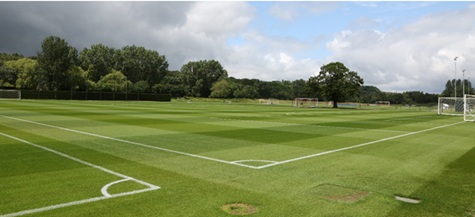
With a heavy reliance on acidifying nitrogen (ammonium sulphate) to suppress weeds and encourage tight swards, these products, were often very fast acting, produced flushes of growth and could cause leaching and scorching.
However, in the 1970s early specialist amenity turf fertilisers started to emerge. This is the decade where sports turf became a specialist input market, not just agriculture applied to grass.
New developments included the appearance of amenity fertiliser blends (first tailored NPK ratios for turf), wider use of urea (cheaper nitrogen, but volatile unless incorporated), sulphur-coated urea (SCU) and early controlled-release nitrogen prototypes.
Growth of companies like ICI and Fisons/Levington, began developing turf-specific products (linked to early sports turf research stations and amenity trials).
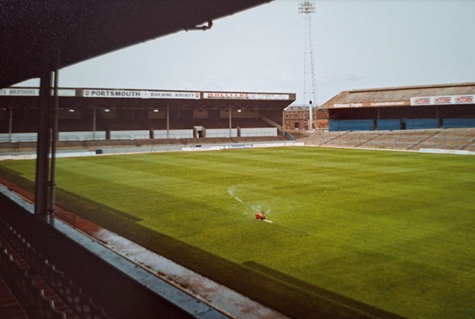
I remember only having a limited choice of products when I was groundsman at Portsmouth FC in the early 1980s. I seem to recall using a basic agriculture 20 10 10 NPK ratio large granular fertiliser product from ICI and having to apply it by hand.
During the 80s we started to see more bespoke products coming into the marketplace with more companies developing a wider range of NPK products that included a range of slow-release sulphur coated products. We also started to see bespoke seasonal fertiliser products being developed.
By the late 80s and through the 90s we started to benefit from massive improvements to the construction of natural grass facilities / playing surfaces. This included improved management techniques that saw more systematic turf agronomy coming into play (soil testing started to matter more). We also saw the breeding of better grass varieties, much improved mowing regimes and more efficiently precise machinery products.
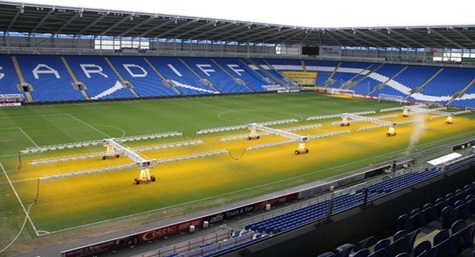
Since the early 2000s, we now have an increasingly technical industry that is driven by high demands and expectations from the end users. Premiership and Championship football pitches have a plethora of highly specified pitches installed, with hybrid sand-based surfaces, grow lighting rigs, undersoil heating and fans. All these systems help maximise the grass growth and its performance in a stadium environment.
Today, modern UK sports turf fertilisation is fundamentally different in design philosophy. There are four main product classes now used.
- Controlled-release fertilisers (CRF)
- Specialist amenity NPK blends
- Liquid fertilisers
- Biostimulants and soil biology products
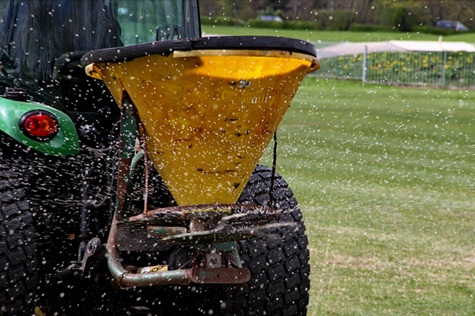
We must not forget, however, that although we have a fantastic array of products to choose from, we need to recognise they only work when we apply them efficiently and timely. Generally, they are applied as a granular product or by diluting the product with water using knapsack, pedestrian or vehicle sprayers.
It is important to calibrate your sprayers and granular applicators to ensure they are applying the correct dosage of material.
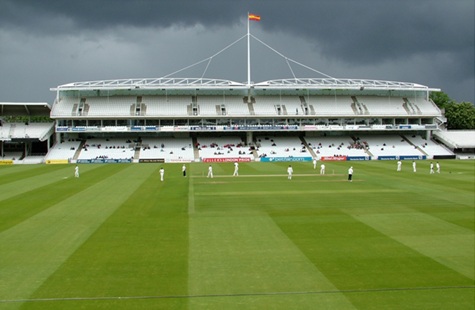
At the top clubs, the head grounds person or stadium turf manager is effectively running a high-performance biological and engineering system under extreme scrutiny.
I’d argue that a modern Premier League turf professional is closer to a 'high-performance surface systems manager' than the traditional image of a groundsman from earlier decades.