EDITOR'S BLOG
A CHANGING PARKS ENVIRONMENT
Constant cutbacks
by TurfPro Editor, Laurence Gale MSC, MBPR
 
Laurence Gale MSC, MBPR

Many park professionals now working in local government are facing difficult times in terms of safeguarding with declining budgets.


 As an ex parks professional, current Green Flag judge and in my capacity as editor of TurfPro, I am keen to promote the importance of maintaining these vital community assets. Only last week I was privileged to judge Victoria Park in Stafford. I met up with three of their parks professionals to ascertain if they were meeting Green Flag criteria.


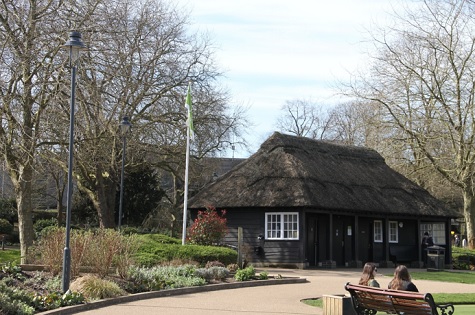
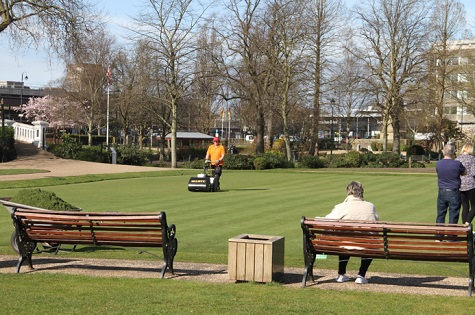
Opened in 1908 it has served the community well making a valued contribution to the environment, nature conservation, biodiversity, education and the economy of Stafford Borough. A welcoming park that still provides many of the traditional attractions many parks once provided. 


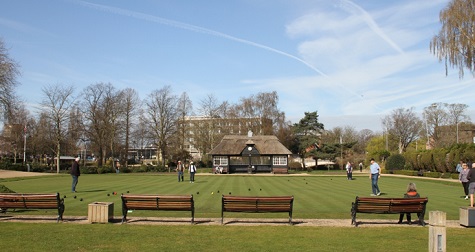
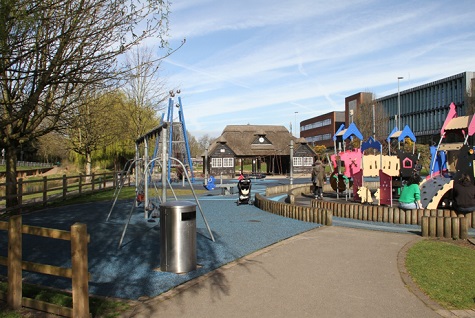
Within the there’s a well-used crown bowling green, bird aviary, café, public toilets, green house, training centre, children’s play areas, Bandstand, splash pool, skateboard park, bedding schemes, amenity shrub beds and mature trees. 


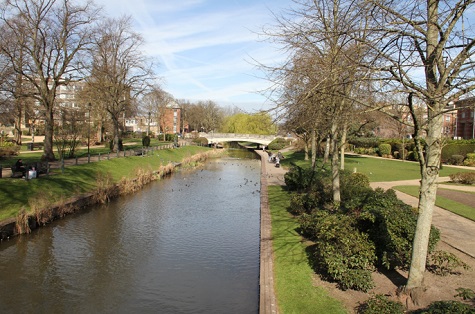
All nestled in a 2HA site with the river Sow running through, for me it’s one of the few remaining parks that retains a plethora of attractions that for many parks have disappeared over the years. 


Back in the 1970s most if not all premier parks offered many of the above facilities listed. However, under the provision of the Compulsive Competitive Tendering act of 1988 all this changed. The origin of Victoria Park though, date back to the Local Government, Planning and Land Act 1980, which first required local authorities to put certain services out to tender.


While CCT achieved some financial savings and increased private sector involvement in public services, it was widely criticised for prioritising cost-cutting over service quality, reducing workforce conditions, and limiting local government autonomy. The shift to Best Value in 1999 reflected an attempt to address these shortcomings by taking a more holistic approach to public service provision.


Unfortunately, this act for many local authorities forced the decline of parks services because of the constant cutbacks and the fact that parks are not a statutory service. We have continued to see the gradual eroding of parks services over many years. 


Many park professionals now working in local government are facing difficult times in terms of safeguarding with declining budgets, the difficulties in obtaining capital funding and the torture of writing grant applications. Everything is becoming much harder.


The Parks Management Association has identified that whilst it is important to lobby politicians in central Government about the need and value for parks and suitable associated national funding, it is clear that most budgets are set at the local level, by our local councillors. However, today we are having to compete against other departments and service areas.


So how do we become “Parks Influencers”? How do we influence politicians, cabinet members, council leaders, portfolio holders, chief executives and Directors of Finance and make the case for parks? 


A tough, challenging subject for local authority parks officers. And one that the Parks Management Association (PMA)  hosted a webinar on recently, featuring speakers from various sectors. Key points included the importance of data and evidence in influencing public policy, the need for local government to balance central and local funding, and the disproportionate funding cuts to parks. 


Manchester City Council's initiatives, such as investing £15 million in parks and engaging 55 friends groups, were highlighted. The session emphasised the significance of building relationships with councillors, understanding community needs, and leveraging social media and campaigns to promote parks.

 
Mo Baines who is currently APSE’s  Chief Executive gave an interesting insight in how  things might pan out regarding funding for parks. She said, “I think it's  worthwhile pointing out that despite the change of government, we are still very much in a state of conflict between what we can deliver locally and what we can deliver at a central level. 


And in some senses, local councils, quite rightly, have always riled against being seen as just the delivery agents of central government. But we are seeing quite a big conflict now that's starting to emerge. Clearly, we've got devolution in Scotland, Wales and Northern Ireland, but still limited taxation raising powers there, and in terms of the devolved nations and English regions very much dependent on what we get from the Treasury in Westminster, and that's in spite of efforts to allow more income to be raised locally from local councils.


It's not always been an easy journey. So we do continue to see these conflicts in public policy, and particularly now, as I referenced at the start, mission based government, it's very much about the center saying this is what we want to achieve across the UK


However, in terms of local powers, we are likely to see some many local reorganisations, the growth of strategic authorities, or combined authorities, and with that saying, can we reorganise local government in a way that would deliver more for local people?


Devolution and Local Government reorganisation


It ironic that during my Green Flag judging at Victoria Park, their staff mentioned the recently announced plans for both Cannock Chase and Stafford Borough councils. 


The government set out plans in December 2024 which would see all the district, borough, county and city councils in Staffordshire abolished and be replaced with larger unitary authorities. This is part of wider plans for devolution.


The government want ‘strategic authorities’ created - which would be groups of local councils working together to cover larger areas. And they want to see elected Mayors leading these new ‘strategic authorities.’


The elected Mayor would have more control over how money was spent locally, and greater powers over key areas such as housing, transport and economic development. Mayoral-led strategic authorities can expect more funding from central government.


It will see an end to the current ‘two-tier’ authorities. At the moment Cannock Chase District Council (CCDC) and Staffordshire County Council deliver different services and functions to our communities. 


For example, CCDC is responsible for the household waste collection service, planning, and parks. Whereas Staffordshire County Council deals with education, roads and social care.


The new unitary council would be responsible for all local government services within their area.


The Government has invited Councils to submit proposals setting out what would work best in their area. Initial proposals have been submitted - with final business cases due by 28 November 2025.


The Parks Management Association say they will be engaging with local communities and partners before a final business case is submitted.
The new unitary councils for Staffordshire are due to go live in 2028.


So, there’s clearly interesting times ahead for local authorities. For me, it’s just another raft of changes to the way local authorities are run. Yes, it may make sense to amalgamate smaller councils to become more effective, but it is down to the quality and dedication of the person in the park carrying out the maintenance and the resources they have to hand, that delivers a vibrant well maintained park. 


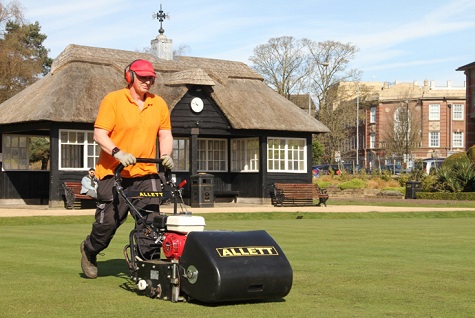
The success of Victoria Park is purely down to the fact they have a dedicated team of park professionals who are keen to support the skilled operative Les, who has been in the park for 37 years and takes pride in looking after it. 


He, along with two other members of staff, undertake all aspects of the park’s maintenance requirements which you can see from the list above are wide ranging.  


My concern for the council is what happens when Les retires in a few years’ time? Do any of the younger staff have the relevant skill sets and work ethic to look after this unique park? 


It was also mentioned during my visit that the council is finding it harder to recruit staff, particularly trying to encourage the younger generation to come into this industry. Many are not interested in working outside or getting their hands dirty.


A sign of the times! Which goes back to the many conversations I have been having with many fellow professionals over the last few years. Is it not  time our industry came together and loudly championed the career opportunities that our turf and amenity industry has to offer?


We need a national campaign to go into schools and promote the vast opportunities this industry has to offer. And then provide a brand-new pathway for them to enter the industry and be educated.


We must act now. With many established industry professionals working in this diverse outdoor industry about to retire in the next five to ten years, we need to find a way to attract new blood into the industry.   

NEWS
AGROVISTA INVESTS IN ROBOTICS
And expands line marking team
 
RM21

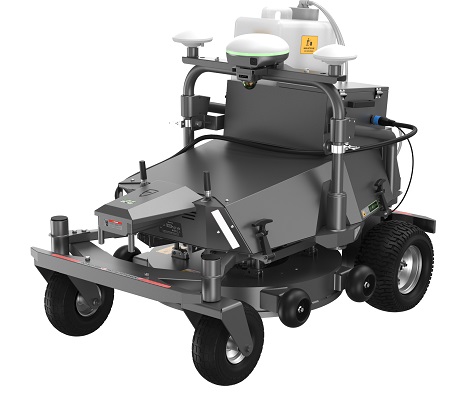
In our next WEB ONLY story, the company has announced an exclusive partnership for the distribution of a combo mower in the UK and Ireland- as well as adding to their specialist team.


ATV DEALER MERGES WITH SPECIALIST PARTS SUPPLIER
Distributes nationally and internationally
 
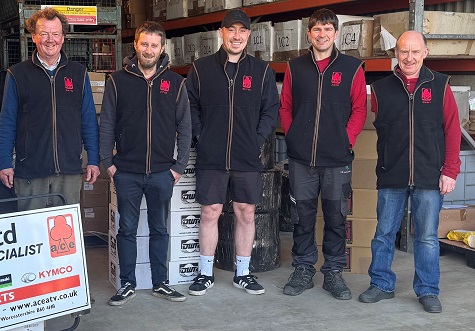
Murray Boss, Iain Alderson, Ashley Thompson, Chris Blewitt and Pete Rumsey

The plan is to expand the business with the introduction of more utility products and manufacturers’ OE parts.


Ace ATV has merged with ATVS Only, the ATV and quad after-market parts supplier.


L-R: Ace ATV’s Murray Boss, with Iain Alderson, Ashley Thompson, Chris Blewitt and Pete Rumsey


Based in Newton Purcell, Buckingham, ATVS Only distributes nationally and internationally and is described the only dedicated importer and distributor specialising in parts and accessories for the sports ATV industry, including side-by-side UTVs and sports quad performance requirements.


With completion of this merger, the company will become a division of Ace ATV, the specialist ATV supplier based in the West Midlands, with over 100 years of combined experience in the agricultural machinery trade. Ace managing director Murray Boss, himself an agricultural engineer, was the founder of Ace ATV before he moved on to start ATVS Only (previously R&P ATV) with Peter Rumsey in 2005. Following the merger on the 31st of March 2025, the ATVS Only business will continue as usual, he says, with the same staff, premises and contact details.


“ATVS Only has built a reputation over 35 years as the leading after-market parts supplier,” says Murray, “and the people and staff are totally committed to the ATV industry, with experience dating back to the late 1980s when Pete started supplying Race quad accessories. What we will do is expand the business from its solid base with the introduction of more utility products and manufacturers’ OE parts for ATVs and UTVs to create a one-stop parts depot.”


Originally trade only, ATVS Only expanded into retail while maintaining supplies to dealers with a separate portal for ordering trade parts. 


Murray concluded, "Bringing the two sides together, the expansion will harmonise the stock with far more items, including OE parts, held in the UK for fast and efficient delivery, usually arriving within one to two working days.”  

TERRITORY MANAGER APPOINTED
For turf technologies
 
Jason Connaughton

In a new role for the company, new man will help turf managers both collect important data and understand how to use it to make smart decisions.


Bernhard and Company has announced the appointment of Jason Connaughton as its new territory manager for turf technologies in a brand-new role for the company.


Jason has an extensive career in golf turf, having started out as a greenkeeper in Ireland, then spending a year working in Australia at the Australian Club in Sydney. He eventually moved to the UK, becoming a qualified mechanic and eventually golf course manager at Yeovil Golf Club, his most recent position before joining Bernhard and Company. 


“It's really exciting to be part of the Bernhard and Company team,” said Jason. “The turf care industry is moving so rapidly towards data collection - it’s become such a powerful tool. With the products and technology that we are now distributing and selling, we can help turf managers both collect important data and understand how to use it to make smart decisions and operate in the most efficient way possible.”


Jason's role means overseeing the array of Bernhard solutions, and working with companies like Maya Global that is pioneering the use of artificial intelligence for sustainable land management. Bernhard’s research also shows that 75% of turf grass problems occur beneath the surface, so understanding how to better manage those is crucial to turf management.

SIGNIFICANT FLEET UPDATE
For Mar Hall
 
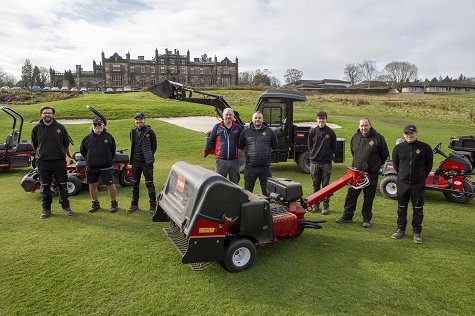
Head greenkeeper Andrew Eckford, centre right

Head greenkeeper says they have been implementing a structured maintenance plan with regular aeration, seeding, and top-dressing to restore both the greens and fairways to their former glory.


Mar Hall Golf and Spa Resort near Glasgow is continuing its investment in its 18-hole championship golf course with a significant fleet update from Toro and Reesink Scotland. 


Head greenkeeper Andrew Eckford, centre right, and Reesink Scotland’s Neil Ross, centre left, with the greenkeeping team and some of the new fleet 


Head greenkeeper Andrew Eckford, who joined the club last year in a senior management recruitment drive alongside a new head of golf, had a focus on multi-functional machinery as he planned the new additions to join in the multi-million-pound course renovation.


Bringing with him 13 years’ experience and countless tournament credentials to the job, the initial projects requiring focus were building back grass coverage on the greens and repairs to all bunkers with a total sand replacement. 


Andrew explains: “When I first started, nearly half of the greens were covered in moss. We’ve been steadily reducing that and implementing a structured maintenance plan with regular aeration, seeding, and top-dressing to restore both the greens and fairways to their former glory.”


The Toro ProCore 648s aerator, Workman HDX utility vehicle with ProPass topdresser and sprayer and a selection of trusted greens mowers will be instrumental in this recovery work.


“Efficiency is key,” says Andrew. “I wanted a versatile utility vehicle that could handle multiple turf maintenance jobs throughout the month, rather than investing in a separate Multi Pro sprayer or a top dresser that would only be used occasionally. This solution delivers exceptional value and ensures our greens are maintained to the highest standard.”


Andrew continued, “We’re focused on elevating Mar Hall’s golf course and putting it back on the Scottish golfing map. That means using the best equipment available. Most greenkeepers have a go-to brand, and for me, that’s always been Toro, it’s simply a step above. I’m fortunate to have the full support of the management and owners in selecting what we need to do the job right, and with Toro, we also have the added benefit of working with Reesink Scotland.”

JOBS
ADVERTISE YOUR JOBS HERE
Amazing success rates!
 
Advertise your jobs on TurfPro Weekly Briefing

Advertise your recruitment needs on TurfPro Weekly Briefing and reach our targeted audience of recipients every week.

Contact Nikki Harrison for details - 01491 837117


PREVIOUS FEATURES
EDITOR'S BLOG ARCHIVE
Catch up with Laurence Gale's recent blogs
 
TurfPro editor, Laurence Gale

Want to catch up with one of editor Laurence Gale's blogs? Here is the place to do so.


TURFPRO FEATURE ARCHIVE
Find our previous features here
 
TurfPro Feature Archive

If you want to catch up with any of TurfPro's previous features, here is the place to do so.


50 YEARS OF GOLF STEWARDSHIP
Part three


50 YEARS OF GOLF STEWARDSHIP
Part two


50 YEARS OF GOLF STEWARDSHIP
Part one


DEMONSTRATING AND APPLYING AN INTEGRATED APPROACH
Reviewing the tools available


CRICKET MANAGEMENT THROUGH THE DECADES
Part two


CRICKET MANAGEMENT THROUGH THE DECADES
Part one


A LOOK AT THE OPTIONS
When implementing an integrated approach


50 YEARS OF FOOTBALL MANAGEMENT
Part two


50 YEARS OF FOOTBALL MANAGEMENT
Part one


57 YEARS & COUNTING!
My life in the industry


DEMONSTRATING AND APPLYING AN INTEGRATED APPROACH
New series of articles for 2025


IMPLEMENTING SUSTAINABLE PRACTICE
Examples from across the year


VINTAGE PUSH MOWER USE
Enthusiast maintains lawn the old fashioned way


SUSTAINABLE AMENITY MANAGEMENT
Principles and practises


PLACING URBAN GREEN SPACES AT THE HEART OF INFRASTRUCTURE
Midlands Parks Forum's annual conference


RAISING THE VOICE
At the Amenity Forum's annual conference


SUSTAINABLE PARKS
Parks For London case study


WHY GRASSROOTS RUGBY IS IN DECLINE
A steady drop off in participation.


SEEDS OF SUSTAINABILITY
Focus on a major supplier of grass seed and related products to the amenity sector


ON TEST
STIHL BGA 300 cordless leaf backpack blower


ON TEST
EGO Multi-tool


PUT THEM ON THE TOOLS!
Time for an attitude change


SUSTAINABILITY IN THE TRAINING SECTOR
Grasping the challenge of encouraging more sustainable practice


SUSTAINABILITY IN LOCAL AUTHORITIES
Lessons learnt and experiences


SKILL SETS NEED RECOGNITION
Turf professionals are underappreciated


GREATER RESPECT FOR GROUNDS STAFF MIGHT MAKE ALL THE DIFFERENCE
To the recruitment crisis


A COMPETITIVE SALARY
Why employers should advertise the salary when recruiting new staff


ON TEST
Makita XGT UV001G lawn scarifier


AN EXAMPLE OF SUSTAINABILITY IN MACHINERY SUPPLY
Focus on Kubota


MY PERSONAL GREENKEEPING PHILOSOPHY HAS NEVER CHANGED
I don't follow any set program


SUSTAINABILITY IN LANDSCAPING
A substantial element of amenity activity


IS IT TIME TO SAY NO TO 'NO MOW MAY'?
Any real benefits?


SUSTAINABILITY IN OUR PARKS & PUBLIC GREEN SPACES
Meeting the challenge


THE PATH TO WIMBLEDON
For groundstaff member, Conrad Cavil


ON TEST
EGO LBP8000E backpack blower


SUSTAINABILITY IN THE LAWN CARE SECTOR
A key consideration


BEEKEEPING IN COMMERCIAL ENVIRONMENTS
The current situation


SUSTAINABLE PRACTICE IN THE AMENITY SUPPLY SECTOR
Optimising land use through integrated solutions


SUSTAINABILITY IN THE GOLF SECTOR
Focus on BIGGA


THE SEARCH FOR SUSTAINABLE PRACTICE
Bringing together key points


DEVELOPING SUSTAINABLE SOLUTIONS FOR GOLF
R&A are supporting clubs


GETTING THE MOST OUT OF EVERY POUND OF BUDGET
A course manager's view


A NEWFOUND APPRECIATION FOR ALL VOLUNTEERS
Who look after grassroots pitches


SUSTAINABILITY & THE UK ACTION PLAN
For weed, pest and disease management


CONCERN FOR PARKS FOLLOWING COUNCIL BANKRUPTCIES
What does the future hold?


TAKING A GLOBAL LOOK AT SUSTAINABILITY
Is the rest of the world also driving towards sustainable practice?


RENOVATIONS, PLAY AND THANKS
On my mind this week


SUSTAINABILITY – IMPLICATIONS FOR TRAINING & EDUCATION
Set to play a crucial role going forward


TULIP TREE
Liriodendron tulipifera


LYDIA BROOM
Genista lydia


THE LAWN AND ITS VALUE
Changing attitudes


GIANT HOGWEED
Invasive and potentially harmful


LIFE-CYCLE ANALYSIS & SUSTAINABILITY
Considering every stage of the journey


NITROGEN USE EFFICIENCY
The most important nutrient


BERBERIS THUNBERGII
A shrub that has stood the test of time


ENSURING FUTURE PROSPERITY
Advice imparted at road shows


INNOVATION & SUSTAINABILITY
A key focus


PHOTINA RED ROBIN
A sensational flowering shrub


VALUING THE GRASSROOTS
We must not overlook those who maintain these grounds


MANAGING WEEDS SUSTAINABLY
In amenity spaces


DETECTING NUTRIENT DEFICIENCY SYMPTOMS
In turf plants


SPRING RENOVATIONS UNDERWAY
A crucial period


SUSTAINABILITY IN SUPPLY
A focus on those who supply essential inputs to our sector


CHANGING CLIMATE
Is a borehole the key for clubs?


SUSTAINABILITY AT THE SHARP END
How to put into practice when budgets are tight?


ANOTHER NAIL IN THE COFFIN OF GRASSROOTS RUGBY
Clubs are struggling


SUSTAINABILITY IN PRACTICE
Seeking transparent and robust supply chains is essential


TIME FOR ACTION
To reverse recruitment crisis


CONTROLLING COSTS
Planning is crucial


THE SEARCH FOR SUSTAINABILITY
What exactly does the term mean?


CARING FOR THE GRASSROOTS
From volunteers to contractors


DEFRA IS LETTING DOWN THE COUNTRY
Complete failure to address the plastic grass debate


WE CAN ALL DO MORE
To aid biodiversity


MY LIFE IN GREENKEEPING
With Bruce Cruickshank


LEVELLING UP, GETTING SMARTER & GETTING AHEAD
Parks require so much more funding


SWITCHED ON FOR HARD WORK
Putting trimmers through their paces


MACHINERY HIGHLIGHTS
At this year's show


MY SALTEX
Daniel Lewis​, Manchester City Football Club


AWASH WITH LEARNING OPPORTUNITIES
Two months till showtime


LOOKING BACK, LOOKING FORWARD
Priorities for the amenity sector


THE DECLINE OF ‘PARKITECTURE’
A symptom of the state of parks in 2022


DEVELOPERS SHIRKING GREEN SPACE RESPONSIBILITIES
Lack of financial commitment


TIME TO COME TOGETHER
For the good of the industry


THE DEATH OF GRASS ROOTS CRICKET
Gathering apace?


ROUTES INTO THE INDUSTRY MUST BE ENSURED
Q&A with David Fisher, Lantra’s head of industry partnerships


STRONG VIEWS ON CRICKET PITCH PERFORMANCE MARKING
A bone of contention


A PREMIUM PRODUCT
Delivered at Naas Golf Club


THE GREEN REVOLUTION
And Esker Hills


MAKING A CHANGE
Laytown and Bettystown Golf Links


A DAY AT THE RACES
Naas Race Course


WORKING TOGETHER AS ONE VOICE
How the industry needs to proceed


OVER 175 YEARS OF EDUCATION
Wesley College


ELECTRIC EXCITEMENT
Dennis's Ian Howard talks electrification


THE HOME OF CORK GAA
Páirc Uí Chaoimh


LONG POLE BATTERY HEDGE TRIMMERS TESTED
STIHL HLA 66 and HLA 86


OVER 800 YEARS OF HISTORY
Johnstown Castle and Gardens


A CLUB GONE WILD
Kilkenny Golf Club


A GOLF COURSE IN THE GARDEN OF IRELAND
Woodenbridge GC


80 YEARS YOUNG
Charleville Golf Club


AN UPLIFTING EXPERIENCE
Bunclody Golf & Fishing Club


GETTING BACK TOGETHER
Albeit gradually . .


GO WEST
Inishturk GAA pitch – one of the most westerly sportspitches in Europe


WORKING ON A TIGHT BUDGET
Nenagh Golf Club


ON A MISSION
Wrekin Golf Club aiming to enrich wildlife and fauna


WILD AND WONDERFUL
Design By Nature


LEARNING HOW TO SURVIVE
Abbey Par 3


TACKLING OBESITY
Vital that schools can provide sport


A LIFETIME OF LEARNING
Vital for turf professionals


CELEBRATING 125 YEARS
Tullamore Golf Club


UNIVERSITY CHALLENGES
At Trinity College Dublin


BLENDING THE OLD WITH THE NEW
Bray Golf Club


A WELL POLISHED COURSE!
Ierne Social And Sports Club


IDENTIFYING THE TRUE VALUES
Of grounds maintenance


THE INDUSTRY WILL CHANGE & ADAPT
But it will survive


WIRRAL GOLF COURSES SAVED
Renewed hope and optimism for the future


GREEN SPACE CONTRIBUTION TO WELLBEING IS UNDERVALUED
Parks invisible on national agenda


A SHINING LIGHT IN IRELAND'S SUNNY SOUTHEAST
Wexford Golf Club


GREEN SPACES DO NOT LOOK AFTER THEMSELVES!
Keith Kent says we must invest in people


WE SHOULD TELL THE WORLD ABOUT THE UK INDUSTRY
Right time for all sides to come together


SOIL LIFE IS PRECIOUS
Good-quality soil can help save the planet


MORE THAN JUST CUTTING GRASS
Encouraging the next generation


A BUZZ FROM DOING THE JOB
Wide experience of the turf grass industry


PAYING THEIR WAY
Low wages is the bane of the industry


AMENITY MANAGEMENT IMPACTS US ALL
Professor John Moverley


CARING FOR PARKS OF ALL TYPES
Mary Worrall


TOP FIVE FRUSTRATIONS FOR CRICKET GROUNDSMEN
What causes you the most frustration in your role?


PROFESSIONALS AT THE CUTTING EDGE
Vic Demain and Phil Sharples


BOWLS CLUBS IN PERIL
A sad decline


A VERY SPECIAL INDUSTRY
Loz looks back


SNEAK PEAK AT A ROBOTIC "GAME CHANGER"
Commercial model capable of covering 50,000 m2 teased


HALESOWEN PICK A BIG ROBOT UP FRONT
Invest in mowers


COMPRESSED AERATION
The new way


PARKS MATTER MORE THAN EVER
Recent sector developments


ON TEST
STIHL blowers


THREE CORE VALUES TO SHAPE OUR INDUSTRY
Real concerns for the future


ENGLAND'S GREEN SPACE GAP
A split along racial lines


ON TEST
EGO STX3800 strimmer with RTX2300 Rotocut head


A SECTOR FACING IMPORTANT TIMES
Review of the National Action Plan


PARKS MATTER
The role of public parks in the recovery: a discussion paper


A UNIQUE SPORTING VENUE
Wormsley private estate


A BTME OUTDOORS?
A good bet for the industry


PARKS NEED APPROPRIATE POLITICAL REPRESENTATION
Q&A with Philippa Reece, Parks and Foreshore Manager at Adur and Worthing Council


CRICKET LOAM
What does it mean?


A HERCULEAN EFFORT TO GET PARKS BACK TO NORMAL
Q&A with Chris Worman, Rugby Borough Council’s parks and ground manager


ON TEST
STIHL battery products


TURFGRASS STRESS MANAGEMENT
Reactive Oxygen Species (ROS) and antioxidants during biotic and abiotic stress in turfgrass plants


AUTUMN DISEASE MANAGEMENT
The coming months are going to prove very difficult


THE ABUSE OF PARKS . .
Is the abuse of society


WHY PARKS MATTER?
A statement from the Parks Management Forum to the Prime Minister


THE 21st CENTURY PARKS MANAGER
Innovative, creative and entrepreneurial


EAT, SLEEP, CUT, REPEAT!
Cricket under covid


TIME FOR A SINGLE SHOW?
Debate brought back into focus


A CHALLENGING TWO MONTHS
Running golf design projects from home


PRESSURE SITUATION
Cementing the reputation


A CLUB TO BE PROUD OF
10 years at the helm of Olton GC


GAME CHANGERS IN TURFCARE
The day the Lord's outfield reconstruction proved its worth


THE ESSENCE OF ESSENTIAL
Finding a sensible way forward on defining "essential maintenance"


THAT WAS THE YEAR THAT WAS
2001


HOW TO LOOK AFTER A GOLF COURSE WITH NO GOLFERS
Fundamental to the survival of almost all courses, if not of the game itself


RAIN STOPPED PLAY WOULD BE WELCOME
. . along with ‘lunch is being taken early’


PHYSICAL CONTROL OF TURFGRASS PESTS
An urgent problem


A DIVERSE & ENTERTAINING WEEK
Successful BTME 2020


INTEGRATED PEST CONTROL
Opportunity to embrace new methods


ENVILLE ON THE UP
Major investments taking place


GREEN FLAG AWARDS 2019
A great success


U.S PROFESSIONAL EQUIPMENT SHOW EXCELS
Buoyant GIE+EXPO


LEGACY OF THE SOLHEIM CUP
At Gleneagles


A DAY OUT WITH THE LADIES
Behind the scenes at the Solheim Cup


COVENTRY UNIVERSITY'S EDIBLE GARDEN SUCCESS
2006 - present


HAIL THE GRASS MASTERS!
Boorish media comments about pitch quality are wide of the mark


CONTRACTOR SEES MULTI-DISCIPLINE SUCCESS
360 Ground Care serving professional facilities


BUSY TIMES
Judging the Green Flag Awards


TAKING AN INTEGRATED APPROACH
What does it all mean in managing turf surfaces?


UNDER PRESSURE
Dry weather conditions continue to keep turf managers focused on moisture management


EDDIE SEAWARD
Death of Wimbledon’s influential grounds manager


MAJOR NEW IRRIGATION PROJECT
At Top 100 classic Berkhamsted Golf Club


NEW HORIZONS FOR THE HATTERS
Investment paying off at Kenilworth Road


ELIZABETHAN RESTORATION
At Castle Bromwich Hall Gardens


WHAT IS BIOPHILIA?
The vital impact of parks and green spaces on health and well-being


WORM CONTROL
Without carbendazim


THE TRUE COST OF PETROL
Battery-powered outdoor power tools are now turning the heads of professionals


SANDS OF TIME
Sand-based pitches are now the norm in professional sports


WHY DO WE DO THE RIGHT THING?
We must maintain industry standards


CHASING GRASS PERFECTION?
11 things you need to know . . .


MAINTAINING STANDARDS
Q&A with BASIS ceo, Stephen Jacobs


STRI RESEARCH DAY 2018
Hosted at research trial grounds in Bingley


THE MECHANIC
Leicester City FC invest in new role


LORD'S 'GRASS-GUVNOR' TO RETIRE
Mick Hunt bows out after 49 years


HOLLOW CORING & DEEP SCARIFICATION
Is it really necessary?

Side Advert Image


PARTNERS
CAMPEY
 
Campey Turf Care Systems
DENNIS
 
Dennis
Foley
 
Foley Company
HUNTER GRINDERS
 
Hunter Grinders
ISEKI UK & IRELAND
 
Iseki
Kubota
 
Kubota
LANTRA
 
LANTRA
SISIS
 
Sisis
Syn-Pro
 
Syn-Pro
MAJOR
 
Major
Garden trader
 
Garden Trader
PRODUCED BY THE AD PLAIN
The Ad Plain
 
TAP
SUSTAINABILITY FOCUS
CREATING AN INTEGRATED MANAGEMENT PLAN
Key steps


In creating an integrated weed management plan, its main purpose is to provide a framework for decision making and a document which can be reviewed and updated.


In addressing the need for sustainable practice, core to any actions is taking an integrated approach but what does that mean? Just as with the term sustainability, it is important to understand what is meant by an integrated approach and importantly what is not. This particular series of articles has sought to address this topic and my final one in the series is aimed at producing a simple guide to taking an integrated approach in any amenity situation. As example, we will look at the key steps involved in creating an integrated management plan for weed control, but the approach is applicable to pest and disease control and indeed the article reviews some factors to be considered when doing this. The recent publication of the UK national Actional Plan for sustainable use of pesticides has further increased the emphasis on taking integrated approaches by all involved in our sector. 


In creating an integrated weed management plan, it need not be complex nor involve a great amount of documentation. Its main purpose is to provide a framework for decision making and a document which can be reviewed and updated. The production of integrated management plans will involve different stages, depending upon the situations being addressed but each plan will have the same components. For example, in maintaining highways in a county council context, weed control is conducted to limit damage to the fabric of the highway, mitigating structural damage to the road infrastructure and to facilitate unobstructed free movement along it, including for safety and visibility reasons. In this case, the most appropriate approach is to develop the integrated management plan annually prior to the start of the growing season. If dealing with more specific situations, such as the control of unwanted weeds in say a built-up area, a plan would be developed at the time when action is needed, in deciding upon the best method to be adopted.


An element within the creation of integrated management plans is the assessment of weediness and what level can or cannot be tolerated. In dealing with aspects of weed management, it will be necessary to determine the most appropriate method of assessment and include this within the integrated management plan.


Creating a plan


This is a nine-step planning process as follows:

  1. Understand the background situation and the area being managed: What is the amenity space used for? Does weed control need to be the same across all the area or different approaches needed for specific areas, such as for example in a park
  2. Defining the desired outcome: Such definition should include the levels of weediness that is acceptable (see step 4) and how this is to be applied across the season.
  3. Clearly identify the current weed situation to be managed: Ideally create a form of weed map identifying the key species to be controlled related to the amenity or sports surface involved. The most effective weed management is before the weed flowers and certainly before seed set 
  4. Weediness levels:  Be clear on which weeds can be tolerated and to what extent, and establish a process for reviewing throughout the growing season
  5. Design: Consider carefully options for designing out the problems and the various cultural and maintenance actions which can be implemented to minimise the need for weed control.
  6. Design a treatment plan: Consider carefully all the methods available as described earlier in this series of articles, in establishing the correct mix of approaches to achieve the desired outcome in the most effective and sustainable manner.
  7. Monitor and record: Keep a record throughout the season allowing you to adapt the treatment approach and provide information for future planning
  8. Communicate: In adopting an integrated approach, it is important to inform all involved both internally and externally. This is especially true in terms of approaches to the level of weediness toleration.
  9. Review and Adapt: The plan should be kept under review as a living document

From these headings, it is possible to create a template which can be applied to any given situation and provide the basis for integrated weed management programmes, whether implemented in house or by external contractors. 


IPM and sportsturf


The focus thus far has very much been weed control across all amenity situations. However, how about the management of pests and disease. In truth a similar template is applicable and can be applied. 


The rest of this article looks as an example at sports turf management and factors involved in applying integrated management planning.  Integrated weed, pest and disease management (referred to as IPM) is all about finding the optimal solution on each golf green, tee, fairway, bowling green, winter sports pitch and beyond to encourage healthy, sustained growth of the grass and help it outcompete the pests, weeds and diseases throughout the year. There are many activities that can help to ensure the turfgrass is at its strongest and prevent or reduce the impact of pests, weeds and diseases, ensuring less need for pesticide use as well.  


The starting point depends on the current position of the sports turf surface:  If establishing, a free draining root-zone is the beginning for all golf and winter sports turf surfaces. Grass species and cultivars can be chosen and the maintenance programme planned to encourage their growth without pest, weed or disease. Organic matter control is probably the number one cultural control that helps all elements of golf green and sports pitch management. For example, golf greens with excessive organic matter hold water at the surface, can be more susceptible to disease and are often far from smooth and true. Ripping into the turf surface will go some way to physically remove the existing organic matter and create the aerobic conditions necessary to encourage microbial activity, which will help to naturally break down the remaining organic matter. Hollow coring or spiking and top dressing or deep scarification with sand injection and over seeding is ideal to impact as much organic matter as possible. However, it may be impossible to achieve the right conditions in one operation and so further planned light top dressings will help dilute any remaining thatch between removal operations.   


As water is required for grass growth, but also for germination and infection by many of the important turf grass pathogens, its management is of great importance. Two maintenance practices need to be considered; applying irrigation when grass plants require water, and keeping the grass surface as dry as possible. From a disease management context, the root zone should be watered to the depth of the roots as infrequently as possible. However, there is a fine line between sufficiently irrigating the root zone and creating soft, wet surfaces that are less than optimal from a playability point of view.  As well as the amount, the quality of the irrigation water is important. 


The period of leaf wetness is also key. Leaf surface remaining wet all night encourages pathogens to germinate and potentially infect the grass plants. Dew should also be removed by switching, brushing or using dew removal products to reduce the time that the surface stays wet.  As well as physically removing surface moisture, airflow and light penetration are important in drying off the turf surface, especially for surfaces susceptible to microdochum patch. Sports turf surfaces surrounded by trees or shrubbery can remain wet for much longer periods due to a lack of airflow. Pruning, especially of lower branches on trees, can improve air flow and light penetration helping the surface to dry faster and reducing the potential for infection. 


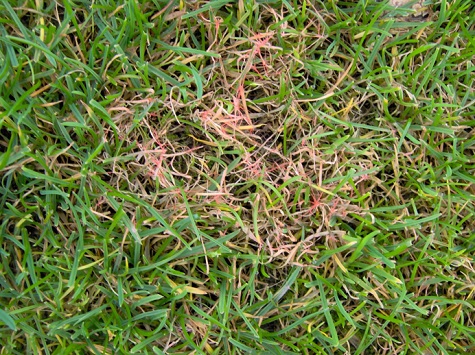
Establishing or over sowing with desirable grass species, especially in combination with organic matter control, helps to ensure ‘fine’ turf surfaces optimal for smooth and true golf greens. A fertiliser programme should be planned to supply as frequently as possible optimal amounts to the grass plants. Such plants will be much less likely to suffer from disease attack or allow encroachment of weeds. For example, grass swards lacking nitrogen are more susceptible to dollar spot and red thread, respectively. By ensuring adequate nitrogen is supplied, these low nutrition diseases can be greatly reduced. However, care with nitrogen use is required at the end of the growing season, as lush grass growth when the weather conditions are conducive can lead to severe microdochium patch outbreaks. Therefore, maintaining optimum nutrient levels is a balance between ensuring sufficient fertility is available to allow growth and preventing conditions which will encourage high fertility diseases.  Consideration of the release pattern of fertilisers can help to prevent peaks and troughs in fertility. Slow release and controlled release fertilisers can ‘drip feed’ the grass, creating more even growth patterns with less stress to the plants and so reducing susceptibility to low fertility diseases.  


All of the above cultural methods of managing turf and more should lead to a healthier, stronger sward. much less susceptible to weed and disease ingress and form an essential part of the integrated management planning process. 


Conclusion


This article is the last in the present series. In the series we have sought to de-mystify the subject of sustainable practice. It is not to be feared, indeed much best practice in amenity is already good sustainable practice. However, organisations should undertake audits and seek to develop such practice. As said, I hope these articles over the last two years have helped in this. Future articles from me will comprise occasional items of interest both on the topic of sustainable practice and other issues impacting upon the amenity sector.

FEATURE
REFLECTIONS ON A CAREER
A lifetime of dedication
by Peter Driver
 
Peter Driver

In our first WEB ONLY story, industry stalwart Peter Driver has, finally, retired. Here he tells the story of his working life - some of which has been "rollercoaster ride", while other parts (the majority) have been "an absolute pleasure".