In addressing the need for sustainable practice, core to any actions is taking an integrated approach but what does that mean? Just as with the term sustainability, it is important to understand what is meant by an integrated approach and importantly what is not. This particular series of articles has sought to address this topic and my final one in the series is aimed at producing a simple guide to taking an integrated approach in any amenity situation. As example, we will look at the key steps involved in creating an integrated management plan for weed control, but the approach is applicable to pest and disease control and indeed the article reviews some factors to be considered when doing this. The recent publication of the UK national Actional Plan for sustainable use of pesticides has further increased the emphasis on taking integrated approaches by all involved in our sector.
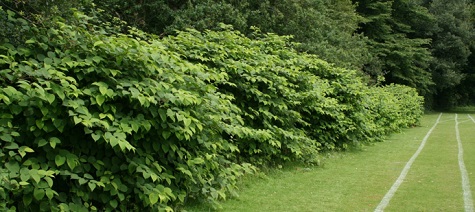
In creating an integrated weed management plan, it need not be complex nor involve a great amount of documentation. Its main purpose is to provide a framework for decision making and a document which can be reviewed and updated. The production of integrated management plans will involve different stages, depending upon the situations being addressed but each plan will have the same components. For example, in maintaining highways in a county council context, weed control is conducted to limit damage to the fabric of the highway, mitigating structural damage to the road infrastructure and to facilitate unobstructed free movement along it, including for safety and visibility reasons. In this case, the most appropriate approach is to develop the integrated management plan annually prior to the start of the growing season. If dealing with more specific situations, such as the control of unwanted weeds in say a built-up area, a plan would be developed at the time when action is needed, in deciding upon the best method to be adopted.
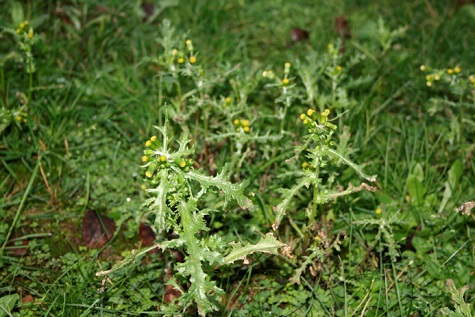
An element within the creation of integrated management plans is the assessment of weediness and what level can or cannot be tolerated. In dealing with aspects of weed management, it will be necessary to determine the most appropriate method of assessment and include this within the integrated management plan.
Creating a plan
This is a nine-step planning process as follows:
- Understand the background situation and the area being managed: What is the amenity space used for? Does weed control need to be the same across all the area or different approaches needed for specific areas, such as for example in a park
- Defining the desired outcome: Such definition should include the levels of weediness that is acceptable (see step 4) and how this is to be applied across the season.
- Clearly identify the current weed situation to be managed: Ideally create a form of weed map identifying the key species to be controlled related to the amenity or sports surface involved. The most effective weed management is before the weed flowers and certainly before seed set
- Weediness levels: Be clear on which weeds can be tolerated and to what extent, and establish a process for reviewing throughout the growing season
- Design: Consider carefully options for designing out the problems and the various cultural and maintenance actions which can be implemented to minimise the need for weed control.
- Design a treatment plan: Consider carefully all the methods available as described earlier in this series of articles, in establishing the correct mix of approaches to achieve the desired outcome in the most effective and sustainable manner.
- Monitor and record: Keep a record throughout the season allowing you to adapt the treatment approach and provide information for future planning
- Communicate: In adopting an integrated approach, it is important to inform all involved both internally and externally. This is especially true in terms of approaches to the level of weediness toleration.
- Review and Adapt: The plan should be kept under review as a living document
From these headings, it is possible to create a template which can be applied to any given situation and provide the basis for integrated weed management programmes, whether implemented in house or by external contractors.
IPM and sportsturf
The focus thus far has very much been weed control across all amenity situations. However, how about the management of pests and disease. In truth a similar template is applicable and can be applied.
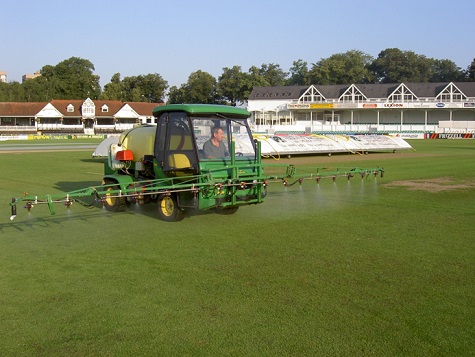
The rest of this article looks as an example at sports turf management and factors involved in applying integrated management planning. Integrated weed, pest and disease management (referred to as IPM) is all about finding the optimal solution on each golf green, tee, fairway, bowling green, winter sports pitch and beyond to encourage healthy, sustained growth of the grass and help it outcompete the pests, weeds and diseases throughout the year. There are many activities that can help to ensure the turfgrass is at its strongest and prevent or reduce the impact of pests, weeds and diseases, ensuring less need for pesticide use as well.
The starting point depends on the current position of the sports turf surface: If establishing, a free draining root-zone is the beginning for all golf and winter sports turf surfaces. Grass species and cultivars can be chosen and the maintenance programme planned to encourage their growth without pest, weed or disease. Organic matter control is probably the number one cultural control that helps all elements of golf green and sports pitch management. For example, golf greens with excessive organic matter hold water at the surface, can be more susceptible to disease and are often far from smooth and true. Ripping into the turf surface will go some way to physically remove the existing organic matter and create the aerobic conditions necessary to encourage microbial activity, which will help to naturally break down the remaining organic matter. Hollow coring or spiking and top dressing or deep scarification with sand injection and over seeding is ideal to impact as much organic matter as possible. However, it may be impossible to achieve the right conditions in one operation and so further planned light top dressings will help dilute any remaining thatch between removal operations.
As water is required for grass growth, but also for germination and infection by many of the important turf grass pathogens, its management is of great importance. Two maintenance practices need to be considered; applying irrigation when grass plants require water, and keeping the grass surface as dry as possible. From a disease management context, the root zone should be watered to the depth of the roots as infrequently as possible. However, there is a fine line between sufficiently irrigating the root zone and creating soft, wet surfaces that are less than optimal from a playability point of view. As well as the amount, the quality of the irrigation water is important.
The period of leaf wetness is also key. Leaf surface remaining wet all night encourages pathogens to germinate and potentially infect the grass plants. Dew should also be removed by switching, brushing or using dew removal products to reduce the time that the surface stays wet. As well as physically removing surface moisture, airflow and light penetration are important in drying off the turf surface, especially for surfaces susceptible to microdochum patch. Sports turf surfaces surrounded by trees or shrubbery can remain wet for much longer periods due to a lack of airflow. Pruning, especially of lower branches on trees, can improve air flow and light penetration helping the surface to dry faster and reducing the potential for infection.
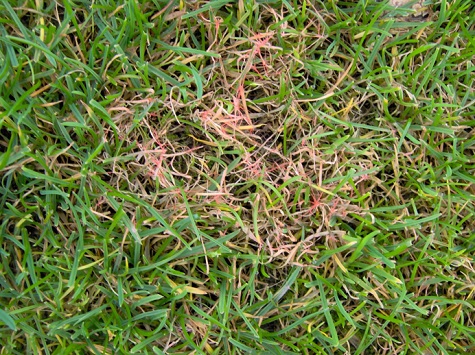
Establishing or over sowing with desirable grass species, especially in combination with organic matter control, helps to ensure ‘fine’ turf surfaces optimal for smooth and true golf greens. A fertiliser programme should be planned to supply as frequently as possible optimal amounts to the grass plants. Such plants will be much less likely to suffer from disease attack or allow encroachment of weeds. For example, grass swards lacking nitrogen are more susceptible to dollar spot and red thread, respectively. By ensuring adequate nitrogen is supplied, these low nutrition diseases can be greatly reduced. However, care with nitrogen use is required at the end of the growing season, as lush grass growth when the weather conditions are conducive can lead to severe microdochium patch outbreaks. Therefore, maintaining optimum nutrient levels is a balance between ensuring sufficient fertility is available to allow growth and preventing conditions which will encourage high fertility diseases. Consideration of the release pattern of fertilisers can help to prevent peaks and troughs in fertility. Slow release and controlled release fertilisers can ‘drip feed’ the grass, creating more even growth patterns with less stress to the plants and so reducing susceptibility to low fertility diseases.
All of the above cultural methods of managing turf and more should lead to a healthier, stronger sward. much less susceptible to weed and disease ingress and form an essential part of the integrated management planning process.
Conclusion
This article is the last in the present series. In the series we have sought to de-mystify the subject of sustainable practice. It is not to be feared, indeed much best practice in amenity is already good sustainable practice. However, organisations should undertake audits and seek to develop such practice. As said, I hope these articles over the last two years have helped in this. Future articles from me will comprise occasional items of interest both on the topic of sustainable practice and other issues impacting upon the amenity sector.

