Last week I, like many other turf professionals no doubt, took the opportunity to watch BBC1's Inside the Factory.
Presented by Paddy McGuinness and Cherry Healey, the two explored the manufacturing process of the Hayter Harrier mower at Toro UK's factory in Spellbrook, Hertfordshire.
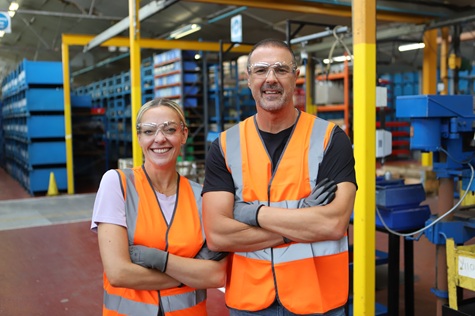
The episode showcased how the mower is made, from raw materials to assembly. The programme also delved into the development of the mower and how it has evolved over time with snippets of how lawns and sports pitches have been mown. As part of the programme there were interviews with the curators of Wembley stadium and Blenheim palace.
It was a good to see facets of our industry being portrayed on national TV. I firmly believe we need to get more coverage about the role of the grounds practitioners into the mainstream media. We should also hear more from manufacturers giving insights into what technologies are being used to maintain sports fields, gardens and estates.
As well as this, I think that prior to televised sporting events, stadium managers and grounds staff should be interviewed (post-match as well) to give an account of the work required to maintain these prestigious playing surfaces - thus shining a spotlight onto the skill sets, planning and resources required to maintain these facilities.
As we all know, recruitment of new staff into our industry is becoming more difficult and becoming a core pressure point for employers across the sector. The issues are structural (long-term demographic and skills trends) as well as operational (attracting, retaining, and developing the right workforce).
Labour shortages & workforce demographics
We are currently facing the prospect of an aging workforce and lack of younger entrants, a high proportion of experienced turf professionals nearing retirement - with insufficient numbers of younger workers entering the industry.
Fewer than one in five greenkeepers are under 30, leaving a looming gap in talent and leadership potential. The exodus of experienced staff leaves us with another problem of not having knowledgable people to mentor any new recruits.
Recruitment of apprentices is often difficult, around 80% of landscaping/turf employers report challenges finding and recruiting apprentices. Also, loss of EU labour post-Brexit has also reduced access to skilled and semi-skilled staff, especially seasonal workers.
We are also a changing industry needing modern skill expectations. Turf and grounds work increasingly requires technical literacy (e.g., precision irrigation, smart machinery, data-informed turf care) beyond traditional physical skills.
One of our biggest issues is the perception of our industry, in terms of pay and working conditions. In many cases we are still seen as grass cutters and often classed as “low-skilled manual labour,” deterring students and career-changers.
We try our best at promoting the industry via our trade organisations working in isolation but in national terms there is still a lack of industry promotion in schools, career fairs, and broader media – all of which contributes to poor awareness of career opportunities.
Our working conditions are often still not up to scratch. I still see mess rooms and workshops in total disarray with staff often treated as second class citizens.
Unfortunately outdoor, seasonal and weather-dependent jobs (early starts, physical intensity) are less attractive than office or tech roles.
Couple this with the fact that most of the positions in our industry are still low paid, with many turf roles near national minimum wage levels despite requiring technical knowledge and physical skill - it means employers struggle to compete with other sectors that offer higher pay and benefits.
People can get better wages stacking supermarket shelves and driving white vans.
It is my personal opinion that our industry must finally start working together. Collaboration is required between several of our leading industry organisations - along with some of our premier brand manufacturers.
By working together, we would be in a better position to negotiate and get government assistance to deliver a national recruitment programme that could see 5,000 youngsters per year for the next five years have a chance to come and work in our industry. Those 25,000 youngsters coming into our industry would be a game changer.
As part of the new scheme a national programme would need to be initiated to go into schools to promote the values and opportunities of coming to work in our diverse industry.

A new apprenticeship / academy scheme, funded by a collective of private and government monies, could fund a one or two-year apprentice programme that provides the opportunity for each apprentice to work at three or four placements. This could be at a golf course, machinery dealership, sports club, a manufacturer, local authority or private estate.
The course would be monitored by a governing body / local college throughout the duration of the apprenticeship.
I know many people will say that we already have this in place with youngsters coming into the industry already, but for me it is fragmented and still only drip feeding new blood into the industry.
Currently the government only pays for the education part of the apprenticeship scheme, with the employers generally paying the wages.
The government from information gained form several sources, have a large pot of money set aside - some three billion by all accounts - for apprenticeship schemes
The apprenticeship system is primarily funded through the Apprenticeship Levy, which is a 0.5 % payroll tax on large employers (with pay bills over £3m).
Estimates (from fiscal analysis) indicate that levy receipts across the UK can exceed £3.6 bn per year (significantly larger than the apprenticeship budget itself) - though not all is allocated directly to apprenticeships under current arrangements.
Surely that would be better spent to pay for both wages and training of this proposed scheme?
It may also be an opportunity to roll out this type of scheme alongside other UK industry’s needs.
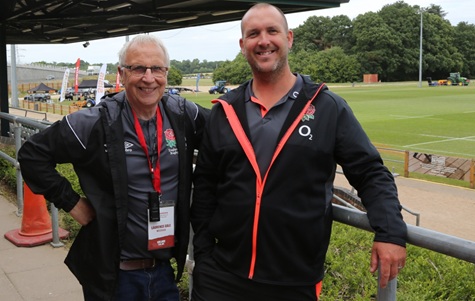
I have conducted a recent poll and asked a number of industry professionals their thoughts on our industry and they all agree that we need better collaboration between organisations to help improve the standing of the industry, particularly in the recruitment and pay and conditions of our industry. Some recent feedback we have received and published has included the thoughts of:
I have had plenty of discussions on this subject over the last few years and even arranged a meeting sponsored by Lantra that was held last year in the hope of galvanising this idea. But unfortunately, we still seem to be working in isolation.
Maybe this year things will change and finally our industry will come together to instigate the necessary changes to help recruit the next generation of industry horticulturalists, grounds managers and skilled operatives to secure the future of our diverse grounds industry.