The weather in the first few weeks of October is crucial for the successful conclusion of our end of season renovations for both cricket and bowls clubs in the UK.
Having checked a few weather sites, the historical average for this time of year generally hovers around a mean daily high of 13.9 °C, and the mean daily low about 6.8 °C.
Some general UK sources suggest daytime maxima in October is around 15 °C as a rule of thumb.
Reasonable soil temperature estimates for October are as follows
- Shallow soil (top few cm): ~9 °C to ~13 °C
- Moderate depth (10–30 cm): ~10 °C to ~14 °C
- Deeper layers (50 cm+): likely a bit higher or more stable, maybe ~12 °C to ~15 °C depending on recent weather and location
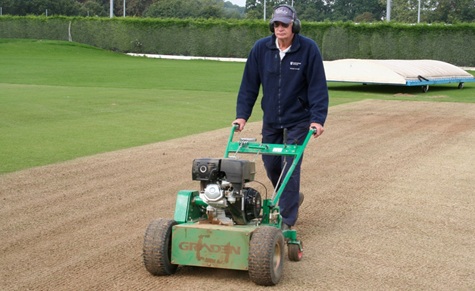
With many clubs still undertaking their renovation works, the benefit of having both soil and air temperatures in double figures will certainly help seed germination rates for any concluding renovation works.
For a summary of the forthcoming weather fronts, I usually find Mark Hunt’s weather blog well worth a read.
An end-of-season renovation is one of the most important maintenance operations for cricket pitches and bowling greens - it helps restore the playing surfaces after an arduous playing season.
The main benefits of an end of season renovation are to remove unwanted thatch levels, restore surface levels, apply a fertiliser and overseed.
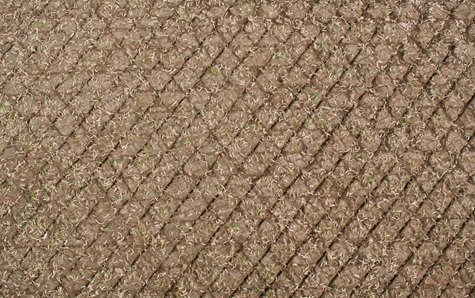
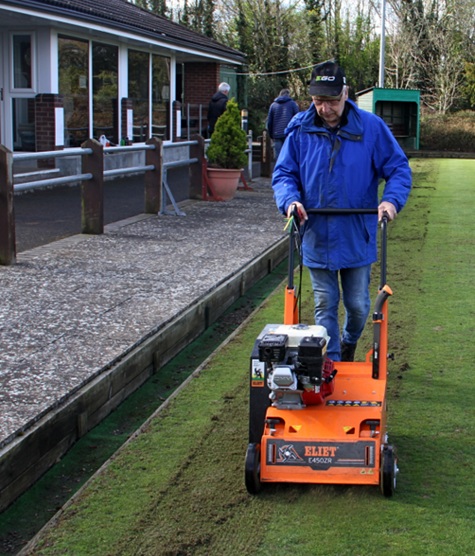
Generally, this is achieved by mowing down the sward and scarifying / fraise mowing to remove unwanted thatch vegetation – with a rule of thumb being not to allow thatch levels go above 6mm
Thatch control is vital for both cricket and bowls surfaces, as it directly affects ball performance, consistency, pace, and safety.
Acceptable thatch levels for cricket :
- Surface thatch (0–10 mm layer): Ideally less than 5 mm, and no more than 10 mm.
- A thin thatch layer (1–5 mm) can help bind the surface and retain some moisture — useful for pitch preparation.
- Too much thatch (>10 mm) traps moisture, prevents firm consolidation, causes variable bounce, and increases the risk of disease (e.g. Fusarium).
Excessive thatch effects:
- Soft, spongy surface.
- Poor ball bounce and pace.
- Difficulty achieving desired moisture content during preparation.
- Increased disease pressure and poor rooting.
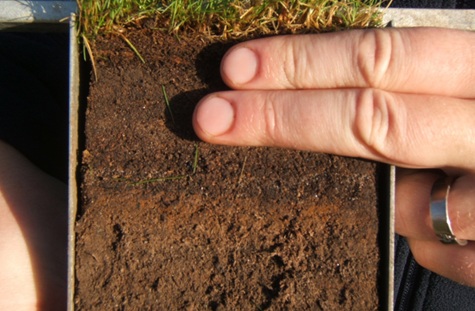
Acceptable thatch levels for bowls greens (natural turf):
- Surface thatch (0–10 mm layer):
- Ideally less than 3 mm, and absolutely no more than 5 mm.
- Bowls greens demand a firm, fast, and true surface — any significant thatch makes the surface spongy and slows the bowl.
- A minimal thatch layer (1–3 mm) can aid turf resilience, but anything thicker compromises speed and consistency.
Excessive thatch effects:
- Reduced green speed (“draggy” surface).
- Inconsistent bowl roll and bias.
- Poor drainage and surface firmness.
A typical end of season programme for cricket would see the square scarified in three directions, all debris removed, top dressed with a compatible cricket loam dressing using between 6-10 bags per pitch (60-100 bags per ten pitch square) overseeded with two bags of seed and fertilised. Based on contractor prices, you are looking at an expenditure of between £1500 -1800. That price would come down if the club did most of the work themselves.
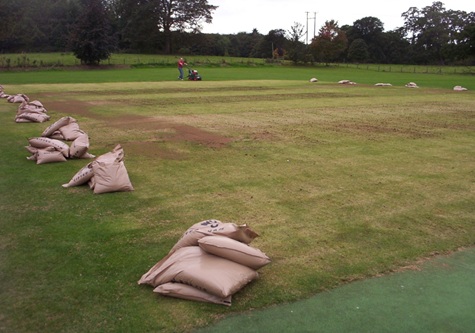
Similarly, a bowls green renovation would consist of the same operations scarifying in three directions, cleaning up debris, top dressing with a 70/ 30 sand soil or straight sand top dressing. Usually between 3-5 tonnes of top dressing per green, aeration, overseeding and applying a fertiliser. A bag of fescue and bent grass seed is about £200 a bag, so in materials alone (2 bags of seed, 2 bags of fertiliser and 3 tonne of top dressing is likely to set you back £800). Then paying for the scarifying and aeration of the green will cost another £800 or so. Again, using a contractor, the price for this work is likely to be around £1500- 2000 - that price would be reduced if you did the work yourselves.
The cost of materials has increased in recent years. Typically a bag of amenity sports turf grass seed will now set you back around £90 for a 20 kilogram bag of rye grass seed. Cricket loam per bag is around £6-8 and fertiliser is about £40 per bag, as for top dressing for bowling greens you will need to pay around £110 per tonne delivered.
All in all, clubs need to ensure they have the funds to carry out this important work. The end of season renovation is essential for the wellbeing of the playing surface.
One such contractor who been very busy with work this year is Keith Exton who runs Perfect Pitches. Keith an ex County groundsmen is renowned for his cricket pitch renovations and aeration work. He has just completed some work at Trent Bridge and is finalising his end of season programme, finishing off several grassroots clubs.
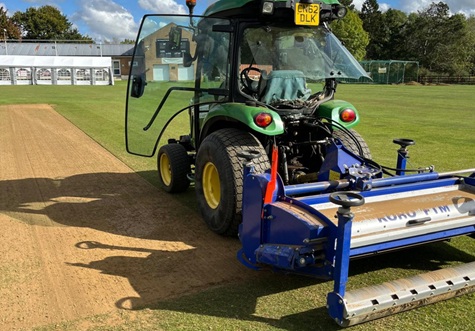
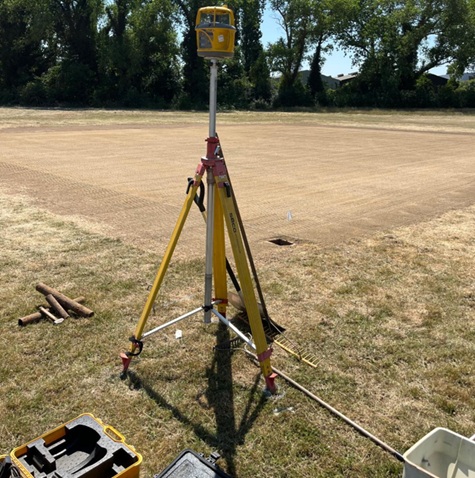
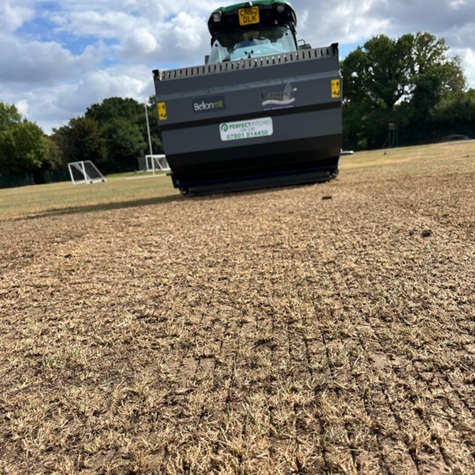
He utilises the best machinery, making good use of the fraise mower to scarify and Koro off unwanted vegetation. He also uses laser grading equipment to set levels and has developed his own technique using a Weidemann spiker to deep spike cricket squares.
The following set of photos show the depth of work that goes into a cricket square end of season renovations:
Not carrying out this work will have a detrimental effect and will mean a poor playing surface the following year.
End-of-season renovations rejuvenates the pitch by repairing wear, improving turf health, and ensuring consistent performance for future seasons.
Speaking of renovations, it is important to note that many cricket clubs would also benefit from carrying out a similar operation on their outfields. Often a quite neglected task, it may not be done because of cost and being such a large area.
So far, the weather has been kind. We are currently seeing decent soil and air temperatures, so make the most of this window of opportunity and get on with your end of season renovations whilst the weather holds out.
The worry for me is, speaking to several greenkeepers, some clubs are saying they cannot afford these costs and are resorting to reducing the amount of materials they buy. Some bowling clubs have stopped buying top dressings to reduce their costs. However, reducing the level of renovations to a bare minimum does not bode well for the future playability of the surface.
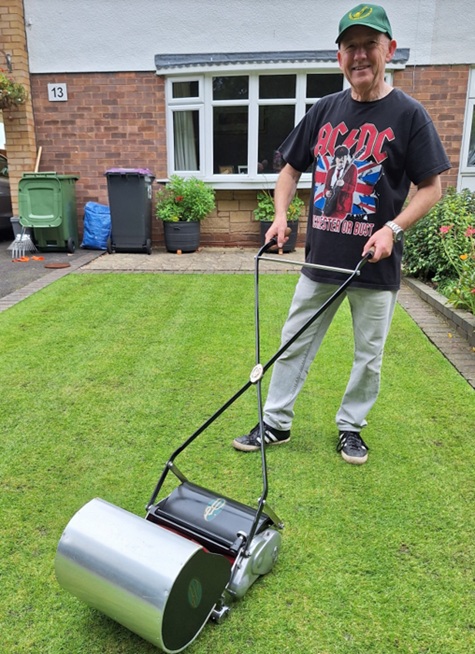
While on the subject of lawn renovations, one of my neighbours, Rob Bain is an avid collector of old mowers, he recently used one of his latest acquisitions a 11" JP Minor to mow his lawn prior to undertaking some autumn renovations.
Rob told me this mower was gifted to him and it quite a rare mower, this mower was apparently exhibited at the Southport Flower Show in Spring 1936. 90 years old and still producing great results.
As you can see from the image Rob likes to maintain a decent lawn. Let’s hope the weather stays calm and decent for all those clubs endeavouring to complete their end of season renovations.