We have all been witnessing an early splash of autumn colour, coupled with many trees and shrubs bearing berries and fruit.
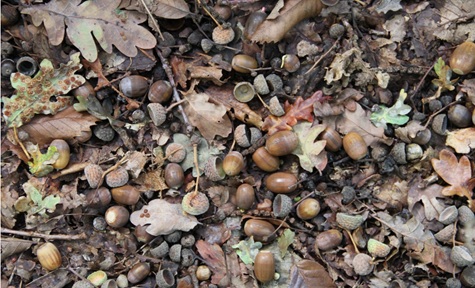
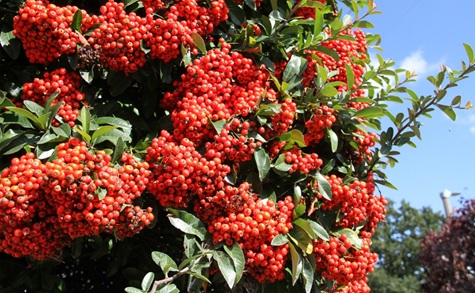
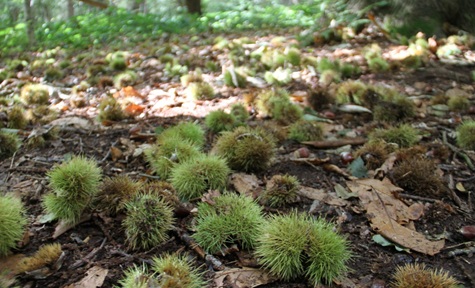
Walking through my local woods, the sheer number of acorns falling off the trees is staggering, along with sweet chestnuts. The abundance of apples and pears has again also been staggering. Only last week I had to re stake a pyracantha bush that had fallen due to the sheer weight of the berries that the plant had produced.
A BBC article I read explained many of the reasons why we can see this fruiting bonanza, saying that a combination of a warm, dry spring, followed by July and August rains, can lead to a plethora of berries.
Early ripening of berries in UK shows nature is under stress, say experts in this Guardian article that I also read.
“A lot of what we’re seeing has been caused by a very hot and very dry spring and summer, it’s been one of the driest periods on record,” the piece quotes Kathryn Brown, the director of climate change and evidence at the Wildlife Trusts. “So it feels like autumn has come early, but it’s due to the natural environment reacting to that very extreme spring and summer, which is not average conditions that our species are adapted to in terms of seasonal cycles.”
I think regardless of what winter may bring, the plentiful berries this season are a lifeline for our local wildlife. Birds, small mammals, and insects depend on these fruits to prepare for the colder months, building up their reserves and ensuring their survival.
This bounty reflects a healthy, functioning ecosystem – one where plants and animals are thriving together. It’s a sign that the countryside around us is vibrant and flourishing, providing for all who call it home.
The recent wet weather has also helped grass playing surfaces recover from the drought conditions we have experienced this summer - in fact it has been well timed for the current end of season renovations being undertaken by cricket and bowls clubs.
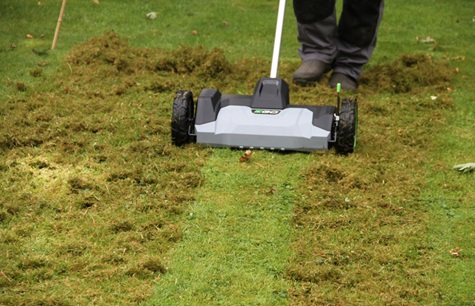
September is an ideal time to renovate your lawn - especially after the exceptionally dry period we had throughout the summer months, that created many hydrophobic conditions (dry areas) of the lawn, thus killing off a lot of grass. By carrying out a decent renovation, that involves scarifying in three directions, aerating, topdressing, overseeding and fertilising this will help restore and reinvigorate your lawn.
Elsewhere, it was great weekend of sport especially witnessing the England’s women rugby team winning the World Cup at Twickenham on a perfect playing surface prepared by an all female grounds team. Congratulations to both.

Finally, I would like to remind people of the forthcoming Amenity Forum Conference that will be held on 9th October 2025 at British Motor Museum Warwickshire.
The Amenity Forum is the UK’s industry led voluntary initiative, promoting best practice and the safe and sustainable management of weeds, pests and diseases across this very diverse and important sector.
It is funded by member organisations drawn from all sub sectors of amenity who, through this, demonstrate their commitment to their objectives and ensure the highest professional standards are maintained.
I will be there and I am looking forward to meeting many of our industry partners, companies, and people who work in our diverse land-based sector.