March is a busy month for turf professionals with winter sports coming into the final weeks of play and planning for end of season renovations.
The rugby season is coming to a close with many grass roots pitches in need of a good make-over, which should involve some deep aeration, scarification , top dressing, overseeding and fertilising.
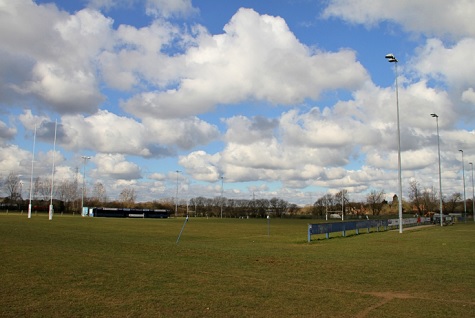
We also then have golf, bowls and cricket facilities becoming extremely busy preparing and conducting some timely spring renovations ready for their new playing seasons.
Air and soil temperatures were moving into double figures, however, the current weather front has suddenly gone cold again, bringing with it some frost and flurries of snow, on higher ground and up north. This mixed bag of weather will no doubt influence what can be done.
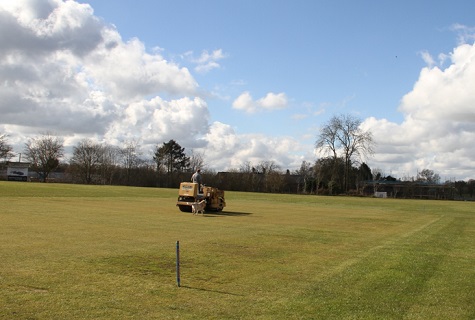
March is a terribly busy and challenging time for the cricket clubs trying to get their pitches ready for the new season, especially when the weather can put a spanner in the works. The month tends to be unpredictable with frosts, snow, rain and dry periods often experienced.
There is so much to be achieved with the onset of pre-season rolling, pitch preparations and general spring tidying up of the ground.
The ability to get these jobs done relies heavily on the paid turf professionals and volunteers who take on the responsibilities of maintaining these facilities.
To help them we now have a plethora of valuable information at hand through podcasts, websites and sports governing bodies providing information on how to look after cricket pitches. One such new site is TurfCare Blog run by Brain Sandalls.
Brian has over two decades of grounds and groundskeeping experience work ranging from golf to football, but is still very much learning daily. Brian works as a grounds manager (academy) at Sussex Cricket and as a County Pitch Advisor (cricket) and Support Pitch Advisor for the Sussex FA. In addition, he has won multiple awards for his work including grounds person of the year on five occasions. Brian has a huge passion for knowledge sharing and training and a big reason why he created TurfCareBlog
Brian has recently published some ebooks on cricket maintenance which are well worth a read.
A recent trip to visit a local cricket club shone light for me on the plight of grass roots cricket clubs who suddenly lose the services of their experienced groundsperson just before the start of a new season.
Trying to find one is near on impossible. Especially when many clubs say they can only afford to pay the minimum wage for their services.
It is a subject that is becoming more and more significant in grass roots sports clubs. We are now not seeing anywhere enough new recruits wanting to become grounds practitioners. And the other problem is that clubs do not have the resources and income to pay what I would call the going rate for an experienced, qualified grounds professional. For me clubs need to be paying close on £30-35k for a full-time ground’s person.
What makes the situation worse is many of these sports clubs are happy to pay players and coaches well to serve their clubs at the detriment of investing in the main asset the pitches.
Is it not time we finally find a way to educate and change the mindset of sports clubs and get them to see the real value and costs of maintaining sport pitches?
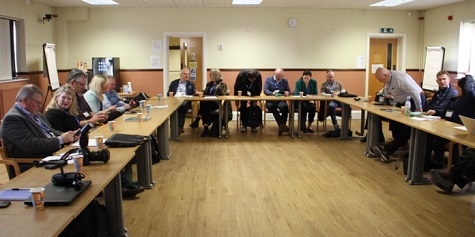
This subject leads me on to a meeting I attended last week at Lantra House, Stoneleigh Park, Warwickshire where I and twenty other industry people were focused on addressing challenges in the amenity sector - particularly recruitment, retention, and education. Key speakers included David Fisher & Susan O'Neill, Lantra; Professor John Moverley, Lantra Trustee; Olivia Callahan, GMA; and Jonathan Knowles, LCFC academy. After an introduction to the work being done and some research into providing better education needs by Lantra, we had an open debate regarding the needs of our industry.
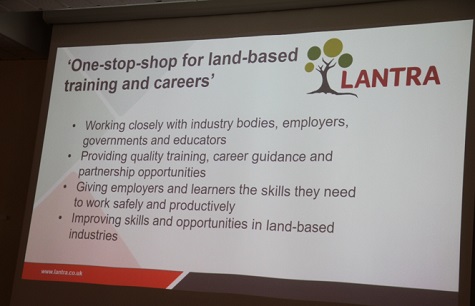
John Bevan, GMA pitch advisor, highlighted the need for better collaboration among training providers and employers to improve apprenticeship delivery. Jonathan Knowles emphasised the importance of actionable plans to enhance education and training. The group discussed the fragmented nature of the industry and the need for coordinated efforts to attract and retain talent. Many spoke about the issues of recruitment and retention.
Ellie Parry from Grounds Training spoke passionately about all the good things that have being going on for many years in terms of training providers, colleges, manufacturers and services providers, however she felt like most in the room that we are still very much a fractured industry. In terms of working together for the good of the industry, she also mentioned that there had been numerous attempts to galvanise the knowledge within the industry, but unfortunately, we still seem to be working in our own silos. Other notable people attending the day were David Withers CEO of Iseki tractors/ chairman of the AEA and director of GMA; Paul Rabbits, Chairman of Parks Management Association; Allison Bate from the Midlands Parks Forum and Tom Arnold from the UK Lawn Association.
For me personally, I have been saying for years we as an industry need to come together to achieve some key objectives that haven’t to date reached the outcomes they deserve. I am initially talking about pay and conditions and the recognition we should be getting as turf professionals. Recruitment of new blood into our industry will be paramount in the coming years.
I, like most in the room, agreed that there needs to be a coming together of the industry to help promote the values and opportunities of our diverse industry. We now need to target school leavers and, more importantly, offer them a recognised national pathway to get into the industry. This would come in the form of a promotion campaign to inform them of the diverse careers that we offer across all spectrums of our industry.
We then need to offer a choice of educational / apprentice / academy style programmes that sees them getting the appropriate working experiences and appropriate qualifications for them to be valued and secure their future working careers in this dynamic and diverse amenity industry.
The real challenge is how we can bring numerous organisations, commercial organisations and individuals together to really effect the change that's just not been possible over many years. After the meeting I got the thoughts from some of the attendees
Jonathan Knowles, head of Leicester City Football Club Sports Turf Academy - “A really valuable session – looking at and starting to problem solve these perennial issues of recruitment, retention, reward and compensation for this important work in our environment.”
Martin Sampson, Lantra technical verifier - “A great opportunity to drive industry forward together.”
Bradley Tennant, director International Greenkeepers For Hire, “A positive event with good conversation, bringing together a large industry sector.”
Ellie Parry, director, Grounds Training - "It was great to have a cross section of people from the grounds and amenity industry convene to discuss opportunities to develop and promote it, and some of the challenges it faces. There were some excellent discussions and lots of information shared, which is vital when there are many subsector groups doing great work in their specialist areas. Lantra is well placed to host this type of forum, and we were pleased to have an opportunity to contribute."
Professor John Moverley summed up the day saying he felt it was a very productive day. He said, “The outcome was an agreement to develop and implement an action plan as an integrated approach across all sub sectors and to seek full engagement of all involved.
“There was also support for further research led by Lantra so we can get an accurate assessment of the challenge and to help in engagement with policy makers and key stakeholders especially around resourcing.”
Its likely Lantra will be organising a follow up meeting and will aim to invite more organisations and industry stalwarts to attend what we would hope is finding a way to collaboratively work together to deliver the benefits of working in the amenity sector and raise the profile of our ever changing diverse and engaging industry.