EDITOR'S BLOG
INVALUABLE PUBLIC GREEN SPACES
Parks under threat
by TurfPro Editor, Laurence Gale MSC, MBPR
 
Laurence Gale MSC, MBPR

Our parks are under threat from both diminishing budgets - and, as evidenced by the recent actions of owners of Toby Carvery, vandals who do not comprehend the value of trees. 


I really enjoy this time of year, with all the trees and hedges coming into leaf and spring bedding plants and bulbs in full flower. I especially enjoy it when I have the opportunity to get out and about, visiting local authority public open spaces in my role as a Green Flag judge. 


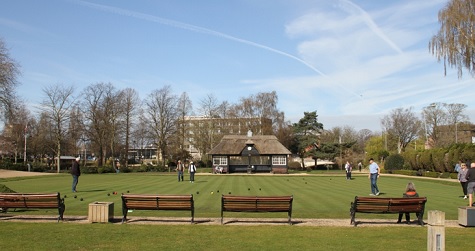
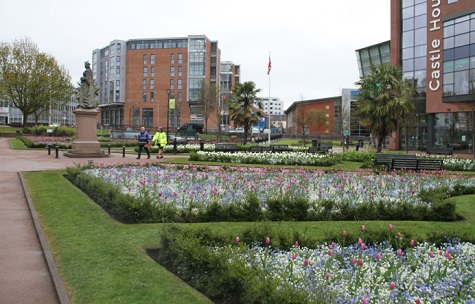
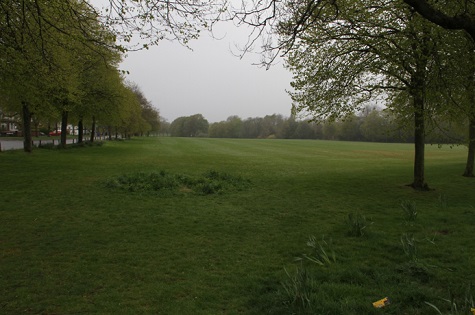
To date, I have visited three parks. Victoria Park, Stafford; Queen’s Park, Newcastle Under Lyme; and nearby Wolstanton Park. Alongside these I undertook a family visit to The Quarry, Shrewsbury to see their spring bedding displays, that are always amazing. 


The spring bedding in Queen’s Park was spectacular and a great showcase of the skills and dedication of the park’s staff. Most spring bedding displays this year have been amazing, mainly due to the sunny weather front we had in March.


As I have said on many occasions, how do we put a value on these public open spaces? They go far beyond just being “nice places to walk” - they’re essential to the well-being of individuals, communities, and the planet. 


Trees and green spaces reduce the urban heat island effect, making cities cooler and more liveable. Parks absorb air pollutants and help filter rainwater, improving local ecosystems. Even small urban parks provide crucial space for biodiversity and pollinators.


Nature exposure has been proven to lower cortisol (stress hormone) levels and improve mood. Parks encourage movement - walking, running, biking - which boosts overall health and lowers healthcare costs.


Parks often host festivals, performances, and public art that reflect a community's identity. Active, well-used public spaces can deter crime and foster a sense of safety and belonging.


In essence, parks and public open spaces are vital infrastructure - not luxuries. They contribute to healthier people, more cohesive communities, and a more sustainable environment.


However, I did read some concerning news recently of the canceling of the Quarry’s annual flower show, due to spiraling costs. This show has been in existence since way back in 1875.


As an ex-parks manager and events coordinator, I know only too well what costs can be attributed to organising and putting on large public events, especially when shows attract more than 50,000 visitors over two days. Cost can soon rack up when you are dealing with many agencies and providing many attractions and providing security, plus the costs of providing tents marquees and general cleaning up pre and post event.


These events should be making money for the council, not costing them. No doubt there will be other local authorities weighing up the costs of putting events on in their parks and public open spaces, especially as many local authorities are faced with ever decreasing budgets. 


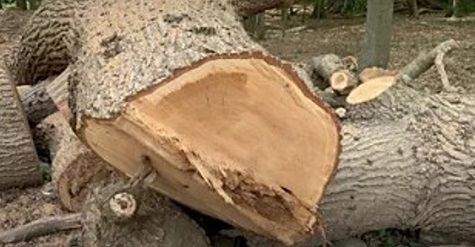
Equally disturbing news was the chopping down of a 500-year-old oak tree. The pedunculate oak, which was cut down on 3 April, was located on the edge of a Enfield council-owned park in north London and overlooked a Toby Carvery. 


Mr Urban, chief executive of M&B which owns the pub chain, wrote to residents explaining that he only became aware of what had happened at Whitewebbs Park when “it was reported on in the media".


For me, it is important that we protect these ancient trees with the relevant codes of practice, tree preservation orders and planning policies. 


In the UK, ancient trees are afforded protection through a combination of planning policy, non-statutory codes of practice, and best practice guidance. While there is no specific law that protects ancient trees purely because of their age, various codes and frameworks help safeguard them. Here are some of the key ones:


BS 5837:2012 – A British Standard that provides guidance on how trees should be considered in the planning and development process. It specifies how ancient and veteran trees must be assessed and protected during development.  Recommends minimum root protection areas and avoidance of disturbance near these trees.


National Planning Policy Framework (NPPF) – England states that development "resulting in the loss or deterioration of irreplaceable habitats (such as ancient woodland and ancient or veteran trees) should be refused, unless there are wholly exceptional reasons."


Tree Preservation Orders (TPOs) Local councils can place TPOs on ancient trees to prevent them from being cut down or damaged. It is a criminal offence to damage a tree with a TPO without permission.


Ancient Tree Inventory (ATI) Managed by the Woodland Trust, it identifies and records ancient and veteran trees. While not a legal designation, being listed can influence planning decisions and raise awareness.


UK Forestry Standard (UKFS) and Guidelines offers guidance on sustainable forest management. Includes principles for protecting ancient and veteran trees during woodland management.


Veteran Trees: A Guide to Good Management (Natural England/English Nature) A widely respected guidance document with best practice on how to manage and conserve ancient and veteran trees.


It was reported the value of that tree was immeasurable in what it was providing in terms of environmental factors - there was also a figure of £1,000,000 being quoted.


Let’s hope lessons can be learned from this felling of an ancient, important tree and appropriate procedures are adhered to prevent further such acts of vandalism.

NEWS
CHAMPIONSHIP FIRST FOR SELECTED GREENKEEPERS
Agronomy experience
 
Course preparation - credit, The R&A

In our first WEB ONLY story, BIGGA and The R&A have revealed the 10 ambitious and talented greenkeepers who will provide tournament support during five of this year’s biggest championships.


INAUGURAL INTEGRATED WEED MANAGEMENT CONFERENCE SET
Aimed at amenity sector
 
Integrated Weed Management Conference

In our next WEB ONLY story, organisers say the upcoming event couldn’t be more prescient with the recent publishing of the National Biodiversity Strategy & Action Plan and the new National Action Plan.


DEALERSHIP TO ESTABLISH NEW GROUNDCARE DEPOT
On site of fellow dealer
 
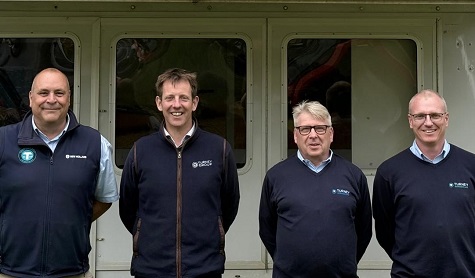
L-R: Anthony Shepherd, Jeremy Turney, Phil Bush and Andy Laing

The new facility will serve as a facility covering a newly formed Ransomes Jacobsen territory.


Turney Group, Bicester, have announced that they have agreed heads of terms with P&D Engineering (Bredon) Ltd. to establish a new depot on the existing P&D site in Bredon near Tewkesbury, Gloucestershire. 


L-R: Anthony Shepherd, Jeremy Turney, Phil Bush and Andy Laing 


Turney Group are a mainline machinery dealer within Oxfordshire and Buckinghamshire, with branches located at Middleton Stoney, Princes Risborough and Weston on the Green who, in 2023, celebrated 75 years in business.


The new trading depot will serve as a groundcare depot covering a newly formed Ransomes Jacobsen Western territory. Effective November 2024, Turney Group signed a new agreement with long term partner, Ransomes Jacobsen, to expand their territory to the south and west of their existing area of responsibility. 


Andy Laing, groundcare area sales manager, will spearhead the new operation with support from Anthony Shepherd, groundcare sales manager, and the Turney Group senior management team. 


Alongside Ransomes Jacobsen, Turney Group has been awarded the Husqvarna Pro and Can-am franchises within the new territory. There are also plans to continue with some business activities already offered by P&D Engineering Ltd for continuity with their existing customers.


Turney Group say this significant investment further strengthens their medium to long-term growth strategies and ensures future profitability for the company. 

MARKET LEADER FOR WIRE-FREE ROBOTIC MOWER SALES REVEALED
According to Euromonitor International
 
Analytics company announces "world leader"

Global analytics company has named what they describe as the "world’s No.1 brand for wire-free robotic lawn mower sales volume".


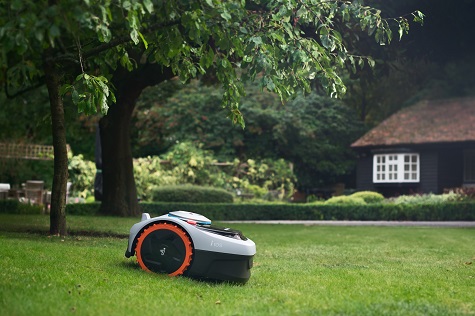
Segway Navimow, the robotic lawn mower arm of Segway, has been named as "the world’s No.1 brand for wire-free robotic lawn mower sales volume" by global analytics company Euromonitor International


The company says sales were measured across all applicable channels throughout 2024, including dealerships, Amazon, direct to consumer stores, and offline merchandise stores. Euromonitor defines a wire-free boundary robotic lawn mower as a machine used for both residential and commercial applications that operates without the need for a physical boundary wire for navigation, typically by adopting technologies such as UWB, Virtual, RTK or 3D Lidar.


Segway first entered the market in 2022 with the launch of the Navimow H Series. This was followed by the second-generation i Series in 2024, and most recently, the release of the X3 Series earlier this year.


Commenting on the news, George Ren, CEO of Segway Navimow BU, said, “A simple, wire-free setup process, alongside outstanding reliability and performance, has driven Navimow sales ever since the H Series launched three years ago. We’re incredibly proud of this achievement and the Segway Navimow team will continue striving for success, ensuring we innovate to meet the evolving needs of consumers and offer a precise, user-friendly mowing experience.” 


Graham Gilbert, vice president consulting at Euromonitor International, explained, “We scanned the wire free robotic lawn mower market and generated competitive landscape insights through a variety of methods, including expert interviews, in-store visits, and desk research. Based on the research findings, Navimow is the global NO.1 brand measured in terms of total brand sales volume in units of wire free robotic lawn mower in 2024.”


Barrus is the importer and distributor for Segway Navimow robotic mowers in the UK.

ANOTHER AODES DEALER APPOINTED
By Boss ORV
 
New Aodes dealer appointed

Distributor describes new dealer as running a great business with friendly faces and reliable service.


Boss Off-Road-Vehicles has appointed Devon tractor and machinery dealer Blakewell Services as the latest Aodes dealer.


Neil Everett with Richard Tanton


Blakewell Services is a family-run business founded by Richard Tanton, who has been in the agricultural trade since 1971. He built the business from selling and servicing tractors at home, expanding to a workshop until he outgrew the premises, and moving to Mill Road Trading Estate in Barnstable, where he continues to grow the family business. Blakewell Services has diversified over the years into horticultural, groundscare and garden machinery through purchasing other businesses and consolidating the company’s sites. 


BOSS's national sales manager, Neil Everett, said, “We’re very pleased to welcome Richard and his family as our Aodes dealer for Devon. We know they run a great business with friendly faces and reliable service and machinery."


Blakewell has also opened a farm and country stores to supply the local community with their needs for rural living. They say the new ATVs make the ideal complement to their diverse range of machinery and services. 

AWARD FOR TRADE SHOW HEAD
Tourism impact recognition
 
Kris Kiser and Mulligan

Inaugural award goes to a good friend of TurfPro who has been recognised for his outstanding dedication to host city.


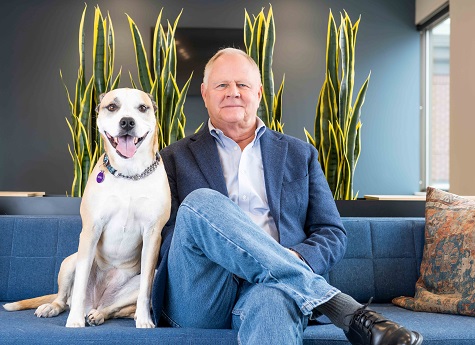
Kris Kiser, President and CEO of the Equip Exposition, the Outdoor Power Equipment Institute (OPEI) and the TurfMutt Foundation in the United States has been presented with the first-ever Louisville Tourism Impact Award in recognition of his outstanding dedication to the city.


Kris Kiser and Mulligan


Good friend of TurfPro, Kris said, "It’s a true honour to be the first recipient of this award. Louisville is now home for me, and I’m proud to be part of its continued momentum as one of the country’s most vibrant cities.”


Kris’s ties to Louisville run deep. A native of the region and a graduate of the University of Louisville School of Law, he relocated from Washington DC to Louisville in 2022. He brought the management of the Equip Exposition in-house, immediately establishing its offices in downtown Louisville, a key step in strengthening the partnership between the city and the organisation he leads. 


One of the top five largest trade shows in the United States, Equip Exposition is held each October in Louisville generates over $30 million annually for the city. Since Kris and his team took full ownership of the private show, it has seen record-breaking attendance: 25,000 in 2022, 27,000 in 2023, and 28,500 in 2024. You can view our Digital Special Report on last November's event here.


“We’re always looking for ways to promote the city,” added Kris. That support includes a recent $1 million contribution from the TurfMutt Foundation to Waterfront Park, now home to the newly-named TurfMutt Great Lawn. The Foundation has been a leading advocate for green space and outdoor learning for over 15 years, and both the Foundation and OPEI now also have an office presence in Louisville.


Last year, the Kentucky Humane Society (KHS) honored Kris with the 2024 Excellence in Philanthropy Humane Hero Award for his long-term support of the organisation and for animal rescue and rehabilitation.  

JOBS
ADVERTISE YOUR JOBS HERE
Amazing success rates!
 
Advertise your jobs on TurfPro Weekly Briefing

Advertise your recruitment needs on TurfPro Weekly Briefing and reach our targeted audience of recipients every week.

Contact Nikki Harrison for details - 01491 837117


PREVIOUS FEATURES
EDITOR'S BLOG ARCHIVE
Catch up with Laurence Gale's recent blogs
 
TurfPro editor, Laurence Gale

Want to catch up with one of editor Laurence Gale's blogs? Here is the place to do so.


TURFPRO FEATURE ARCHIVE
Find our previous features here
 
TurfPro Feature Archive

If you want to catch up with any of TurfPro's previous features, here is the place to do so.


50 YEARS OF GOLF STEWARDSHIP
Part four


REFLECTIONS ON A CAREER
A lifetime of dedication


CREATING AN INTEGRATED MANAGEMENT PLAN
Key steps


50 YEARS OF GOLF STEWARDSHIP
Part three


50 YEARS OF GOLF STEWARDSHIP
Part two


50 YEARS OF GOLF STEWARDSHIP
Part one


DEMONSTRATING AND APPLYING AN INTEGRATED APPROACH
Reviewing the tools available


CRICKET MANAGEMENT THROUGH THE DECADES
Part two


CRICKET MANAGEMENT THROUGH THE DECADES
Part one


A LOOK AT THE OPTIONS
When implementing an integrated approach


50 YEARS OF FOOTBALL MANAGEMENT
Part two


50 YEARS OF FOOTBALL MANAGEMENT
Part one


57 YEARS & COUNTING!
My life in the industry


DEMONSTRATING AND APPLYING AN INTEGRATED APPROACH
New series of articles for 2025


IMPLEMENTING SUSTAINABLE PRACTICE
Examples from across the year


VINTAGE PUSH MOWER USE
Enthusiast maintains lawn the old fashioned way


SUSTAINABLE AMENITY MANAGEMENT
Principles and practises


PLACING URBAN GREEN SPACES AT THE HEART OF INFRASTRUCTURE
Midlands Parks Forum's annual conference


RAISING THE VOICE
At the Amenity Forum's annual conference


SUSTAINABLE PARKS
Parks For London case study


WHY GRASSROOTS RUGBY IS IN DECLINE
A steady drop off in participation.


SEEDS OF SUSTAINABILITY
Focus on a major supplier of grass seed and related products to the amenity sector


ON TEST
STIHL BGA 300 cordless leaf backpack blower


ON TEST
EGO Multi-tool


PUT THEM ON THE TOOLS!
Time for an attitude change


SUSTAINABILITY IN THE TRAINING SECTOR
Grasping the challenge of encouraging more sustainable practice


SUSTAINABILITY IN LOCAL AUTHORITIES
Lessons learnt and experiences


SKILL SETS NEED RECOGNITION
Turf professionals are underappreciated


GREATER RESPECT FOR GROUNDS STAFF MIGHT MAKE ALL THE DIFFERENCE
To the recruitment crisis


A COMPETITIVE SALARY
Why employers should advertise the salary when recruiting new staff


ON TEST
Makita XGT UV001G lawn scarifier


AN EXAMPLE OF SUSTAINABILITY IN MACHINERY SUPPLY
Focus on Kubota


MY PERSONAL GREENKEEPING PHILOSOPHY HAS NEVER CHANGED
I don't follow any set program


SUSTAINABILITY IN LANDSCAPING
A substantial element of amenity activity


IS IT TIME TO SAY NO TO 'NO MOW MAY'?
Any real benefits?


SUSTAINABILITY IN OUR PARKS & PUBLIC GREEN SPACES
Meeting the challenge


THE PATH TO WIMBLEDON
For groundstaff member, Conrad Cavil


ON TEST
EGO LBP8000E backpack blower


SUSTAINABILITY IN THE LAWN CARE SECTOR
A key consideration


BEEKEEPING IN COMMERCIAL ENVIRONMENTS
The current situation


SUSTAINABLE PRACTICE IN THE AMENITY SUPPLY SECTOR
Optimising land use through integrated solutions


SUSTAINABILITY IN THE GOLF SECTOR
Focus on BIGGA


THE SEARCH FOR SUSTAINABLE PRACTICE
Bringing together key points


DEVELOPING SUSTAINABLE SOLUTIONS FOR GOLF
R&A are supporting clubs


GETTING THE MOST OUT OF EVERY POUND OF BUDGET
A course manager's view


A NEWFOUND APPRECIATION FOR ALL VOLUNTEERS
Who look after grassroots pitches


SUSTAINABILITY & THE UK ACTION PLAN
For weed, pest and disease management


CONCERN FOR PARKS FOLLOWING COUNCIL BANKRUPTCIES
What does the future hold?


TAKING A GLOBAL LOOK AT SUSTAINABILITY
Is the rest of the world also driving towards sustainable practice?


RENOVATIONS, PLAY AND THANKS
On my mind this week


SUSTAINABILITY – IMPLICATIONS FOR TRAINING & EDUCATION
Set to play a crucial role going forward


TULIP TREE
Liriodendron tulipifera


LYDIA BROOM
Genista lydia


THE LAWN AND ITS VALUE
Changing attitudes


GIANT HOGWEED
Invasive and potentially harmful


LIFE-CYCLE ANALYSIS & SUSTAINABILITY
Considering every stage of the journey


NITROGEN USE EFFICIENCY
The most important nutrient


BERBERIS THUNBERGII
A shrub that has stood the test of time


ENSURING FUTURE PROSPERITY
Advice imparted at road shows


INNOVATION & SUSTAINABILITY
A key focus


PHOTINA RED ROBIN
A sensational flowering shrub


VALUING THE GRASSROOTS
We must not overlook those who maintain these grounds


MANAGING WEEDS SUSTAINABLY
In amenity spaces


DETECTING NUTRIENT DEFICIENCY SYMPTOMS
In turf plants


SPRING RENOVATIONS UNDERWAY
A crucial period


SUSTAINABILITY IN SUPPLY
A focus on those who supply essential inputs to our sector


CHANGING CLIMATE
Is a borehole the key for clubs?


SUSTAINABILITY AT THE SHARP END
How to put into practice when budgets are tight?


ANOTHER NAIL IN THE COFFIN OF GRASSROOTS RUGBY
Clubs are struggling


SUSTAINABILITY IN PRACTICE
Seeking transparent and robust supply chains is essential


TIME FOR ACTION
To reverse recruitment crisis


CONTROLLING COSTS
Planning is crucial


THE SEARCH FOR SUSTAINABILITY
What exactly does the term mean?


CARING FOR THE GRASSROOTS
From volunteers to contractors


DEFRA IS LETTING DOWN THE COUNTRY
Complete failure to address the plastic grass debate


WE CAN ALL DO MORE
To aid biodiversity


MY LIFE IN GREENKEEPING
With Bruce Cruickshank


LEVELLING UP, GETTING SMARTER & GETTING AHEAD
Parks require so much more funding


SWITCHED ON FOR HARD WORK
Putting trimmers through their paces


MACHINERY HIGHLIGHTS
At this year's show


MY SALTEX
Daniel Lewis​, Manchester City Football Club


AWASH WITH LEARNING OPPORTUNITIES
Two months till showtime


LOOKING BACK, LOOKING FORWARD
Priorities for the amenity sector


THE DECLINE OF ‘PARKITECTURE’
A symptom of the state of parks in 2022


DEVELOPERS SHIRKING GREEN SPACE RESPONSIBILITIES
Lack of financial commitment


TIME TO COME TOGETHER
For the good of the industry


THE DEATH OF GRASS ROOTS CRICKET
Gathering apace?


ROUTES INTO THE INDUSTRY MUST BE ENSURED
Q&A with David Fisher, Lantra’s head of industry partnerships


STRONG VIEWS ON CRICKET PITCH PERFORMANCE MARKING
A bone of contention


A PREMIUM PRODUCT
Delivered at Naas Golf Club


THE GREEN REVOLUTION
And Esker Hills


MAKING A CHANGE
Laytown and Bettystown Golf Links


A DAY AT THE RACES
Naas Race Course


WORKING TOGETHER AS ONE VOICE
How the industry needs to proceed


OVER 175 YEARS OF EDUCATION
Wesley College


ELECTRIC EXCITEMENT
Dennis's Ian Howard talks electrification


THE HOME OF CORK GAA
Páirc Uí Chaoimh


LONG POLE BATTERY HEDGE TRIMMERS TESTED
STIHL HLA 66 and HLA 86


OVER 800 YEARS OF HISTORY
Johnstown Castle and Gardens


A CLUB GONE WILD
Kilkenny Golf Club


A GOLF COURSE IN THE GARDEN OF IRELAND
Woodenbridge GC


80 YEARS YOUNG
Charleville Golf Club


AN UPLIFTING EXPERIENCE
Bunclody Golf & Fishing Club


GETTING BACK TOGETHER
Albeit gradually . .


GO WEST
Inishturk GAA pitch – one of the most westerly sportspitches in Europe


WORKING ON A TIGHT BUDGET
Nenagh Golf Club


ON A MISSION
Wrekin Golf Club aiming to enrich wildlife and fauna


WILD AND WONDERFUL
Design By Nature


LEARNING HOW TO SURVIVE
Abbey Par 3


TACKLING OBESITY
Vital that schools can provide sport


A LIFETIME OF LEARNING
Vital for turf professionals


CELEBRATING 125 YEARS
Tullamore Golf Club


UNIVERSITY CHALLENGES
At Trinity College Dublin


BLENDING THE OLD WITH THE NEW
Bray Golf Club


A WELL POLISHED COURSE!
Ierne Social And Sports Club


IDENTIFYING THE TRUE VALUES
Of grounds maintenance


THE INDUSTRY WILL CHANGE & ADAPT
But it will survive


WIRRAL GOLF COURSES SAVED
Renewed hope and optimism for the future


GREEN SPACE CONTRIBUTION TO WELLBEING IS UNDERVALUED
Parks invisible on national agenda


A SHINING LIGHT IN IRELAND'S SUNNY SOUTHEAST
Wexford Golf Club


GREEN SPACES DO NOT LOOK AFTER THEMSELVES!
Keith Kent says we must invest in people


WE SHOULD TELL THE WORLD ABOUT THE UK INDUSTRY
Right time for all sides to come together


SOIL LIFE IS PRECIOUS
Good-quality soil can help save the planet


MORE THAN JUST CUTTING GRASS
Encouraging the next generation


A BUZZ FROM DOING THE JOB
Wide experience of the turf grass industry


PAYING THEIR WAY
Low wages is the bane of the industry


AMENITY MANAGEMENT IMPACTS US ALL
Professor John Moverley


CARING FOR PARKS OF ALL TYPES
Mary Worrall


TOP FIVE FRUSTRATIONS FOR CRICKET GROUNDSMEN
What causes you the most frustration in your role?


PROFESSIONALS AT THE CUTTING EDGE
Vic Demain and Phil Sharples


BOWLS CLUBS IN PERIL
A sad decline


A VERY SPECIAL INDUSTRY
Loz looks back


SNEAK PEAK AT A ROBOTIC "GAME CHANGER"
Commercial model capable of covering 50,000 m2 teased


HALESOWEN PICK A BIG ROBOT UP FRONT
Invest in mowers


COMPRESSED AERATION
The new way


PARKS MATTER MORE THAN EVER
Recent sector developments


ON TEST
STIHL blowers


THREE CORE VALUES TO SHAPE OUR INDUSTRY
Real concerns for the future


ENGLAND'S GREEN SPACE GAP
A split along racial lines


ON TEST
EGO STX3800 strimmer with RTX2300 Rotocut head


A SECTOR FACING IMPORTANT TIMES
Review of the National Action Plan


PARKS MATTER
The role of public parks in the recovery: a discussion paper


A UNIQUE SPORTING VENUE
Wormsley private estate


A BTME OUTDOORS?
A good bet for the industry


PARKS NEED APPROPRIATE POLITICAL REPRESENTATION
Q&A with Philippa Reece, Parks and Foreshore Manager at Adur and Worthing Council


CRICKET LOAM
What does it mean?


A HERCULEAN EFFORT TO GET PARKS BACK TO NORMAL
Q&A with Chris Worman, Rugby Borough Council’s parks and ground manager


ON TEST
STIHL battery products


TURFGRASS STRESS MANAGEMENT
Reactive Oxygen Species (ROS) and antioxidants during biotic and abiotic stress in turfgrass plants


AUTUMN DISEASE MANAGEMENT
The coming months are going to prove very difficult


THE ABUSE OF PARKS . .
Is the abuse of society


WHY PARKS MATTER?
A statement from the Parks Management Forum to the Prime Minister


THE 21st CENTURY PARKS MANAGER
Innovative, creative and entrepreneurial


EAT, SLEEP, CUT, REPEAT!
Cricket under covid


TIME FOR A SINGLE SHOW?
Debate brought back into focus


A CHALLENGING TWO MONTHS
Running golf design projects from home


PRESSURE SITUATION
Cementing the reputation


A CLUB TO BE PROUD OF
10 years at the helm of Olton GC


GAME CHANGERS IN TURFCARE
The day the Lord's outfield reconstruction proved its worth


THE ESSENCE OF ESSENTIAL
Finding a sensible way forward on defining "essential maintenance"


THAT WAS THE YEAR THAT WAS
2001


HOW TO LOOK AFTER A GOLF COURSE WITH NO GOLFERS
Fundamental to the survival of almost all courses, if not of the game itself


RAIN STOPPED PLAY WOULD BE WELCOME
. . along with ‘lunch is being taken early’


PHYSICAL CONTROL OF TURFGRASS PESTS
An urgent problem


A DIVERSE & ENTERTAINING WEEK
Successful BTME 2020


INTEGRATED PEST CONTROL
Opportunity to embrace new methods


ENVILLE ON THE UP
Major investments taking place


GREEN FLAG AWARDS 2019
A great success


U.S PROFESSIONAL EQUIPMENT SHOW EXCELS
Buoyant GIE+EXPO


LEGACY OF THE SOLHEIM CUP
At Gleneagles


A DAY OUT WITH THE LADIES
Behind the scenes at the Solheim Cup


COVENTRY UNIVERSITY'S EDIBLE GARDEN SUCCESS
2006 - present


HAIL THE GRASS MASTERS!
Boorish media comments about pitch quality are wide of the mark


CONTRACTOR SEES MULTI-DISCIPLINE SUCCESS
360 Ground Care serving professional facilities


BUSY TIMES
Judging the Green Flag Awards


TAKING AN INTEGRATED APPROACH
What does it all mean in managing turf surfaces?


UNDER PRESSURE
Dry weather conditions continue to keep turf managers focused on moisture management


EDDIE SEAWARD
Death of Wimbledon’s influential grounds manager


MAJOR NEW IRRIGATION PROJECT
At Top 100 classic Berkhamsted Golf Club


NEW HORIZONS FOR THE HATTERS
Investment paying off at Kenilworth Road


ELIZABETHAN RESTORATION
At Castle Bromwich Hall Gardens


WHAT IS BIOPHILIA?
The vital impact of parks and green spaces on health and well-being


WORM CONTROL
Without carbendazim


THE TRUE COST OF PETROL
Battery-powered outdoor power tools are now turning the heads of professionals


SANDS OF TIME
Sand-based pitches are now the norm in professional sports


WHY DO WE DO THE RIGHT THING?
We must maintain industry standards


CHASING GRASS PERFECTION?
11 things you need to know . . .


MAINTAINING STANDARDS
Q&A with BASIS ceo, Stephen Jacobs


STRI RESEARCH DAY 2018
Hosted at research trial grounds in Bingley


THE MECHANIC
Leicester City FC invest in new role


LORD'S 'GRASS-GUVNOR' TO RETIRE
Mick Hunt bows out after 49 years


HOLLOW CORING & DEEP SCARIFICATION
Is it really necessary?

Side Advert Image


PARTNERS
CAMPEY
 
Campey Turf Care Systems
DENNIS
 
Dennis
Foley
 
Foley Company
HUNTER GRINDERS
 
Hunter Grinders
ISEKI UK & IRELAND
 
Iseki
Kubota
 
Kubota
LANTRA
 
LANTRA
SISIS
 
Sisis
Syn-Pro
 
Syn-Pro
MAJOR
 
Major
Garden trader
 
Garden Trader
PRODUCED BY THE AD PLAIN
The Ad Plain
 
TAP
FEATURE
SUSTAINABLE PRACTICE IN THE SUPPLY OF FERTILISERS
To the amenity sector
by Professor John Moverley
 
Sustainable practice

A focus on a supplier and their commitment to sustainable practice in the production of fertilisers and other products.


In this article we focus on the company GreenBest and, in particular, focus on their commitment to sustainable practice in their production of fertilisers and other products.  I am grateful for their time in meeting me to discuss these issues and providing supporting information.


GreenBest specialise in manufacturing granular, liquid and soluble fertilisers, alongside soil conditioners, bio stimulants and wetting agents for the turf, lawn and horticultural markets. Their key objective is to manufacture fertilisers according to customer requirements, to perfectly match the conditions of turf, lawn or crop. Indeed, they are renowned for their bespoke service and knowledge of fertiliser formulations. They aim that every customer receives a tailored fertiliser, packaging and advice designed just for them.


Sustainable fertiliser production


Being more sustainable in fertiliser production is certainly not easy but GreenBest are committed to driving initiatives and processes forward to achieve it. They are committed to reducing the impact that they have on the world by increasingly decarbonising their business. GreenBest’s innovation laboratory is continuously researching how new products and technologies can be sustainable. They are however aware that being more sustainable is about economics as well as environmental and social factors. Moving to more sustainable practice needs to be planned and affordable. Of course, what could accelerate developments is policy change and legislation. However, Government are providing clear messaging which cannot be ignored.


The company is continually generating ideas and then seeks to rank them according to agreed criteria. Some are then immediately rejected but others are progressed and trialled. The ranking process, when considering fertiliser ingredients, is the EU, and soon to be UK, Carbon Adjustment Mechanism (CBAM). This considers such factors as travel miles (carbon footprint), recycling possibilities and types and source of ingredients. Opportunities to source ingredients from by products from other industries are always being considered such as organic residues from the food processing industry and ammonium sulphate from the steel industry. Thinking outside the box in this organisation is clear. For example, we all know the issues of phosphates in water, if we could catch the phosphate before it enters the water supply, all the better – more on this later.


Staying competitive


With all these things though, there remains a need for those supplying fertiliser to do so in a competitive market and at an affordable price to customers. It is a challenging issue. GreenBest is proud to be a bespoke fertiliser manufacturer, but it also needs to have some branded products. In the global marketplace branded product remains especially important and more traditional processes often more economic albeit less sustainable in terms of environmental and social impact. As a further example, in terms of organic fertiliser, there are opportunities to mine raw ingredients from the bottom of ponds in the Baltic countries, but this has expense and travel miles – is it more sustainable?


James Whittick is sales and marketing manager at GreenBest. He says ‘’reducing the environmental impact of fertilisers is very important to me and our industry. Without doubt fertilisers are causing massive damage to our plant albeit they remain essential for plant growth and what we do’’ In my discussion with him he talks further about phosphates and how they are an example of creating a one-way unbalanced problem. They are mined say in Morocco and used on our crops and amenity spaces. Some of that phosphate is retained on the ground and some in the plants or crop. The phosphates are then ingested by us from products such as bread or meat derived from the plants. Finally, we excrete it and, through our toilets, it enters the rivers. In the rivers it, along with other impurities, is causing eutrophication sometimes referred to as algae bloom. This starves the water from oxygen and is damaging to the natural balance of animal and plant life as well as a waste of phosphate, now some predicting to be run to an out of supply situation in future.


Carbon Zero Targets


A similar situation arises with urea whose manufacture relies very largely on fossil fuels. It creates emission and products from non-renewable sources. Yet urea remains a key ingredient in most branded fertilisers today. Urea also has consequences when used. There is leaching but also harmful emissions from growing plants on which it is applied. Indeed, fertiliser efficiency measured as nutrient retained in terms of applied can show up to 60% lost and more typically 40%. Whilst use in amenity can produce a slightly better picture than agriculture, it remains clear that ibn meeting carbon zero targets and reducing greenhouse gas emissions, we must seek out more sustainable solutions. In any case legislation will continue to apply that pressure.


GreenBest as a bespoke manufacturer currently uses some 300 ingredients with a great number of products. How they source ingredients in future will be crucial needing to consider economics, carbon footprint, impact on the environment and more. And of course, it will be crucial in terms of increasing legislation requirements on the use and amount of fertilisers used linked to global and national sustainability targets. There will be more organic fertilisers sometimes referred to as green. However, as this article has already highlighted, organic is not always the most sustainable especially if it requires great air miles and energy expended to produce. 


Emphasis on re-cycling


Picking up on James Whittick’s point about one-way processes there is no doubt there will be increased emphasis on re-cycling. Returning fertiliser losses to benefit in further ways or to return to further feriliser manufacture. This will involve greater capture of nutrients in water, the re-cycling of packaging by composting, the use of grass clippings in amenity situations etc. Whilst mining ingredients has done us well, it is depleting natural resources and is not generally seen as sustainable. There will be ever increasing pressure to reduce mining and seek alternatives.


In the here and now, GreenBest puts sustainable practice front and centre of its plans and operations. It will continue to innovate in sourcing and use. As mentioned, the choice of organic sources is important as long as it is truly so. Utilising by products is key as long as it is cost effective, an essential element for long term sustainability. On operational matters the organisation is addressing issues of more sustainable packaging, re-cycling the latter and being increasingly more focussed on transport and logistics.


For users of fertiliser, there needs to be emphasis on increased frequency of applications, little and often, and by these reducing losses, increasing impact and reducing environmental consequences. It is about feeding the plant not the environment. Whilst not practical currently, application at different levels to suit conditions on a daily basis would be the best. However, with further development of drone technology and Artificial intelligence, who knows what the future holds.


Conclusion


What is abundantly clear from my discussions is that GreenBest are fully committed to sustainable practice and best serving its customers going forward. As Daisy Lacey from GreenBest said in a recent presentation to the UK lawn Care association ‘ the future of fertilisers and their application relies upon research especially related to sourcing, greater flexibility of thinking in their use and the advance of application technology’ Exciting albeit challenging times are ahead.