EDITOR'S BLOG
SPRING IS ON ITS WAY
Lots of tasks to undertake
by TurfPro Editor, Laurence Gale MSC, MBPR
 
Laurence Gale MSC, MBPR

Essential maintenance can be carried out now to ensure playing surfaces are in the best condition for the upcoming season.


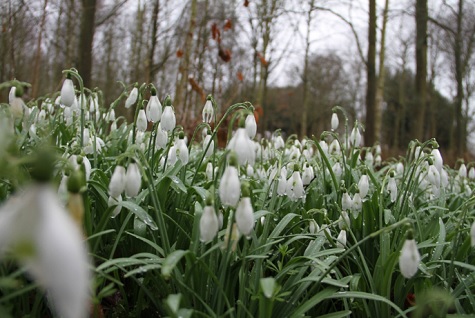
The month of February should be showing the first good signs that spring is on its way, with early flowering snow drops poking their heads above the ground.


Snowdrops (Galanthus nivalis) are often considered the first flowers of spring in the UK. They typically bloom as early as January or February, sometimes even in late December, depending on the weather. Their appearance is a sign that winter is coming to an end.


However, they are not the only early bloomers. Other early spring flowers in the UK include:

  • Winter Aconites (Eranthis hyemalis) – Bright yellow flowers that often appear around the same time as snowdrops.
  • Crocuses (Crocus spp.) – These colorful flowers bloom from late winter into early spring.
  • Primroses (Primula vulgaris) – Often appearing in February and March.
  • Lesser Celandine (Ficaria verna) – A small yellow flower that blooms early in woodlands and hedgerows.


Another early flowering plant is Winter jasmine (Jasminum nudiflorum) which typically flowers from December to March in the UK. It is one of the earliest-flowering plants, often blooming in the depths of winter, even in January and February.


Unlike other jasmines, winter jasmine is not scented, but its bright yellow flowers provide a cheerful contrast against bare winter branches. It thrives in well-drained soil and can be trained to climb walls or cascade over fences.


Because of its winter flowering habit, it's often mistaken for forsythia, which blooms later in early spring.


February is a great time to prepare your garden and start work on your lawns and sports fields.  Although the weather can still be cold and frosty, there are plenty of winter jobs to do:


General garden maintenance would include tidying up beds and borders, remove dead leaves, weeds, and debris. You can be applying some organic matter to your flower borders and beds like compost or well-rotted manure to enrich the soil.


There will no doubt be some repairs to garden structures such as fences, trellises, and paths for any winter damage. There will be plenty of shrubs, hedges and trees that will require some pruning and cutting back.


Spring is an important time for pruning, helping plants grow healthier, produce more flowers, and maintain a good shape. 


Before you start pruning ensure your tools are sharp and clean. Secateurs for small cuts, loppers for thicker branches, and a pruning saw for trees.
Try and prune on a dry day it reduces the risk of fungal infections, always cut Just above an outward-facing bud to encourage outward growth. Remove dead, diseased, and damaged branches first, this is essential for plant health.


Lawn Care


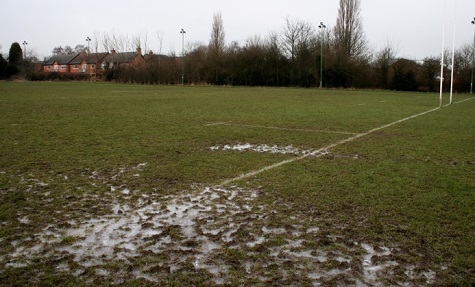
Avoid walking on frozen or waterlogged lawns – It can cause compaction and damage.


Clear moss and debris – Rake away dead leaves and aerate compacted areas.


Apply a winter lawn feed – Use a high-potash feed to strengthen grass roots.


Sports fields 


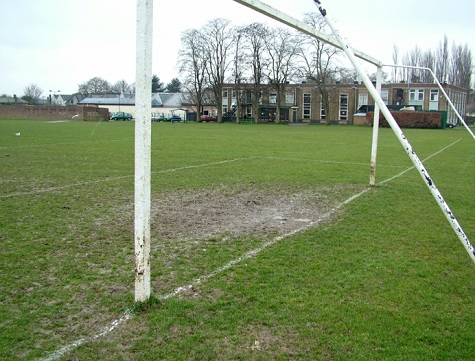
Essential maintenance can still be carried out to ensure the playing surface is in the best condition for the upcoming season.


General maintenance


•    Inspect the field for drainage issues – Look for waterlogged areas and consider aeration or sand dressing.
•    Remove debris – Clear leaves, twigs, and litter to maintain a clean playing surface.
•    Repair divots and uneven areas – Fill and level out any damaged spots caused by winter play.
•    Monitor for pests and diseases – Watch for moss, algae, and fungal diseases such as red thread or fusarium patch.


If conditions allow, mow the grass at a high setting (no lower than 25mm) to encourage healthy growth. Avoid cutting too low, as this can weaken the turf in cold conditions.


Spiking/slitting – Use a slitter or aerator to relieve compaction and improve drainage.


Apply cold-tolerant grass seed to high-wear areas (e.g., goalmouths, centre circles). Protect newly seeded areas with germination sheets or light topdressing.


Apply a low-nitrogen, high-phosphorus & potassium winter feed to strengthen root growth.


Remove moss manually or apply an iron-based treatment if moss is spreading.


Hand-remove weeds where necessary (chemical applications should be minimal in winter).


Pitch Protection & Preparation


Rotate goalmouths for training to prevent excessive wear in one area.


Replace worn goalmouth turf or add grass reinforcement mats to high-wear areas.


Move portable goals and rotate training drills to spread wear evenly.


Cricket


Again, clear leaves and tree debris off the outfield and square. Aerate the outfield to improve drainage and apply a winter feed once soil and air temperatures go above 7 degrees.


Tennis & Multi-Sport Courts 


Brush and clean artificial surfaces to prevent moss and algae buildup.


Check fencing, nets, and posts for winter damage.


Machinery & Equipment Checks


Inspect and service mowers, rollers, and aerators before spring use.


Sharpen blades, check fuel levels, and replace worn parts.


Clean line-marking machines and ensure they are ready for the new season.


Check and Repair Goalposts, Nets & Fences


Planning for Spring & the New Season


Set up a maintenance schedule - Plan fertilising, overseeding, and spring renovations.


Order materials early - Stock up on grass seed, fertiliser, topdressing, and line-marking paint.


Arrange team meetings - If managing a club, discuss pitch rotations and fixture schedules to avoid overuse.

NEWS
BIGGA'S NEW THREE-PRONGED STRATEGY
Key pillars revealed
 
BIGGA's Jim Croxton at BTME

In our first WEB ONLY story the Association has unveiled a three-pronged strategy that they say will further advance ambitions in its role as a prominent figurehead within the golf industry. 


#GROUNDSWEEK SET TO RETURN
Bigger than ever, claim organisers
 

In our next WEB ONLY story the annual nationwide celebration of the incredible people behind the scenes who ensure our playing surfaces and green spaces are in top condition set to return.


DEALERSHIP DOES THE TREBLE!
In Baroness’s awards
 
The team collect their awards on the Baroness stand at BTME 2025

Baroness UK celebrated their dealers’ achievements at BTME with the return of their annual dealer awards - with one company picking up three honours!


Baroness UK celebrated their dealers’ achievements at BTME 2025 with the return of their annual dealer awards. 


The Lister Wilder team collect their awards on the Baroness stand at BTME 2025


For the first time, the three categories of Highest Overall Machinery Sales, Highest Growth in Machinery Sales and Salesperson of the Year we’re all won by the team at Lister Wilder.


The Baroness UK dealer awards were introduced to recognise the outstanding individual and team efforts across the nationwide network. Lister Wilder emerged as the winners of all three categories – achieving the treble and clean-sweep for the very first time. Alongside the team awards for overall sales and highest growth in machinery sales, the individual ‘Salesperson of the Year’ award was presented to Lister Wilder’s David Gray. 


David Gray receives his award from Luke Collins


“It was a huge surprise, and an incredible honour to find out we’d scooped all three awards” comments Phill Hughes, sales director for Lister Wilder. “I am especially pleased for David Gray who has championed Baroness and shown his total dedication to our golf customers over the last twelve months. This recognition goes some way to reward him for all the hard work he’s put in. Of course, we couldn’t achieve what we have without the support of Team Baroness and our aftersales departments, so we’d like to thank them all as we look ahead to another positive year.” 


Baroness UK sales director Adam Butler added, “All of our dealers have put in an incredible effort throughout 2024 and it becoming our best year yet would simply not have been possible without the unwavering commitment of our entire network.


“We continue to strive for the very best equipment matched by world-leading backup, and we’re getting there year-on-year. The whole team at Baroness UK extend huge congratulations to David and the Lister Wilder team and thank all of our dealers and customers for their unwavering and ongoing support.”

AVANT AWARD THEIR NETWORK
Top dealers recognised
 
Avant's dealer winners

Manufacturer's awards ceremony showcased dealership success across various categories.


The 2025 Avant Tecno Dealer Awards recently brought together the top-performing dealers and sales teams from across the UK to celebrate their outstanding achievements. 


Hosted at the All Saints Hotel in Bury St Edmunds, the manufacturer said the event highlighted the pivotal role that dealers play in their continued growth and success.


The Awards followed a day where dealers were given an exclusive tour of the company's brand-new headquarters in Bury St Edmunds. Designed to enhance operations, the 32,200 sq ft facility boasts modern offices, a spacious showroom, dedicated training spaces, an advanced warehouse, and a cutting-edge technical workshop. 


The evening Awards ceremony was a celebration of the hard work, dedication, and achievements of Avant’s dealers over the past year. This year’s winners showcased success across various categories:

Essener Equipment stood out as a top performer, earning both Dealer of the Year and Most Machines Sold, while their managing director Chris Slane secured the Sales Competition Winner title.


Avant Tecno UK managing director Raimo Ala-Korpi emphasised the importance of Avant’s dealer network. “Our dealers are more than just partners,” he said. “Their expertise, dedication, and passion for our products are what enable us to grow and deliver exceptional value to our customers. These awards are a way of acknowledging their tremendous efforts.”

CONGLETON GARDEN MACHINERY AWARDED
Scoops manufacturer's top prize
 
The Congleton team with their award

The dealership expressed their sincere gratitude to their greatly valued customers for their ongoing support and trust.


Polaris recently held a meeting for their dealers from across the UK to celebrate their successes of 2024 within a fiercely competitive market.


The Congleton team with their award


At this celebration the National 2024 Polaris Top Sales Performance Award was presented to Congleton Garden Machinery Ltd for their outstanding sales of UTV, quad bike and youth ATVs.


The dealership's director, Andrew Meek said, "This achievement was a direct result of the hard work, dedication and collaboration of each team member. Their passion and total commitment has been instrumental in gaining this major accolade."
 
Andrew continued, "We would also like to express our sincere gratitude to our greatly valued customers. Their ongoing support and trust are the cornerstone of our success.


"The Congleton Garden Machinery team are proud of what we have accomplished in 2024 and look forward to supporting our customers during our continued growth and future success, through 2025 and beyond."

JOBS
ADVERTISE YOUR JOBS HERE
Amazing success rates!
 
Advertise your jobs on TurfPro Weekly Briefing

Advertise your recruitment needs on TurfPro Weekly Briefing and reach our targeted audience of recipients every week.

Contact Nikki Harrison for details - 01491 837117


PREVIOUS FEATURES
EDITOR'S BLOG ARCHIVE
Catch up with Laurence Gale's recent blogs
 
TurfPro editor, Laurence Gale

Want to catch up with one of editor Laurence Gale's blogs? Here is the place to do so.


TURFPRO FEATURE ARCHIVE
Find our previous features here
 
TurfPro Feature Archive

If you want to catch up with any of TurfPro's previous features, here is the place to do so.


57 YEARS & COUNTING!
My life in the industry


DEMONSTRATING AND APPLYING AN INTEGRATED APPROACH
New series of articles for 2025


IMPLEMENTING SUSTAINABLE PRACTICE
Examples from across the year


VINTAGE PUSH MOWER USE
Enthusiast maintains lawn the old fashioned way


SUSTAINABLE AMENITY MANAGEMENT
Principles and practises


PLACING URBAN GREEN SPACES AT THE HEART OF INFRASTRUCTURE
Midlands Parks Forum's annual conference


RAISING THE VOICE
At the Amenity Forum's annual conference


SUSTAINABLE PARKS
Parks For London case study


WHY GRASSROOTS RUGBY IS IN DECLINE
A steady drop off in participation.


SEEDS OF SUSTAINABILITY
Focus on a major supplier of grass seed and related products to the amenity sector


ON TEST
STIHL BGA 300 cordless leaf backpack blower


ON TEST
EGO Multi-tool


PUT THEM ON THE TOOLS!
Time for an attitude change


SUSTAINABILITY IN THE TRAINING SECTOR
Grasping the challenge of encouraging more sustainable practice


SUSTAINABILITY IN LOCAL AUTHORITIES
Lessons learnt and experiences


SKILL SETS NEED RECOGNITION
Turf professionals are underappreciated


GREATER RESPECT FOR GROUNDS STAFF MIGHT MAKE ALL THE DIFFERENCE
To the recruitment crisis


A COMPETITIVE SALARY
Why employers should advertise the salary when recruiting new staff


ON TEST
Makita XGT UV001G lawn scarifier


AN EXAMPLE OF SUSTAINABILITY IN MACHINERY SUPPLY
Focus on Kubota


MY PERSONAL GREENKEEPING PHILOSOPHY HAS NEVER CHANGED
I don't follow any set program


SUSTAINABILITY IN LANDSCAPING
A substantial element of amenity activity


IS IT TIME TO SAY NO TO 'NO MOW MAY'?
Any real benefits?


SUSTAINABILITY IN OUR PARKS & PUBLIC GREEN SPACES
Meeting the challenge


THE PATH TO WIMBLEDON
For groundstaff member, Conrad Cavil


ON TEST
EGO LBP8000E backpack blower


SUSTAINABILITY IN THE LAWN CARE SECTOR
A key consideration


BEEKEEPING IN COMMERCIAL ENVIRONMENTS
The current situation


SUSTAINABLE PRACTICE IN THE AMENITY SUPPLY SECTOR
Optimising land use through integrated solutions


SUSTAINABILITY IN THE GOLF SECTOR
Focus on BIGGA


THE SEARCH FOR SUSTAINABLE PRACTICE
Bringing together key points


DEVELOPING SUSTAINABLE SOLUTIONS FOR GOLF
R&A are supporting clubs


GETTING THE MOST OUT OF EVERY POUND OF BUDGET
A course manager's view


A NEWFOUND APPRECIATION FOR ALL VOLUNTEERS
Who look after grassroots pitches


SUSTAINABILITY & THE UK ACTION PLAN
For weed, pest and disease management


CONCERN FOR PARKS FOLLOWING COUNCIL BANKRUPTCIES
What does the future hold?


TAKING A GLOBAL LOOK AT SUSTAINABILITY
Is the rest of the world also driving towards sustainable practice?


RENOVATIONS, PLAY AND THANKS
On my mind this week


SUSTAINABILITY – IMPLICATIONS FOR TRAINING & EDUCATION
Set to play a crucial role going forward


TULIP TREE
Liriodendron tulipifera


LYDIA BROOM
Genista lydia


THE LAWN AND ITS VALUE
Changing attitudes


GIANT HOGWEED
Invasive and potentially harmful


LIFE-CYCLE ANALYSIS & SUSTAINABILITY
Considering every stage of the journey


NITROGEN USE EFFICIENCY
The most important nutrient


BERBERIS THUNBERGII
A shrub that has stood the test of time


ENSURING FUTURE PROSPERITY
Advice imparted at road shows


INNOVATION & SUSTAINABILITY
A key focus


PHOTINA RED ROBIN
A sensational flowering shrub


VALUING THE GRASSROOTS
We must not overlook those who maintain these grounds


MANAGING WEEDS SUSTAINABLY
In amenity spaces


DETECTING NUTRIENT DEFICIENCY SYMPTOMS
In turf plants


SPRING RENOVATIONS UNDERWAY
A crucial period


SUSTAINABILITY IN SUPPLY
A focus on those who supply essential inputs to our sector


CHANGING CLIMATE
Is a borehole the key for clubs?


SUSTAINABILITY AT THE SHARP END
How to put into practice when budgets are tight?


ANOTHER NAIL IN THE COFFIN OF GRASSROOTS RUGBY
Clubs are struggling


SUSTAINABILITY IN PRACTICE
Seeking transparent and robust supply chains is essential


TIME FOR ACTION
To reverse recruitment crisis


CONTROLLING COSTS
Planning is crucial


THE SEARCH FOR SUSTAINABILITY
What exactly does the term mean?


CARING FOR THE GRASSROOTS
From volunteers to contractors


DEFRA IS LETTING DOWN THE COUNTRY
Complete failure to address the plastic grass debate


WE CAN ALL DO MORE
To aid biodiversity


MY LIFE IN GREENKEEPING
With Bruce Cruickshank


LEVELLING UP, GETTING SMARTER & GETTING AHEAD
Parks require so much more funding


SWITCHED ON FOR HARD WORK
Putting trimmers through their paces


MACHINERY HIGHLIGHTS
At this year's show


MY SALTEX
Daniel Lewis​, Manchester City Football Club


AWASH WITH LEARNING OPPORTUNITIES
Two months till showtime


LOOKING BACK, LOOKING FORWARD
Priorities for the amenity sector


THE DECLINE OF ‘PARKITECTURE’
A symptom of the state of parks in 2022


DEVELOPERS SHIRKING GREEN SPACE RESPONSIBILITIES
Lack of financial commitment


TIME TO COME TOGETHER
For the good of the industry


THE DEATH OF GRASS ROOTS CRICKET
Gathering apace?


ROUTES INTO THE INDUSTRY MUST BE ENSURED
Q&A with David Fisher, Lantra’s head of industry partnerships


STRONG VIEWS ON CRICKET PITCH PERFORMANCE MARKING
A bone of contention


A PREMIUM PRODUCT
Delivered at Naas Golf Club


THE GREEN REVOLUTION
And Esker Hills


MAKING A CHANGE
Laytown and Bettystown Golf Links


A DAY AT THE RACES
Naas Race Course


WORKING TOGETHER AS ONE VOICE
How the industry needs to proceed


OVER 175 YEARS OF EDUCATION
Wesley College


ELECTRIC EXCITEMENT
Dennis's Ian Howard talks electrification


THE HOME OF CORK GAA
Páirc Uí Chaoimh


LONG POLE BATTERY HEDGE TRIMMERS TESTED
STIHL HLA 66 and HLA 86


OVER 800 YEARS OF HISTORY
Johnstown Castle and Gardens


A CLUB GONE WILD
Kilkenny Golf Club


A GOLF COURSE IN THE GARDEN OF IRELAND
Woodenbridge GC


80 YEARS YOUNG
Charleville Golf Club


AN UPLIFTING EXPERIENCE
Bunclody Golf & Fishing Club


GETTING BACK TOGETHER
Albeit gradually . .


GO WEST
Inishturk GAA pitch – one of the most westerly sportspitches in Europe


WORKING ON A TIGHT BUDGET
Nenagh Golf Club


ON A MISSION
Wrekin Golf Club aiming to enrich wildlife and fauna


WILD AND WONDERFUL
Design By Nature


LEARNING HOW TO SURVIVE
Abbey Par 3


TACKLING OBESITY
Vital that schools can provide sport


A LIFETIME OF LEARNING
Vital for turf professionals


CELEBRATING 125 YEARS
Tullamore Golf Club


UNIVERSITY CHALLENGES
At Trinity College Dublin


BLENDING THE OLD WITH THE NEW
Bray Golf Club


A WELL POLISHED COURSE!
Ierne Social And Sports Club


IDENTIFYING THE TRUE VALUES
Of grounds maintenance


THE INDUSTRY WILL CHANGE & ADAPT
But it will survive


WIRRAL GOLF COURSES SAVED
Renewed hope and optimism for the future


GREEN SPACE CONTRIBUTION TO WELLBEING IS UNDERVALUED
Parks invisible on national agenda


A SHINING LIGHT IN IRELAND'S SUNNY SOUTHEAST
Wexford Golf Club


GREEN SPACES DO NOT LOOK AFTER THEMSELVES!
Keith Kent says we must invest in people


WE SHOULD TELL THE WORLD ABOUT THE UK INDUSTRY
Right time for all sides to come together


SOIL LIFE IS PRECIOUS
Good-quality soil can help save the planet


MORE THAN JUST CUTTING GRASS
Encouraging the next generation


A BUZZ FROM DOING THE JOB
Wide experience of the turf grass industry


PAYING THEIR WAY
Low wages is the bane of the industry


AMENITY MANAGEMENT IMPACTS US ALL
Professor John Moverley


CARING FOR PARKS OF ALL TYPES
Mary Worrall


TOP FIVE FRUSTRATIONS FOR CRICKET GROUNDSMEN
What causes you the most frustration in your role?


PROFESSIONALS AT THE CUTTING EDGE
Vic Demain and Phil Sharples


BOWLS CLUBS IN PERIL
A sad decline


A VERY SPECIAL INDUSTRY
Loz looks back


SNEAK PEAK AT A ROBOTIC "GAME CHANGER"
Commercial model capable of covering 50,000 m2 teased


HALESOWEN PICK A BIG ROBOT UP FRONT
Invest in mowers


COMPRESSED AERATION
The new way


PARKS MATTER MORE THAN EVER
Recent sector developments


ON TEST
STIHL blowers


THREE CORE VALUES TO SHAPE OUR INDUSTRY
Real concerns for the future


ENGLAND'S GREEN SPACE GAP
A split along racial lines


ON TEST
EGO STX3800 strimmer with RTX2300 Rotocut head


A SECTOR FACING IMPORTANT TIMES
Review of the National Action Plan


PARKS MATTER
The role of public parks in the recovery: a discussion paper


A UNIQUE SPORTING VENUE
Wormsley private estate


A BTME OUTDOORS?
A good bet for the industry


PARKS NEED APPROPRIATE POLITICAL REPRESENTATION
Q&A with Philippa Reece, Parks and Foreshore Manager at Adur and Worthing Council


CRICKET LOAM
What does it mean?


A HERCULEAN EFFORT TO GET PARKS BACK TO NORMAL
Q&A with Chris Worman, Rugby Borough Council’s parks and ground manager


ON TEST
STIHL battery products


TURFGRASS STRESS MANAGEMENT
Reactive Oxygen Species (ROS) and antioxidants during biotic and abiotic stress in turfgrass plants


AUTUMN DISEASE MANAGEMENT
The coming months are going to prove very difficult


THE ABUSE OF PARKS . .
Is the abuse of society


WHY PARKS MATTER?
A statement from the Parks Management Forum to the Prime Minister


THE 21st CENTURY PARKS MANAGER
Innovative, creative and entrepreneurial


EAT, SLEEP, CUT, REPEAT!
Cricket under covid


TIME FOR A SINGLE SHOW?
Debate brought back into focus


A CHALLENGING TWO MONTHS
Running golf design projects from home


PRESSURE SITUATION
Cementing the reputation


A CLUB TO BE PROUD OF
10 years at the helm of Olton GC


GAME CHANGERS IN TURFCARE
The day the Lord's outfield reconstruction proved its worth


THE ESSENCE OF ESSENTIAL
Finding a sensible way forward on defining "essential maintenance"


THAT WAS THE YEAR THAT WAS
2001


HOW TO LOOK AFTER A GOLF COURSE WITH NO GOLFERS
Fundamental to the survival of almost all courses, if not of the game itself


RAIN STOPPED PLAY WOULD BE WELCOME
. . along with ‘lunch is being taken early’


PHYSICAL CONTROL OF TURFGRASS PESTS
An urgent problem


A DIVERSE & ENTERTAINING WEEK
Successful BTME 2020


INTEGRATED PEST CONTROL
Opportunity to embrace new methods


ENVILLE ON THE UP
Major investments taking place


GREEN FLAG AWARDS 2019
A great success


U.S PROFESSIONAL EQUIPMENT SHOW EXCELS
Buoyant GIE+EXPO


LEGACY OF THE SOLHEIM CUP
At Gleneagles


A DAY OUT WITH THE LADIES
Behind the scenes at the Solheim Cup


COVENTRY UNIVERSITY'S EDIBLE GARDEN SUCCESS
2006 - present


HAIL THE GRASS MASTERS!
Boorish media comments about pitch quality are wide of the mark


CONTRACTOR SEES MULTI-DISCIPLINE SUCCESS
360 Ground Care serving professional facilities


BUSY TIMES
Judging the Green Flag Awards


TAKING AN INTEGRATED APPROACH
What does it all mean in managing turf surfaces?


UNDER PRESSURE
Dry weather conditions continue to keep turf managers focused on moisture management


EDDIE SEAWARD
Death of Wimbledon’s influential grounds manager


MAJOR NEW IRRIGATION PROJECT
At Top 100 classic Berkhamsted Golf Club


NEW HORIZONS FOR THE HATTERS
Investment paying off at Kenilworth Road


ELIZABETHAN RESTORATION
At Castle Bromwich Hall Gardens


WHAT IS BIOPHILIA?
The vital impact of parks and green spaces on health and well-being


WORM CONTROL
Without carbendazim


THE TRUE COST OF PETROL
Battery-powered outdoor power tools are now turning the heads of professionals


SANDS OF TIME
Sand-based pitches are now the norm in professional sports


WHY DO WE DO THE RIGHT THING?
We must maintain industry standards


CHASING GRASS PERFECTION?
11 things you need to know . . .


MAINTAINING STANDARDS
Q&A with BASIS ceo, Stephen Jacobs


STRI RESEARCH DAY 2018
Hosted at research trial grounds in Bingley


THE MECHANIC
Leicester City FC invest in new role


LORD'S 'GRASS-GUVNOR' TO RETIRE
Mick Hunt bows out after 49 years


HOLLOW CORING & DEEP SCARIFICATION
Is it really necessary?

Side Advert Image


PARTNERS
CAMPEY
 
Campey Turf Care Systems
DENNIS
 
Dennis
Foley
 
Foley Company
HUNTER GRINDERS
 
Hunter Grinders
ISEKI UK & IRELAND
 
Iseki
Kubota
 
Kubota
LANTRA
 
LANTRA
SISIS
 
Sisis
MAJOR
 
Major
Garden trader
 
Garden Trader
PRODUCED BY THE AD PLAIN
The Ad Plain
 
TAP
FEATURE
50 YEARS OF FOOTBALL MANAGEMENT
Part one
by Laurence Gale, TurfPro editor
 

The first of my new series delves into the transformation of football playing surfaces and their management, as well as the innovation of certain products and services.


Over the course of the next twelve months, I will be delving into many of my memories, and excursions undertaken, to highlight the management and maintenance our unique sports turf and amenity and landscape sectors. 


I will begin the series with a selection of articles about the progress and development seen in many of our sporting pastimes. This will include football, rugby, cricket, golf, bowls, tennis and horse racing.


After covering these sports, I will talk about the changes seen in local authorities, manufacturers, contracting and other service providers. 


Each article will portray what I believe are significant developments seen in each sector over the last 50 years in terms of people, skills, machinery, products and services. 


The first of this series will delve into the transformation of football playing surfaces and their management, as well as the innovation of certain products and services that have helped attain these near on perfect playing surfaces at most professional football clubs.
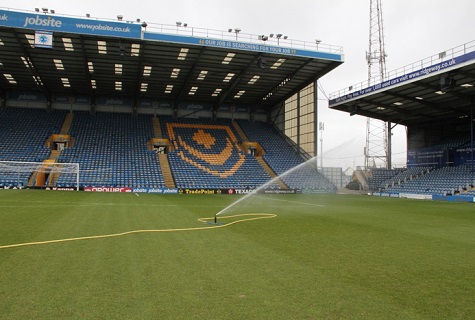
 

Portsmouth FC 


Things were very basic when I was HG at Portsmouth FC back then in 1983. Portsmouth had just been promoted back into the second division, with Bobby Cambell the manager at the time. I remember joining the club and was working with assistant Brian Regan who had been at the club for several years, working under the legend player-come-groundsman, Douggie Reid, who was said to be able to take a mean penalty wearing wellies. Dougie played for Portsmouth from 1946 -1956 and in 1958 he returned to Pompey as a groundsman until he retired in 1978.


Maintenance of the pitch was very basic back then, effectively mowing every other day, spiking and brushing and feeding with some very limited fertiliser products, generally a 20.10 10, NPK ratio fertilise. We had two very old Dennis mowers and an  Atco as a spare mower. We did not have a line marker; we marked the pitch using a four-inch paint brush and a can of whiting. One of the first purchases I made was a dimple line marker. After matches we would spend three days devoting, mowing and prepping for the next game.


Most clubs back then were operating under similar regimes and, with most pitches being soil based, they were prone to waterlogging and cutting up during the winter months. 
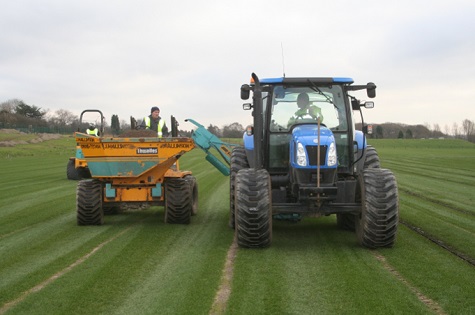


Mallinsons contractors draining a football field 


It was from the mid-1980s that we started to see clubs’ pitches improve with investment in new construction and drainage schemes that were coming onto the market. In 1982 we saw the first club, QPR, to invest in a complete artificial pitch at Loftus Road. A sand filled carpet system that provided many talking points. After several complaints and concerns it was removed in 1988 and replaced with a natural turf pitch.


New, efficient ways of installing drainage pipes were being developed, with specialist machines that could excavate narrow trenches and lay a perforated length of pipe, speeding up the process with less surface damage being caused by the work being undertaken. In fact, once the pipes were in and backfilled, the pitch was essentially playable within a couple of weeks of the work being completed. 


From the 1990s we saw a plethora of new pitch innovations with the development of sand / soil rootzones pitches being laid over comprehensive drainage systems. We saw the use of fibre sand, hybrid pitches with the invention of the Desso pitches and latterly with SIS pitches and others bringing to the other reinforced stabilised pitch systems.
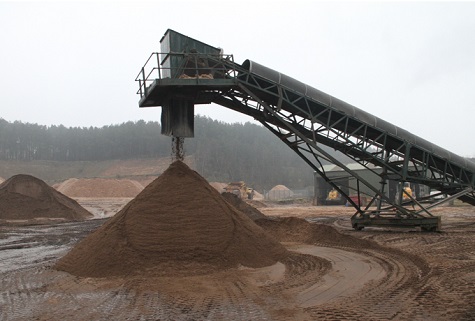


Mansfield Sand quarry 


Mansfield Sand have for over 30 years, provided a wide range of sand, fibre sand and rootzone products for the amelioration and construction of natural grass pitches.


The principle of a hybrid pitch is simple. A small amount of synthetic, twisted yarn is stitched into a traditional, natural grass pitch to reinforce it. As the grass grows, it intertwines with the synthetic fabric, strengthening the surface and improving stability. The yarn also speeds up the recovery of the grass sward, allows better drainage and increases durability – enabling the pitches to be used more frequently.


We also saw the investment from several land drainage contractors setting up to cope with this new demand. 


Rob McDonald ( White Horse Contractors ) and Roger Longin (Agripower) along with MJ Abbott and Speedcut were some of the first contractors to get involved. The likes of Brian D Pierson and John Mallison, as well as others like Phil Day, Keith Porter, Simon Hutton (Fine Turf), Carl Pass (Premier Pitches) and Melvyn Taylor (Turfdry) all took up the mantel of providing specialist services, including construction, renovation and maintenance regimes to ensure pitches were fit for purpose. 
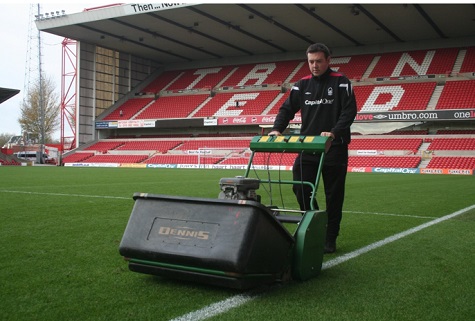


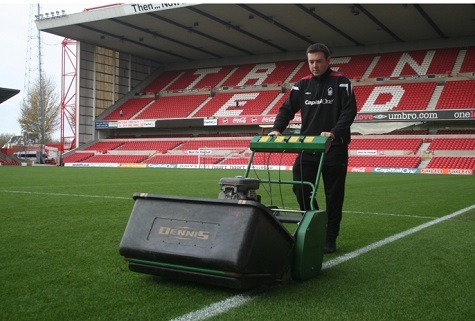
Ewan Hunter, Nottingham Forrest mowing the stadium pitch with a Dennis mower


These pitch improvements were further helped by the fact that new and better machinery was being brought to market. 


The predominate choice of mowers that were and are still used in stadium environments include Dennis, Atco, Allett and more recently, Infinicut. All tend to be walk behind cylinder mowers, as they leave a lighter footprint than other types of mower, such tractor mounted, trial gang mowers or triple mowers. 
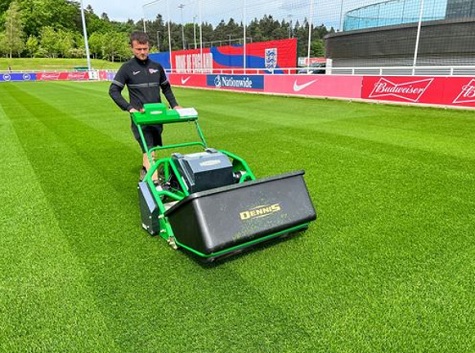
 

Dennis ES Mower at St Georges Park courtesy of Dennis Mowers 


One of the most popular mowers used in stadiums all around the world are the Dennis G660, G760 and G860. Dennis now offers both petrol and battery powered versions of their popular G series cylinder mowers, along with the twin rotary Pro 34R and battery equivalent ES34R mowers that are used for both cutting and cleaning up surface debris after games.


Also the Dennis G series has the ability to change cassettes, offering the user a brush, scarifying and verticut reels. In 2005 successful entrepreneur John Coleman developed and brought to market a range of Infinicut cylinder mowers that are now also a popular choice for stadium pitches. 
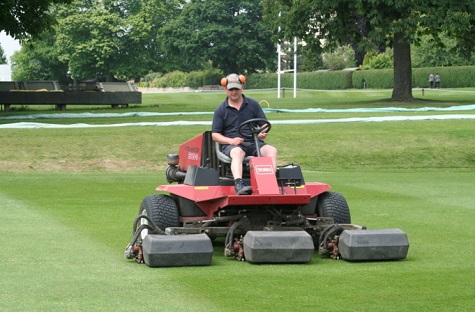


Toro triple mower 


However, away from the stadiums people have a wider choice of mowers to use on training pitches and football fields. These come in the form of tractor mounted, tractor drawn and ride-on types of both cylinder and rotary mowers. 
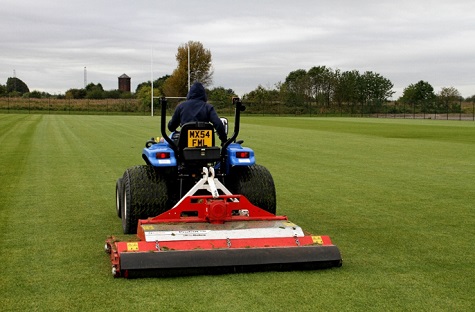
 

Trimax rotary mower


Toro, John Deere and Ransomes Jacobsen (Textron) all manufacture both cylinder and rotary ride-on triple mowers that have become popular with football clubs. And in recent years we have seen Trimax offer a range of rotary tractor mounted mowers offering different working widths and performances that come in the form of the Striker, Snake, Stealth, Procut and Pegasus.
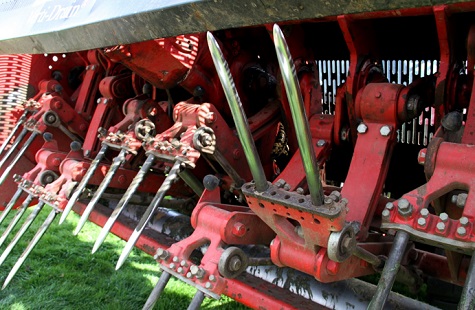


VertiDrain aerator 


The introduction of a fast-acting tractor mounted punch aerator, the Redexim Verti Drain, was a game changer in 1980. Then in 2003 we saw the popular Toro ProCore 648 pedestrian aerator become a significant innovation in turf management due to its ability to provide superior aeration for sports fields and golf courses. 
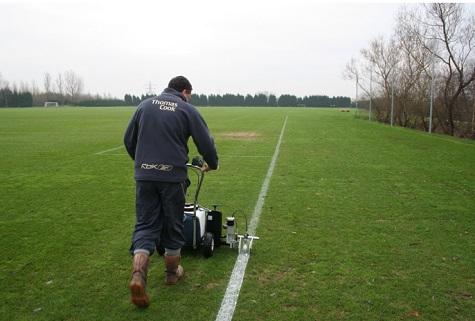


Laser-guided Beamrider line marking machine 


Line marking technologies have also improved greatly over the years with the wheel-to-wheel transfer marker being the staple choice for many years until Fleet brought to market a landmark product the KOMBI spray jet linemaker and later, the first laser guided line marker, the Beamrider.
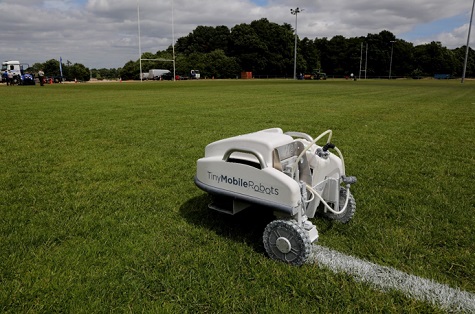


Tiny Mobile robotic linemarker 


Since them we have a plethora of marking machines at our disposal and in the last few years several companies have developed a range of robotic line markers, making their mark in the industry (excuse the pun), reducing drastically the time required to mark out pitches. This can now be down to around 20 minutes.
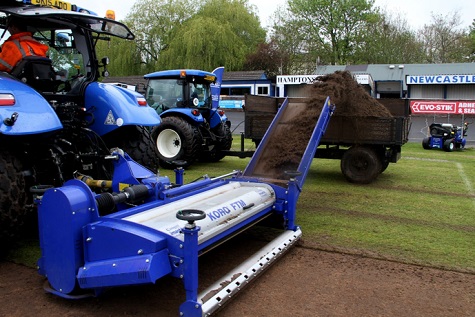


Koro Field Topmaker (Fraise Mower) in action


However, one of the industry’s biggest game changers was when Richard Campey introduced the Koro Field TopMaker (fraise mower) to the UK in 1997. This machine revolutionised turf management by providing an effective way to remove the top layer of vegetation, thatch, and organic matter from natural grass playing surfaces.


This innovation allowed for faster turf renovation and recovery, making it a game-changer for maintaining high-quality playing surfaces. Its adoption transformed practices in both football and golf, setting new standards for turf health and performance.
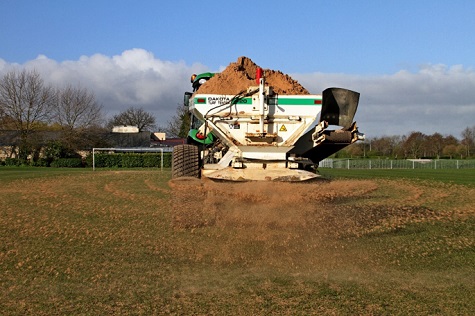


Dakota spreader 


Richard also brought to the market place the Dakota spreader, the VREDO direct seed drill and the AIR2G2 compressed pedestrian aerator, plus a range of complimentary tools, such as outfield slitters, brushes and harrows. 



Me and Nico Van Vuuren looking at his lighting rig system at Bayer Leverkusen 2004.


And finally, the other major contributor to this equation was the innovation of the lighting rigs, whereby both the light wavelengths and warmth generated by the lamps provides a means to enable grass to grow in the depths of winter and in shaded areas. 


This invention was the work of a rose grower Nico van Vuuren, who in the late 1990s started researching the benefits of using lighting rigs to grow grass.
He developed a system that consisted of metal rigs with HPS lighting armatures. That first system was trialled at the Stadium of Light (how fitting), home of Sunderland A.F.C. 
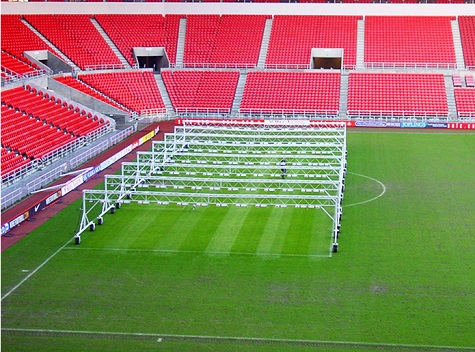


SGL lighting rigs at Sunderland's Stadium Of Light 


The results were simply mind blowing. The grass was growing in winter like it had never done before. This was the beginning of what a few years later proved to be a revolution in pitch management. And now we see almost every Premiership and Championship club with grow lighting systems to enhance grass growth in their stadium environments all year round. 


The clubs were starting to see the importance of investing in their pitches and this was further improved by the dedication and work ethic of the groundstaff who were keen to embrace these new technologies and work hard to produce near perfect playing surfaces. This really only came about with new ways of working, which centred on being more focused and educated about the biology of the grass plant and soil science.
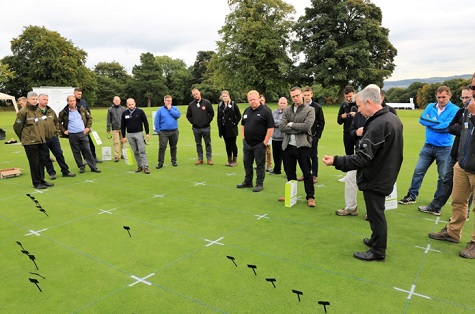
 

Turf product trials at the STRI


It was through the late 1990s and onwards we saw a lot of new products being introduced to aid the groundsmen to produce healthy turf. Better fertiliser products that came in a plethora of action and modes, slow release, liquid/ granular, seaweed extracts, biostimulants, soil life products, surfactants, growth retardants, herbicides and fungicides.


Also, we have seen a greater emphasis on the selection of grass cultivars with many established seed companies such as DLF, Barenbrug and Germinal offering some superb seed products to cope with the extreme environments and stadium environments we have in the UK.    


Developments in agronomy have led to the introduction of more resilient grass species and hybrids that can withstand wear and tear better than traditional varieties. For example, dwarf perennial ryegrasses are commonly used for their durability and quick recovery.
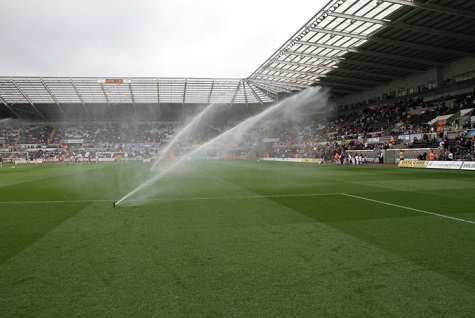


This was also complemented with better management techniques the fact they had efficient automated watering systems, undersoil heating and a plethora of evaluation aids to monitor the heath of the sward. These came in the form of ball roll, ball bounce, clegg hammers, compaction meters, soil testing kits, weed grids, moisture probes, theta probes, temperature and rain gauges. 


In the early 2000s we saw the invasion of nematodes being prevalent in sand profiles and we learnt a lot about counting numbers and thresholds of these pests with the aim of keeping their numbers down to prevent root damage. 


At Leicester in 2008 David Rennie one of their physios undertook a trial of monitoring pitch hardness using the clegg hammer to record the hardness of the pitch in gravities (G). After collecting and evaluating the correlation between the hardness of a playing surface and types of injuries players where getting, they came up with a measurement, that showed that pitches measuring above 90 Gravities could increase the risk of injury to players.


With this information it enabled the grounds staff to ensure that pitch hardness was kept below the thresholds of 90 Gravities to safeguard against potential injuries. See here for details.


Most professional club grounds staff now monitor their pitch for hardness, and traction to ensure their pitches are fit for purpose.


The combination of appropriate watering, feeding, aeration, Verti cutting and mowing enables the provision of a playable safe and consistent playing surface.
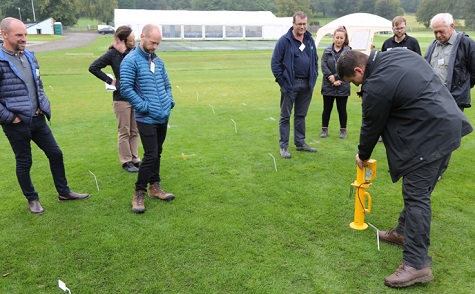


Clegg hammer testing at the STRI 


Also, the accuracy of weather forecasting has improved vastly with many clubs investing in their own weather stations along with the fact that most ground staff generally have a weather app on their phones.


We have also perfected efficient end-of-season and in-season renovation programmes that sees the pitch renovated within a few days, thus allowing a quicker recovery time. 


Many clubs generally have less than eight weeks before the start of a new season and using these new renovation techniques are able to meet these windows of opportunity.


And finally turf professionals are generally more highly qualified and have a greater thirst for knowledge and attention to detail. We again have a lot of education courses to choose from provided by a range of educational institutions / organisations such as the GMA, BIGGA, Groundsman Training, Lantra, BASIS and the many land-based colleges up and down the country.