March is a busy time for greenkeepers and turf professionals across all sports facilities - with perhaps those working in golf the busiest, trying to get their courses up to speed after such a challenging, wet winter.
Not only are they having to complete their winter works that often encompass woodland work, clearing out ditches, drainage or minor reconstruction works, they are also busy planning for the opportune weather window to complete their spring renovation works to greens, tees, fairways and approaches.
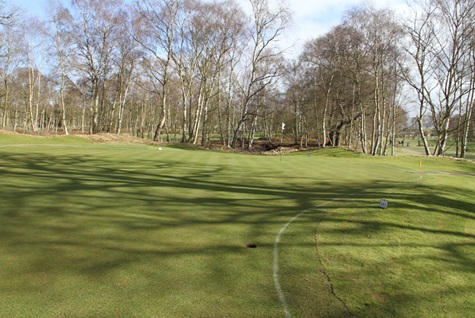
The weather in March usually improves significantly with the increase in daylight hours and a rise in soil and air temperatures. These climatic changes raise soil temperatures increasing them into double figures thus stimulating a flush in grass growth.
However, weather conditions invariably change quickly in the UK, and no doubt some warmer weather is just around the corner to initiate the spring spurt of growth. Once temperatures have risen above 8 degrees the grass plant will begin to photosynthesise making use of any available plant nutrients in the soil.
A dose of spring or a slow-release fertiliser can be applied to the tees to give them an early start. Some greenkeepers may well have already applied slow-release products, something like a 30.8.8 which will activate when soil and air temperatures rise.
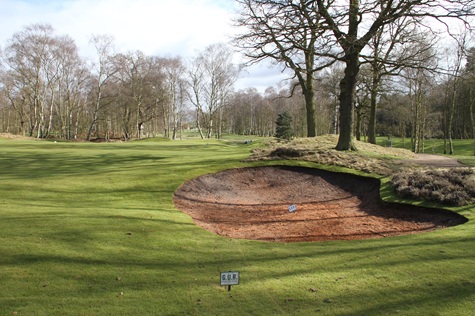
An application of a liquid iron fertiliser may be applied to the greens to give them some early season colour and harden them up a bit. Some seaweed meal can also be applied. Take care when applying fertilisers, ensure you have calibrated your spreaders / sprayers to ensure they are applying the designated rate of product. Also ensure you do not overlap when applying, thus double dosing your sward.
The recent spell of wet weather may have also disrupted your winter works programme out on the course. Transporting materials and working whilst ground conditions are poor will lead to compaction and surface damage.
Many clubs will have implemented some control on the use of trolleys out on the course. The use of temporary fencing or banning the use of trolleys during wet weather will prevent unnecessary turf damage especially around tees and greens.
Greenkeepers will be gearing themselves for their spring renovation works and preparing the course for the coming playing season. Hollow coring, solid tine spiking and top dressing will be the order of the day.
Mowing operations will now have begun in earnest, however, the frequency and height of cut will be dependent on the areas being mown and the type of sward composition you have and maintain.
March is also the time to recommission your watering systems, make sure you have trimmed around all sprinkler heads removing any grass growth that may affect their operation. Also, there may be some heads that have sunk and will require re-leveling.
It is also important to ensure you have all your serviced machinery back ready for the new season.
Spring renovations for most natural turf playing surfaces are centred around the following practices:
Light scarification/ verticutting to remove some lateral growth and any dead material, including moss.
Aeration. When conditions allow, the type of aeration undertaken in March (solid or hollow tine) will be dependent on the condition of the sward. It is essential to keep the greens aerated to maintain air and gas exchange in the soil profile, thus improving the drainage capabilities of the greens.
Light top dressing - be careful not to smother the grass plant, just enough to restore levels.
Fertilising with a spring fertiliser product. We now have a vast range of products to choose from, usually a soil test will accurately dictate what NPK ratios you will require to stimulate the desired growth rate you need.
As for football and rugby clubs it will be essential to plan your end of season renovations. The rigours of this tough winter will no doubt have a bearing on the work you will be required to do. If you are not able to undertake the work yourself, it is important you investigate and get quotes from reputable sports turf contractors, who are geared up to undertake this work.
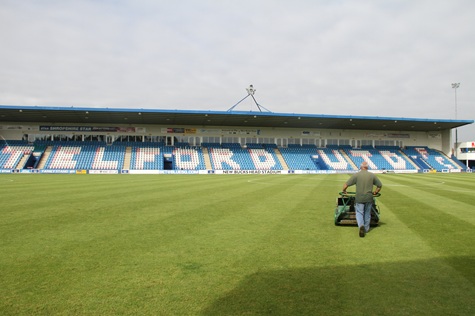
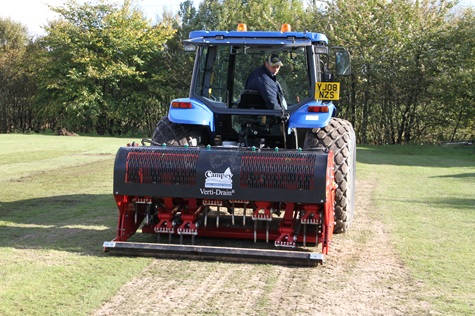
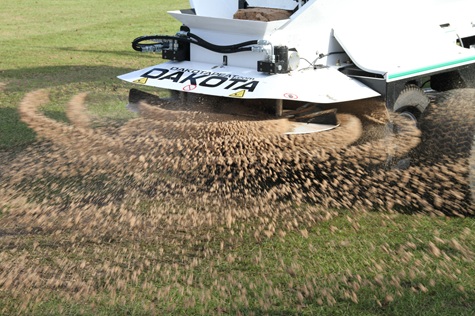
Generally, a basic renovation will involve scarifying in two directions, Verti-draining with solid tines to a depth of 220mm at the appropriate spacing, top dressing with a minimum of 60 tonnes of sand, overseeding and fertilising.
Depending on the choice of products and the transport requirements you may be looking at a cost between £7000-£10,000. Quite a substantial investment for many clubs.
In recent years via sports’ governing bodies, there has been some money made available to help clubs invest in renovation / drainage and re construction works.
Major funding sources for pitch renovations
The Football Foundation is the primary funder for natural grass pitch improvements in England. It is jointly funded by the Premier League, The FA and the UK Government. They support:
- End of season renovations
- Machinery grants
- Drainage improvements
- Full pitch reconstruction
- Grass Pitch Maintenance Fund (annual support)
Recent government announcements confirm £100m–£400m+ is being channelled into grassroots facilities, including natural grass pitches, through partnerships with the Football Foundation.
UK Government Grassroots Facilities Investment
The UK Government has committed large-scale funding to improve local sports facilities, including football pitches. Examples include:
- £400m boost for grassroots sports infrastructure (2025)
- £100m programme to upgrade pitches, changing rooms, floodlights and more, delivered with the Football Foundation and home-nation FAs (2025)
- Nearly 1,000 community projects supported across the UK through new and upgraded facilities (2026)
These funds often prioritise:
- Deprived areas
- Clubs serving women & girls
- Ethnic minority communities
- Disability inclusive programmes
What support typically covers
- End of season renovations (scarifying, overseeding, topdressing)
- Drainage repairs or new drainage
- Machinery (mowers, slitters, seeders, tractors)
- Pitch side infrastructure (goals, fencing, dugouts)
- Long term pitch improvement plans (e.g., PitchPower assessments)
PitchPower is the Football Foundation’s digital pitch assessment tool.
Using it:
- You submit a pitch inspection via the app
- Grounds specialists review your pitch condition
- You receive a tailored improvement plan
- Your PitchPower report becomes the evidence needed to apply for Football Foundation funding
This is now the standard route for natural grass pitch funding applications.
- Complete a PitchPower assessment for your senior pitch.
- Use the report to apply for the Grass Pitch Maintenance Fund or Premier League Stadium Fund (if applicable).
- Check if your club qualifies for priority funding (deprivation index, participation growth, women & girls).
- Combine Football Foundation support with local authority or Sport England small grants if needed.