Experts at British Pest Control Association are urging working gardeners to avoid disturbing wasps this sting season.
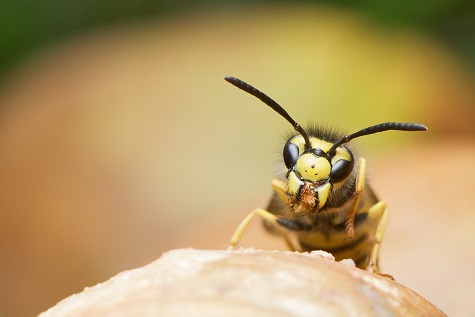
Wasps are accidental pollinators and nests in low traffic areas can be safely left alone, but in late summer, worker wasps start to leave their nests and feast on fermented fruit, which can cause them to become inebriated, more aggressive and more likely to sting.
Wasp stings can trigger anaphylaxis - an allergic reaction that can be fatal. If anaphylaxis is suspected, dial 999 immediately.
Natalie Bungay, technical manager at BPCA said: “Like bees and hornets, wasps are pollinators and, where possible, are best left alone.
“However, if the nest is in a high-use area, you may need to seek advice from a BPCA member.
“At their summer peak, a wasp nest can be home to between 5,000 and 8,000 wasps, which is why we recommend seeking help from a pest professional.
“One wasp that feels threatened near the nest can emit a pheromone that calls for back up - and that can trigger a stinging frenzy.”
BPCA members are trained, experienced professionals with access to a range of specialist products not available to the public.
Natalie added, “It’s really important that anyone who comes across a wasp nest weighs up whether the nest needs to be removed and, if it does, seeks help from a BPCA member who will have the appropriate expertise, products and equipment to remove it safely.”

