As an ex greenkeeper, I am acutely aware of the work that goes on during the winter months to keep a golf course open and playable.
January and February are the most testing times for greenkeeping staff when the weather is likely to be at its worst.
With so much wet weather about, many parkland golf courses can be difficult to manage during the winter months, especially those on heavy clay soils. My local club, Lilleshall GC, is on clay and the fairways tend to get saturated at this time of the year - especially the ones without any drainage.
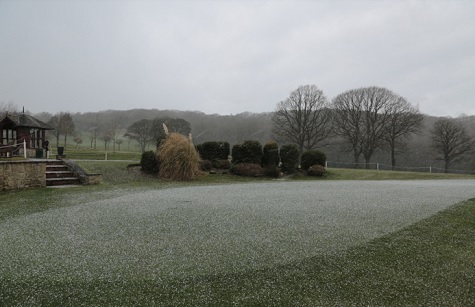
This often leads to issues of getting out onto the course to carry out winter and routine works. The recent spell of poor weather may have hindered or prevented the completion of some winter projects such as bunker, tees, greens and path construction works.
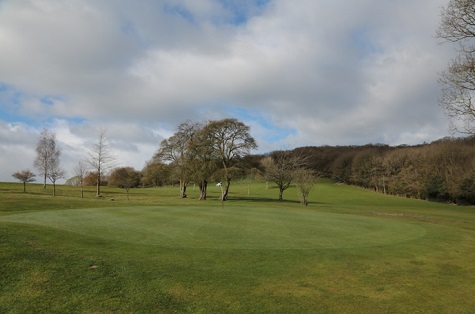
It is often just a case of waiting for the course to dry out naturally and being patient.
Once ground conditions improve and the course is accessible to vehicles again, it's back to finishing off winter construction projects, revamping tees, bunkers or cleaning out ditches or ponds. It generally starts to become a rush to complete these works before the onslaught of spring renovations that are only a few weeks away.
Many clubs often ban or restrict the use of golf buggies and trolleys while ground conditions are poor or restrict them to designated paths to reduce unwanted wear and tear.
The use of artificial winter tee mats can also help control wear and damage on tees. Many golf courses try to maintain play on their greens all the year round, however this is not always possible. The opportunity to have a temporary green or enlarged apron area can often be taken to accommodate play during inclement weather.
In February, greenkeepers in the UK will be focusing on winter maintenance and early preparation for the upcoming spring season. Some of their key tasks will include:
Course Maintenance & Preparation
- Aeration - Continuing aeration of greens, tees, and fairways to relieve compaction and improve drainage.
- Top dressing - Light top dressing of greens to improve surface smoothness and firmness.
- Rolling greens - Instead of cutting too frequently, rolling helps maintain a smooth surface while reducing stress on the grass.
- Bunker maintenance - Checking drainage, edging, and topping up sand levels.
- Turf repairs - Repairing damaged or high-traffic areas by overseeding or turf replacement.
Drainage & irrigation :-Ensuring ditches, drains, and gullies are free from debris to prevent flooding. February is a good time to check your irrigation systems are working and not suffered any frost damage or leaking.
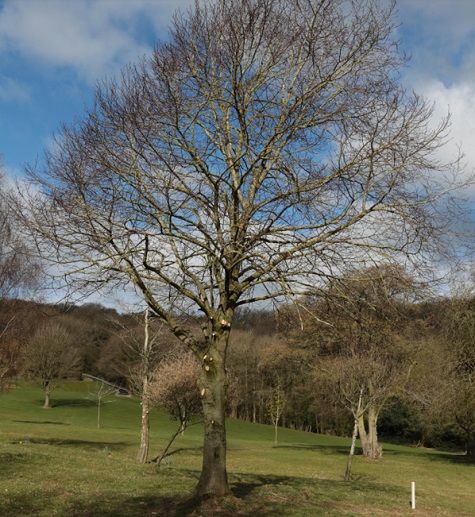
Tree & vegetation management:-Any planned or ongoing tree planting and woodland work needs to be completed before the end of March to align with environmental regulations, particularly those protecting nesting birds and promoting healthy tree management.
Some of the work involved will be pruning and crown lifting branches that could interfere with play or maintenance. Thinning and selective clearing as well as removing weaker trees to improve airflow, light penetration, and turf quality will take place. As will clearing hazardous deadwood from trees, especially around high-traffic areas.
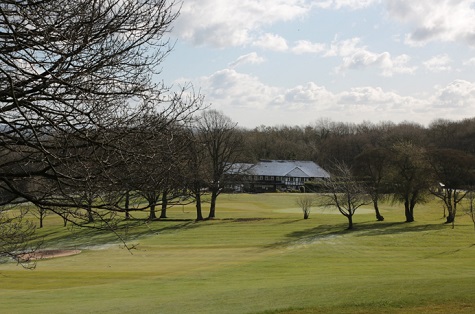
Undergrowth and bramble clearance is also important, as well as controlling invasive species and maintaining sightlines for players.
Any tree works must be undertaken by qualified, trained personnel. If your staff are not suitably qualified in tree surgery and/or operating chainsaw machinery, you must employ specialist contractors to carry out these works. It is often best to complete tree and woodland works before the trees and woodland begin to flourish with growth at the end of February/early March.
High winds can often cause structure and tree damage. It is imperative to inspect, record and make the site safe. Any structure or tree debris that has fallen and can be considered a hazard must be fenced off or removed in the interests of public safety.
February still gives you some time to carry out repairs and maintenance to fence lines, seating and other structures around the course. You may get some favourable weather for painting and repairing these structures.
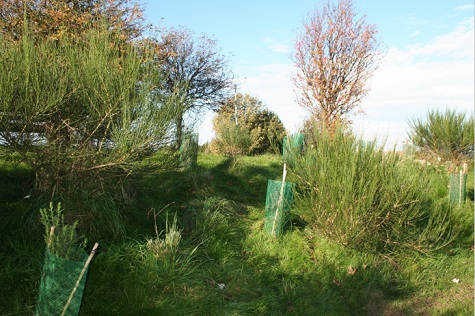
Late winter and early spring are good times for planting to allow roots to establish before summer.
The removal of leaf litter and debris from tees, approaches and greens will continue daily, it will be important to keep an eye out for diseases and pests, with worms and moles becoming active as the soils warm up. There will be a need to keep fairways brushed to disperse any worm casts.
As for machinery and equipment, hopefully you should be finishing off any servicing and repairs to your machinery fleet, so that they ready for the start of the new mowing season which generally gets underway in March.
Finally, you should be checking you have ordered and programmed in your spring renovation works. That usually take place when weather permits, and soil and air temperatures are peeking into double figures, usually during late March/ early April.
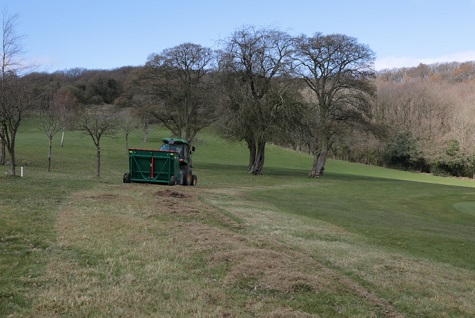
This work centres around some light scarification / verti-cutting to clean the base of the grass plant out. applying a light top dressing and overseeding of tees, greens and maybe approaches and then applying a dose of fertiliser to encourage some new spring growth.
Also, if you have the budgets and/or time, some mechanical brushing and overseeding of the fairways will pay dividends.
All the above works are additional to the daily routine of keeping the course playable, changing holes, raking bunkers etc.
For me wintertime is a challenging period for course managers and their staff. Let’s hope the players respect and value what their greenkeeping staff bring to the golf club and they appreciate the benefits of all this winter work.