I really enjoy this time of year, with all the trees and hedges coming into leaf and spring bedding plants and bulbs in full flower. I especially enjoy it when I have the opportunity to get out and about, visiting local authority public open spaces in my role as a Green Flag judge.
To date, I have visited three parks. Victoria Park, Stafford; Queen’s Park, Newcastle Under Lyme; and nearby Wolstanton Park. Alongside these I undertook a family visit to The Quarry, Shrewsbury to see their spring bedding displays, that are always amazing.
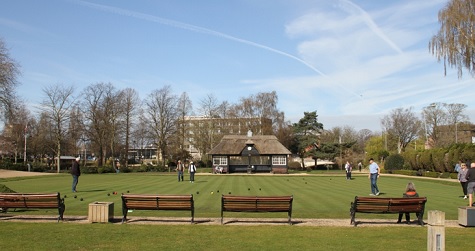
The spring bedding in Queen’s Park was spectacular and a great showcase of the skills and dedication of the park’s staff. Most spring bedding displays this year have been amazing, mainly due to the sunny weather front we had in March.
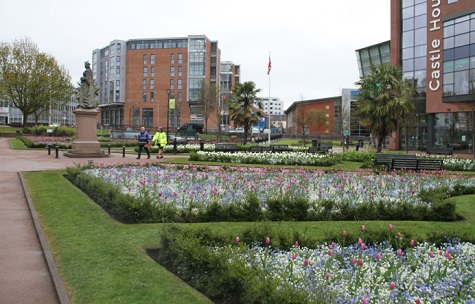
As I have said on many occasions, how do we put a value on these public open spaces? They go far beyond just being “nice places to walk” - they’re essential to the well-being of individuals, communities, and the planet.
Trees and green spaces reduce the urban heat island effect, making cities cooler and more liveable. Parks absorb air pollutants and help filter rainwater, improving local ecosystems. Even small urban parks provide crucial space for biodiversity and pollinators.
Nature exposure has been proven to lower cortisol (stress hormone) levels and improve mood. Parks encourage movement - walking, running, biking - which boosts overall health and lowers healthcare costs.
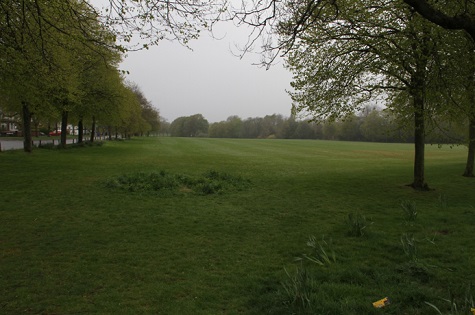
Parks often host festivals, performances, and public art that reflect a community's identity. Active, well-used public spaces can deter crime and foster a sense of safety and belonging.
In essence, parks and public open spaces are vital infrastructure - not luxuries. They contribute to healthier people, more cohesive communities, and a more sustainable environment.
However, I did read some concerning news recently of the canceling of the Quarry’s annual flower show, due to spiraling costs. This show has been in existence since way back in 1875.
As an ex-parks manager and events coordinator, I know only too well what costs can be attributed to organising and putting on large public events, especially when shows attract more than 50,000 visitors over two days. Cost can soon rack up when you are dealing with many agencies and providing many attractions and providing security, plus the costs of providing tents marquees and general cleaning up pre and post event.
These events should be making money for the council, not costing them. No doubt there will be other local authorities weighing up the costs of putting events on in their parks and public open spaces, especially as many local authorities are faced with ever decreasing budgets.
Equally disturbing news was the chopping down of a 500-year-old oak tree. The pedunculate oak, which was cut down on 3 April, was located on the edge of a Enfield council-owned park in north London and overlooked a Toby Carvery.
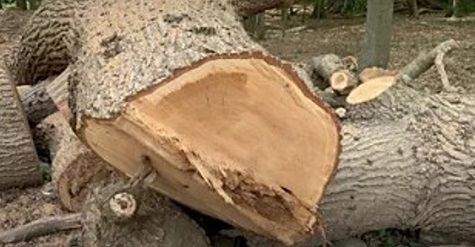
Mr Urban, chief executive of M&B which owns the pub chain, wrote to residents explaining that he only became aware of what had happened at Whitewebbs Park when “it was reported on in the media".
For me, it is important that we protect these ancient trees with the relevant codes of practice, tree preservation orders and planning policies.
In the UK, ancient trees are afforded protection through a combination of planning policy, non-statutory codes of practice, and best practice guidance. While there is no specific law that protects ancient trees purely because of their age, various codes and frameworks help safeguard them. Here are some of the key ones:
BS 5837:2012 – A British Standard that provides guidance on how trees should be considered in the planning and development process. It specifies how ancient and veteran trees must be assessed and protected during development. Recommends minimum root protection areas and avoidance of disturbance near these trees.
National Planning Policy Framework (NPPF) – England states that development "resulting in the loss or deterioration of irreplaceable habitats (such as ancient woodland and ancient or veteran trees) should be refused, unless there are wholly exceptional reasons."
Tree Preservation Orders (TPOs) Local councils can place TPOs on ancient trees to prevent them from being cut down or damaged. It is a criminal offence to damage a tree with a TPO without permission.
Ancient Tree Inventory (ATI) Managed by the Woodland Trust, it identifies and records ancient and veteran trees. While not a legal designation, being listed can influence planning decisions and raise awareness.
UK Forestry Standard (UKFS) and Guidelines offers guidance on sustainable forest management. Includes principles for protecting ancient and veteran trees during woodland management.
Veteran Trees: A Guide to Good Management (Natural England/English Nature) A widely respected guidance document with best practice on how to manage and conserve ancient and veteran trees.
It was reported the value of that tree was immeasurable in what it was providing in terms of environmental factors - there was also a figure of £1,000,000 being quoted.
Let’s hope lessons can be learned from this felling of an ancient, important tree and appropriate procedures are adhered to prevent further such acts of vandalism.