Following on from last week’s blog, and the publishing today of part two of my Cricket Through the Decades article, I will be talking about the 10-15 day preparation of a cricket pitch.
During the month of March, we should now start seeing some warmer, better weather. With soil and air temperatures rising into double figures hopefully, this should start to help promote some much-needed grass growth.
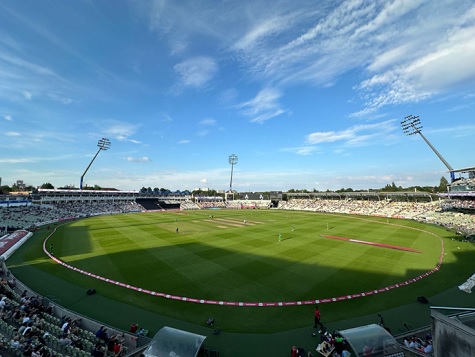
The ideal grass height for a cricket square in the UK varies depending on the time of year and the level of play.
- Out of season (Autumn & Winter): 12-15mm
- Pre-season (Spring): 10-12mm
- During the season (April - September): 8-12mm
- Match pitch preparation (10-day prep): Gradually reduced to 4-6mm
Hopefully rolling will have started and you are on track with your pre-season preparations.
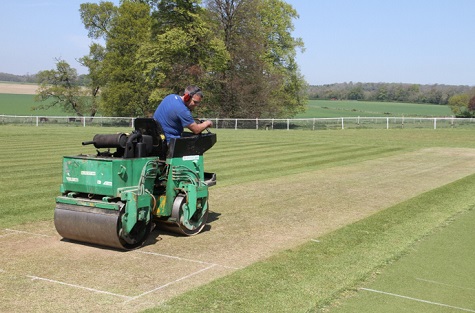
Preparing a cricket wicket in the UK requires careful planning, considering the weather and soil conditions. The general rule of thumb for preparing a decent pitch is centred around a 10-day preparation plan.
At county level it is more likely to be centred around a 14 day preparation as they need spend more time and effort on producing county standard pitches.
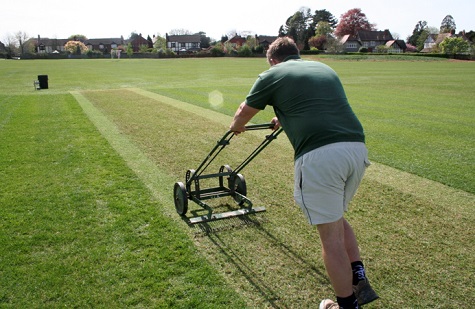
The following 10-day preparations are only a guide to the core operations to be undertaken to produce a pitch for play. Local conditions, manpower and resources will dictate what can be achieved. Each turf professionala may have their own interpretations on what needs to be done during this preparation window.
Also, the weather may dictate what can be achieved or the shear pressure of fixtures may restrict what you can do in the time you have between matches.
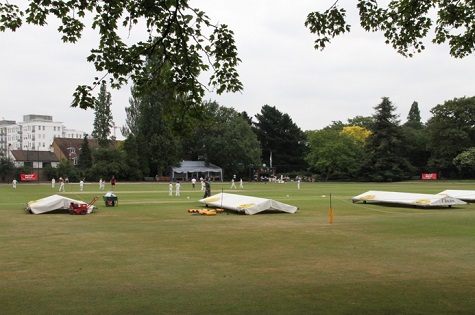
Some clubs do not have access to covers and sheets and are at the mercy of the elements so pitch preparations will be dictated by what can be achieved during favourable weather fronts.
Day 1-2: Initial Preparation
- Mowing: Cut the wicket to 10-12mm to remove excess grass.
- Scarifying (optional): Lightly scarify the surface to remove thatch and encourage dry conditions.
- Rolling: Use a heavy roller (500-1000kg) in dry conditions to start firming up the pitch. Roll 30 minutes
- Watering: soak or apply light watering if the wicket is too dry, ensuring even moisture distribution and if required cover with flat sheet.
Day 3-5: Consolidation
- Mowing: Reduce height to 8mm.
- Rolling: Increase rolling intensity, using the roller in multiple directions (morning and afternoon if conditions allow). Roll 30 minutes
- Brushing: Brush off loose debris and grass cuttings.
- Watering (if needed): Only add light water if the wicket is excessively dry - avoid overwatering
Day 6-8: Refining the Surface
- Mowing: Cut the pitch to 6-7mm.
- Rolling: Continue rolling to harden the surface further. Roll 15 minutes
- Scarifying (optional): Lightly scarify the surface to remove thatch and encourage dry conditions.
- Marking out the pitch: Lightly mark crease positions.
- Drying: If rain is forecast, use covers but allow airflow to prevent sweating.
Day 9: Final Preparation
- Mowing: Reduce grass to 5mm.
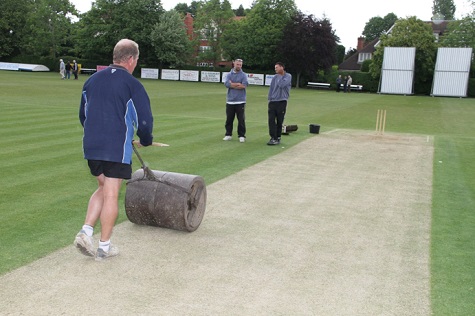
- Final Roll: Use a heavy roller for a long session in the morning.
- Brushing: Remove any loose material.
- Watering: Only if required, but typically avoid at this stage.
Day 10 (Match Day)
- Mowing: Final cut at 4-5mm.
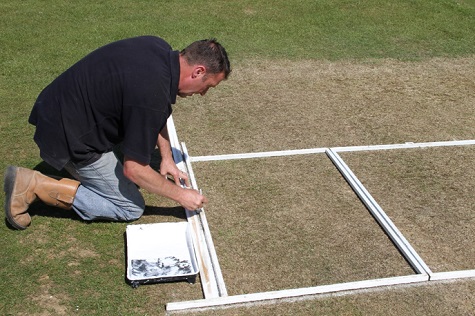
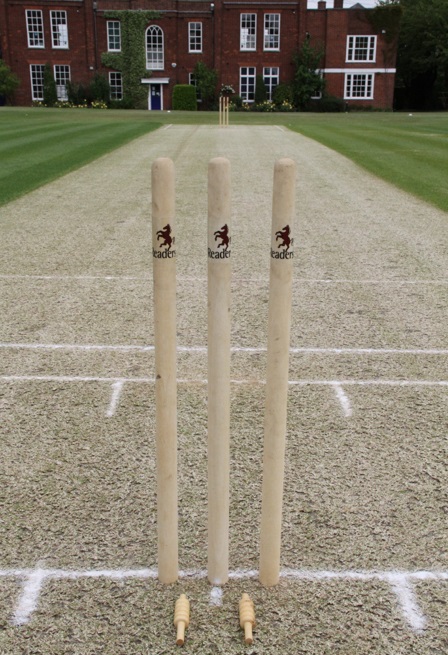
- Marking: Paint the creases clearly.
- Final Light Roll: Use the roller just before play if conditions allow.
- Pitch Assessment: Ensure even bounce and firmness, removing any excess debris.
Weather Considerations: Adapt rolling and watering based on rain forecasts.
Grass Type: If it's a green seamer, leave a slight covering of grass; for a turning pitch, remove more grass.
Cover Management: Keep covers handy to protect against rain but remove them early to allow natural drying.
As for the outfield maintenance, it is a case of mowing the outfield at least once week or if you have the time twice a week to improve density and smoothness.
Aeration and an application of fertiliser of the outfield would be helpful to increase porosity and initiate some grass growth.