EDITOR'S BLOG
RISE OF THE ROBOTS
But not at the expense of skilled turf professionals
by TurfPro Editor, Laurence Gale MSC, MBPR
 
Laurence Gale MSC, MBPR

A couple of interesting news pieces have caught my eye recently, regarding our sports turf industry adopting new technologies, to help free up workers from labour-intensive tasks.


A couple of interesting news pieces have caught my eye recently, regarding our sports turf industry adopting new technologies - namely robotics - to help free up workers from labour-intensive tasks.  


The first article from Carr Golf Services spoke of the challenges facing golf courses in terms of management regimes, environmental issues, spiraling costs and customer expectations.


They state that according to Met Office figures, the UK has just come out of the sixth wettest spring on record, and the wettest since 1986.


They said, “Following an already wet winter, it’s put course managers up and down the country on the backfoot, especially when customers are lining up to tee off with high expectations of perfect fairways and greens rolling true.”


The article argued that golf courses are coming under increasing pressure from environmentalists and sections of the wider public for their use of water, occupation of land and perceived lack of benefit to nature. 


They said, “This year and beyond, the onus on golf course businesses to put sustainability high on their agenda will continue, with a need to be more sparing with inputs, water use and look for new ways to encourage nature and biodiversity."


Carrs make the point that while course managers around the UK are already engaged in these efforts, there’s a growing need to communicate the positive steps being taken, and the amazing value golf offers in protecting and enhancing biodiversity. 


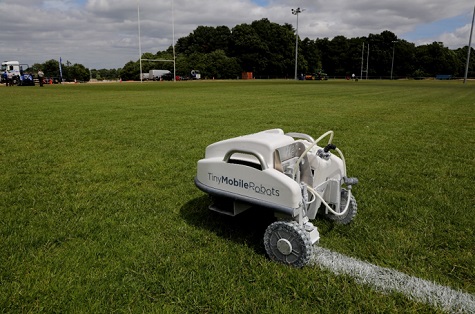
Interestingly they are also keen to point out that massive leaps in technology are happening in our sector and we’re seeing increasing numbers of courses and resorts invest in highly capable machinery, such as robotic mowers.


They point out how usage of this technology frees up vital time for greenkeeping teams to focus on the finer aspects of course maintenance and preparation. 


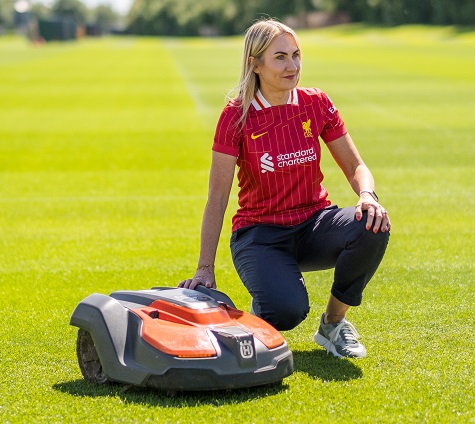
The second piece of news I found interesting was the announcement we’re running today that Husqvarna and Liverpool FC have formed a new global partnership. 


You can read the story here and watch the promotional video that Husqvarna has put out announcing their new team-up, that features many of Liverpool’s skilled turf professionals.


Having heard this news and watched the video, I was interested to hear what Dave Roberts, former HG of Liverpool, thoughts were on this partnership. David now resides in Portugal and runs his own training and pitch consultancy service (Training Unlimited).


After a nice catch-up telephone call, I learnt that Dave was pleased with the outcome having first being involved with some initial discussions back in 2021. The ability to have robotic machinery to help reduce the burden of some tasks can only be a good thing. The robotic technologies have improved immensely in recent years, especially around their reliability and cutting qualities.


Having watched the video a number of times, I personally enjoyed the sentiments of it, and I feel it is important to mention that I, along with David and many other turf professionals, wholeheartedly endorse the use of modern developments in turf technologies, including the use of robotics, to help improve efficiencies.  


However, we must not allow people to think that they can be used to replace employed turf professionals. Robots have their place and are becoming increasing popular with many estates, Premiership football clubs, contractors, schools and golf courses.


No doubt we will see more and more investment in these robotic aids in the coming years. However, I and many other turf professionals, do not see them as a threat to replacing skilled trained turf professionals. 

NEWS
HEADLINE SPEAKERS ANNOUNCED
For upcoming trade show
 
Learning LIVE

In our first WEB ONLY story over 20 industry pioneers, technical specialists, and experts are set to speak across three stages.


HUSQVARNA TEAM UP WITH LIVERPOOL FC
Global partnership announced
 
Yvette Henshall-Bell, Husqvarna's president Europe, Forest & Garden Division

In our next WEB ONLY story the manufacturer becomes the official groundskeeping partner of the Premier League club in the first partnership of its kind for both parties.


OPEN SUPPORT
At Royal Troon
 
Billy McLachlan

A new deal has provided course manager Billy McLachlan and his team with a range of equipment, including the latest electric mowers, ahead of hosting The Open for the tenth time.


Royal Troon Golf Club in Ayrshire, Scotland has signed an exclusive partnership deal with Reesink Turfcare and Toro machinery ahead of hosting The Open 2024 for the tenth time.


The deal has provided Billy McLachlan, who’s been at the helm of the world-famous golf course for 31 years and course manager for four of The Open tournaments, and his team with a range of equipment, including the latest electric mowers, for the championship.


Preparations have been well underway for years; starting as the club came out of the 2016 tournament with drainage work and then the installation of a “revolutionary” new Toro irrigation system.


“To have the reassurance of an irrigation system which allows us to be proactive and reactive depending on weather conditions; targeted and effective with our water usage and to have an entirely different level of precision and control throughout the tournament will be revolutionary,” Billy says. “It will take a lot of stress away.”


Billy who has been using Toro machinery for years felt the timing was right to make the commitment with Reesink, especially in the run-up to and over the tournament. Plus, he had his eye on sustainable mowing options: “We have a focus on using electric machinery and were extremely impressed with the Toro Greensmaster eTriFlex 3370 ride-on and Greensmaster e1021 pedestrian mowers, which will be taking care of the greens. 


“Having all-electric turfcare machinery is a new addition to our fleet at The Open and I’m looking forward to the huge benefits that will bring. For one, they will allow us to get out to any areas we need to without disturbing viewers or the flow of play and we know we can work all hours needed, because they are so quiet.”


The club has a core fleet of machines and included new versions of the Reelmaster 3575 and Groundsmaster 4300 mowers for fairways and roughs respectively as well as mid and heavy-duty utility vehicles in the last delivery. There’s a ProCore 648s which will be instrumental in post-event recovery work.


Billy contined “To have the support of Reesink throughout the tournament will be vital. We will have additional models of the same machines we’ve been using coming in and extra technicians, which provides great peace of mind.” 


So, what can players and viewers expect from The Open 2024? Billy says it will certainly be bigger than ever: “We have the longest hole in Open history and, just two holes after that, the shortest hole in the championship’s history - our iconic par-three eighth, also known as the ‘Postage Stamp’. 


“There are nine new tees too which lengthened the overall course - I think we’re sitting just 36 yards fewer than the record at Carnoustie in 2007 - and the event has sold out, ensuring a record attendance of 250,000, an increase of more than 70,000 people from the last time we hosted it in 2016. The grandstands, catering facilities, temporary buildings, services, everything is bigger to accommodate the increase in numbers.”

PRO DEALERSHIP REBRANDS
New name announced
 
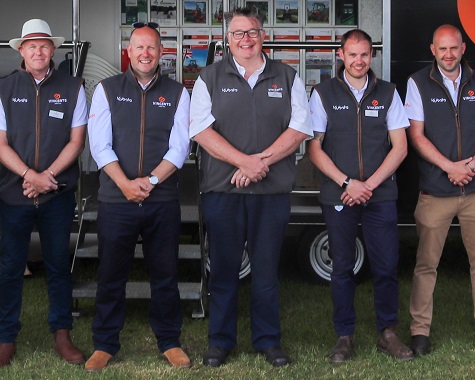
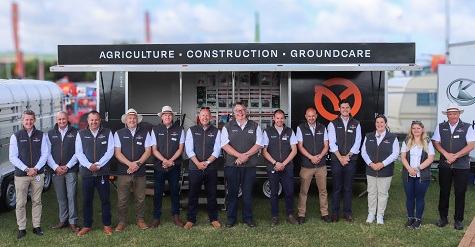
Some of the team

Company says that adopting a less product-specific brand name reflects the broad range of machinery they supply.


Southwest-based machinery dealer Vincent Tractors & Plant had announced a new chapter in their company's history, rebranding to Vincents, which they unveiled at the recent Royal Cornwall Show.


The dealership says this rebranding to marks a significant milestone. Adopting a less product-specific brand name reflects the broad range of machinery they supply, including brands such as Kubota, Kverneland, Ktwo, Trimax, Baroness, Grillo and Nugent Trailers.


In a statement the company said, "Our offerings encompass agricultural, construction, and groundcare machinery and equipment, perfectly aligning with how most of our customers and suppliers already refer to us. This change goes beyond a new name and logo; it’s about better representing our diverse customer base, particularly in the groundcare and specialist turf sectors."


Vincents say the rebranding journey has taken over 18 months and involved a complete redesign of their logo. They believe the new design honours their history since 1966 while looking forward to an exciting future, appealing to a wider audience.


Nick Vincent, Director of Vincents said, "We were excited to share our new brand with everyone at The Royal Cornwall Show. Visitors to our stand appreciated the fresh look and feel of Vincent and agreed that it truly represents who we are and what we stand for."

DEALERS SUPPORT CAREERS EVENT
Organised by manufacturer
 
Careers event

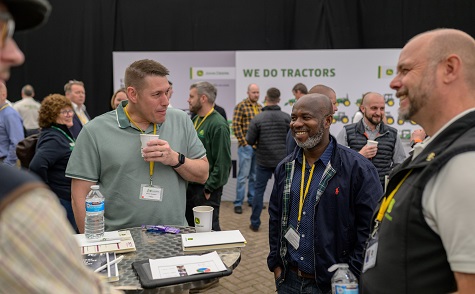
The bespoke event for service leavers involved dealers from across the UK.


John Deere say they have seen an influx of applications to its Military Hiring Programme after hosting a bespoke event for service leavers involving dealers from across the UK. 


Held at the company’s UK headquarters in Langar, Nottinghamshire, the event gave armed forces personnel the chance to have detailed discussions about what the next stage of their career could look like working with one the world’s biggest machinery manufacturers. 


The event was supported by ten of the manufacturers dealers - Thomas Sheriff, Cornthwaite Group, Ripon Farm Services, Ben Burgess, Tuckwells, Farol, Tallis Amos Group, Hunt Forest Group, Smallridge Bros, and Masons Kings.


The resettlement programme for military service personnel offers new career opportunities working on agricultural and professional groundscare products. 


Members of the armed forces have been identified as ideal candidates to bring their unique skill sets and experience to technician roles within UK and Ireland dealerships as many have already worked with systems and products similar to those used by John Deere. 


Those who enrol onto the programme are put into contact with an individual from the John Deere network who have resettled themselves, who will guide them through the next steps which includes free training courses before finding employment with a John Deere dealer.


“What was really successful about the day was the amount of conversation between military personnel and dealers,” said Allan Cochran, branch training manager for John Deere.


“Everybody wanted to talk, everybody wanted to engage with the event, and I think everyone that was there, both military and dealers, got something out of it.”


The event drew a positive number of applications to the Military Hiring Programme, with 23 ex-servicemen now waiting for the next step to start their new career.


The company say their programme has drawn interest from across the country, with attendees travelling from not just the surrounding Midlands, but also from as far as Cornwall and Scotland.


“To have people coming from all the country is really great to see,” says Allan. “We have dealers in all corners of the nation, and with the largest proportion of people wanting to resettle wherever they are based now, we can make that happen.”


As well as dealers and staff, attendees also had the opportunity to listen to those who had been through the Military Hiring Programme themselves and were now a part of the dealership network. Ex-servicemen Martin Frodsham, Will Foster and Mike Rogers spoke about their journey and what their career has been like since leaving the armed forces and becoming technicians.


Attendees also heard from John Deere instructors who showed them the machines that they would be working on should they apply to join John Deere, with a focus on precision agriculture and what the future looks like for agricultural technology.

.

Sponsored Content
SUPERB MOWER
For an elite turf finish
 
Richard Amer

CS Pro in 3m working width elevates reputation of specialist landscape company RA Country Services who serves prestigious estates and sports facilities throughout South East England.


CS Pro in 3m working width elevates reputation of specialist landscape company RA Country Services who serves prestigious estates and sports facilities throughout South East England.


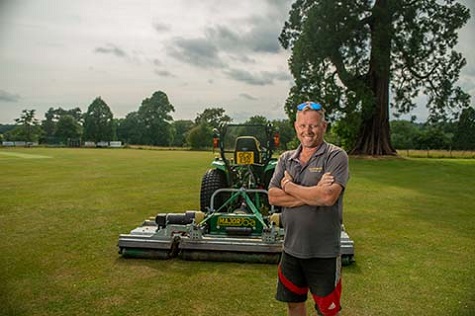
Major MJ65-300 3m CS Pro at RA Country Services


RA Country Services in West Sussex has been servicing high-end client properties in some of the most prestigious estates and sports facilities for over twenty years. Because of the business’ reputation in providing a high-class finish to its work contracts, they are often approached by elite clients looking for the ultimate in grounds-care service.


“We have an extensive customer base which requires maintenance of high-quality sports pitches for football, rugby and cricket,” explained owner Richard Amer.  “Grassland management is a major part of our business and we also carry out a lot of equine paddock management.  


“We pride ourselves in always going the extra mile to achieve total customer satisfaction. We want our customers to walk out through their grounds and sports pitches and always be proud of what we have done for them,” Richard emphasises.


Three years ago, Richard began looking to enhance his machinery. His finishing mower wasn’t leaving the required finish for his contracts. Plus, it was only 1.8m wide and he needed to increase the cutting width and his daily output to meet increasing customer demand. 


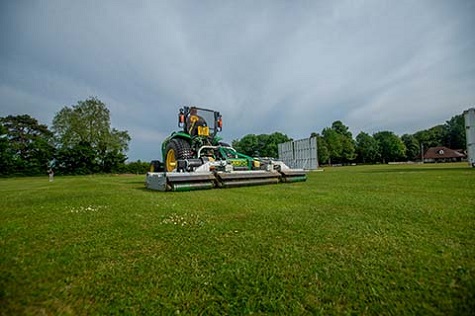
His dealer, Farol Ltd, recommended the Major MJ65-300 CS Pro. The Major CS Pro is a fully mounted rotary mower designed for compact tractors tackling dense vegetation and long grass yet capable of delivering a pristine finish in fine turf conditions. 


The ability to cope with rough grassland and fine turf conditions is due to the unique blade system. The gearbox driveline powers four rotors and 16 blades under three pivoting decks.  Durable 5mm boron steel blades overlap and ensure no material is left uncut across the working width.


The finish left behind the Major is a league or more above the previous machine and is better than I have seen from any other mower,” enthused Richard. “It has front and rear rollers, which help firm the grass surface and minimises scalping.  The rotary blades are excellent at mulching the residue and avoids leaving lumps of clippings behind.”


The MJ65-300 comes in a 3.0m working width which can fold up to a 2.0m transport width, which means it can be easily transported by trailer.


“We are running a John Deere 3046R compact tractor, which is almost fifty-horsepower and it comfortably drives the CS Pro,” said Richard. “The mower has folding wings which enables ease of road transport between customer sites, but also has a 3.0m cutting width.  It is much bigger than our previous mower and better on daily performance. This is the perfect combination for us and works well on our clients’ estates and sports fields.”


The mower is built using Strenx™ 700 high-strength steel which is stronger, yet much lighter than steel used in ordinary mowers. Combined with a fully galvanised finish, the Major CS Pro has the durability and integrity to outlast many competitive makes.


The beltless design and simple operating system contribute to low-maintenance qualities. “The Major CS Pro is easy to service and maintain,” added Richard. “With the galvanised finish, we can see this mower lasting us for many years to come.  I would recommend this to all the professional turf contractors and landscapers out there. They just need to try it out for themselves to see what a difference this mower can make in providing a beautiful finish with a high-output performance to all kinds of turf applications and especially fine-turf.”


For more information and to arrange a demonstration visit www.major-equipment.com or call 01524 850501. 

JOBS
ADVERTISE YOUR JOBS HERE
Amazing success rates!
 
Advertise your jobs on TurfPro Weekly Briefing

Advertise your recruitment needs on TurfPro Weekly Briefing and reach our targeted audience of recipients every week.

Contact Nikki Harrison for details - 01491 837117


PREVIOUS FEATURES
EDITOR'S BLOG ARCHIVE
Catch up with Laurence Gale's recent blogs
 
TurfPro editor, Laurence Gale

Want to catch up with one of editor Laurence Gale's blogs? Here is the place to do so.


TURFPRO FEATURE ARCHIVE
Find our previous features here
 
TurfPro Feature Archive

If you want to catch up with any of TurfPro's previous features, here is the place to do so.


SKILL SETS NEED RECOGNITION
Turf professionals are underappreciated


GREATER RESPECT FOR GROUNDS STAFF MIGHT MAKE ALL THE DIFFERENCE
To the recruitment crisis


A COMPETITIVE SALARY
Why employers should advertise the salary when recruiting new staff


ON TEST
Makita XGT UV001G lawn scarifier


AN EXAMPLE OF SUSTAINABILITY IN MACHINERY SUPPLY
Focus on Kubota


MY PERSONAL GREENKEEPING PHILOSOPHY HAS NEVER CHANGED
I don't follow any set program


SUSTAINABILITY IN LANDSCAPING
A substantial element of amenity activity


IS IT TIME TO SAY NO TO 'NO MOW MAY'?
Any real benefits?


SUSTAINABILITY IN OUR PARKS & PUBLIC GREEN SPACES
Meeting the challenge


THE PATH TO WIMBLEDON
For groundstaff member, Conrad Cavil


ON TEST
EGO LBP8000E backpack blower


SUSTAINABILITY IN THE LAWN CARE SECTOR
A key consideration


BEEKEEPING IN COMMERCIAL ENVIRONMENTS
The current situation


SUSTAINABLE PRACTICE IN THE AMENITY SUPPLY SECTOR
Optimising land use through integrated solutions


SUSTAINABILITY IN THE GOLF SECTOR
Focus on BIGGA


THE SEARCH FOR SUSTAINABLE PRACTICE
Bringing together key points


DEVELOPING SUSTAINABLE SOLUTIONS FOR GOLF
R&A are supporting clubs


GETTING THE MOST OUT OF EVERY POUND OF BUDGET
A course manager's view


A NEWFOUND APPRECIATION FOR ALL VOLUNTEERS
Who look after grassroots pitches


SUSTAINABILITY & THE UK ACTION PLAN
For weed, pest and disease management


CONCERN FOR PARKS FOLLOWING COUNCIL BANKRUPTCIES
What does the future hold?


TAKING A GLOBAL LOOK AT SUSTAINABILITY
Is the rest of the world also driving towards sustainable practice?


RENOVATIONS, PLAY AND THANKS
On my mind this week


SUSTAINABILITY – IMPLICATIONS FOR TRAINING & EDUCATION
Set to play a crucial role going forward


TULIP TREE
Liriodendron tulipifera


LYDIA BROOM
Genista lydia


THE LAWN AND ITS VALUE
Changing attitudes


GIANT HOGWEED
Invasive and potentially harmful


LIFE-CYCLE ANALYSIS & SUSTAINABILITY
Considering every stage of the journey


NITROGEN USE EFFICIENCY
The most important nutrient


BERBERIS THUNBERGII
A shrub that has stood the test of time


ENSURING FUTURE PROSPERITY
Advice imparted at road shows


INNOVATION & SUSTAINABILITY
A key focus


PHOTINA RED ROBIN
A sensational flowering shrub


VALUING THE GRASSROOTS
We must not overlook those who maintain these grounds


MANAGING WEEDS SUSTAINABLY
In amenity spaces


DETECTING NUTRIENT DEFICIENCY SYMPTOMS
In turf plants


SPRING RENOVATIONS UNDERWAY
A crucial period


SUSTAINABILITY IN SUPPLY
A focus on those who supply essential inputs to our sector


CHANGING CLIMATE
Is a borehole the key for clubs?


SUSTAINABILITY AT THE SHARP END
How to put into practice when budgets are tight?


ANOTHER NAIL IN THE COFFIN OF GRASSROOTS RUGBY
Clubs are struggling


SUSTAINABILITY IN PRACTICE
Seeking transparent and robust supply chains is essential


TIME FOR ACTION
To reverse recruitment crisis


CONTROLLING COSTS
Planning is crucial


THE SEARCH FOR SUSTAINABILITY
What exactly does the term mean?


CARING FOR THE GRASSROOTS
From volunteers to contractors


DEFRA IS LETTING DOWN THE COUNTRY
Complete failure to address the plastic grass debate


WE CAN ALL DO MORE
To aid biodiversity


MY LIFE IN GREENKEEPING
With Bruce Cruickshank


LEVELLING UP, GETTING SMARTER & GETTING AHEAD
Parks require so much more funding


SWITCHED ON FOR HARD WORK
Putting trimmers through their paces


MACHINERY HIGHLIGHTS
At this year's show


MY SALTEX
Daniel Lewis​, Manchester City Football Club


AWASH WITH LEARNING OPPORTUNITIES
Two months till showtime


LOOKING BACK, LOOKING FORWARD
Priorities for the amenity sector


THE DECLINE OF ‘PARKITECTURE’
A symptom of the state of parks in 2022


DEVELOPERS SHIRKING GREEN SPACE RESPONSIBILITIES
Lack of financial commitment


TIME TO COME TOGETHER
For the good of the industry


THE DEATH OF GRASS ROOTS CRICKET
Gathering apace?


ROUTES INTO THE INDUSTRY MUST BE ENSURED
Q&A with David Fisher, Lantra’s head of industry partnerships


STRONG VIEWS ON CRICKET PITCH PERFORMANCE MARKING
A bone of contention


A PREMIUM PRODUCT
Delivered at Naas Golf Club


THE GREEN REVOLUTION
And Esker Hills


MAKING A CHANGE
Laytown and Bettystown Golf Links


A DAY AT THE RACES
Naas Race Course


WORKING TOGETHER AS ONE VOICE
How the industry needs to proceed


OVER 175 YEARS OF EDUCATION
Wesley College


ELECTRIC EXCITEMENT
Dennis's Ian Howard talks electrification


THE HOME OF CORK GAA
Páirc Uí Chaoimh


LONG POLE BATTERY HEDGE TRIMMERS TESTED
STIHL HLA 66 and HLA 86


OVER 800 YEARS OF HISTORY
Johnstown Castle and Gardens


A CLUB GONE WILD
Kilkenny Golf Club


A GOLF COURSE IN THE GARDEN OF IRELAND
Woodenbridge GC


80 YEARS YOUNG
Charleville Golf Club


AN UPLIFTING EXPERIENCE
Bunclody Golf & Fishing Club


GETTING BACK TOGETHER
Albeit gradually . .


GO WEST
Inishturk GAA pitch – one of the most westerly sportspitches in Europe


WORKING ON A TIGHT BUDGET
Nenagh Golf Club


ON A MISSION
Wrekin Golf Club aiming to enrich wildlife and fauna


WILD AND WONDERFUL
Design By Nature


LEARNING HOW TO SURVIVE
Abbey Par 3


TACKLING OBESITY
Vital that schools can provide sport


A LIFETIME OF LEARNING
Vital for turf professionals


CELEBRATING 125 YEARS
Tullamore Golf Club


UNIVERSITY CHALLENGES
At Trinity College Dublin


BLENDING THE OLD WITH THE NEW
Bray Golf Club


A WELL POLISHED COURSE!
Ierne Social And Sports Club


IDENTIFYING THE TRUE VALUES
Of grounds maintenance


THE INDUSTRY WILL CHANGE & ADAPT
But it will survive


WIRRAL GOLF COURSES SAVED
Renewed hope and optimism for the future


GREEN SPACE CONTRIBUTION TO WELLBEING IS UNDERVALUED
Parks invisible on national agenda


A SHINING LIGHT IN IRELAND'S SUNNY SOUTHEAST
Wexford Golf Club


GREEN SPACES DO NOT LOOK AFTER THEMSELVES!
Keith Kent says we must invest in people


WE SHOULD TELL THE WORLD ABOUT THE UK INDUSTRY
Right time for all sides to come together


SOIL LIFE IS PRECIOUS
Good-quality soil can help save the planet


MORE THAN JUST CUTTING GRASS
Encouraging the next generation


A BUZZ FROM DOING THE JOB
Wide experience of the turf grass industry


PAYING THEIR WAY
Low wages is the bane of the industry


AMENITY MANAGEMENT IMPACTS US ALL
Professor John Moverley


CARING FOR PARKS OF ALL TYPES
Mary Worrall


TOP FIVE FRUSTRATIONS FOR CRICKET GROUNDSMEN
What causes you the most frustration in your role?


PROFESSIONALS AT THE CUTTING EDGE
Vic Demain and Phil Sharples


BOWLS CLUBS IN PERIL
A sad decline


A VERY SPECIAL INDUSTRY
Loz looks back


SNEAK PEAK AT A ROBOTIC "GAME CHANGER"
Commercial model capable of covering 50,000 m2 teased


HALESOWEN PICK A BIG ROBOT UP FRONT
Invest in mowers


COMPRESSED AERATION
The new way


PARKS MATTER MORE THAN EVER
Recent sector developments


ON TEST
STIHL blowers


THREE CORE VALUES TO SHAPE OUR INDUSTRY
Real concerns for the future


ENGLAND'S GREEN SPACE GAP
A split along racial lines


ON TEST
EGO STX3800 strimmer with RTX2300 Rotocut head


A SECTOR FACING IMPORTANT TIMES
Review of the National Action Plan


PARKS MATTER
The role of public parks in the recovery: a discussion paper


A UNIQUE SPORTING VENUE
Wormsley private estate


A BTME OUTDOORS?
A good bet for the industry


PARKS NEED APPROPRIATE POLITICAL REPRESENTATION
Q&A with Philippa Reece, Parks and Foreshore Manager at Adur and Worthing Council


CRICKET LOAM
What does it mean?


A HERCULEAN EFFORT TO GET PARKS BACK TO NORMAL
Q&A with Chris Worman, Rugby Borough Council’s parks and ground manager


ON TEST
STIHL battery products


TURFGRASS STRESS MANAGEMENT
Reactive Oxygen Species (ROS) and antioxidants during biotic and abiotic stress in turfgrass plants


AUTUMN DISEASE MANAGEMENT
The coming months are going to prove very difficult


THE ABUSE OF PARKS . .
Is the abuse of society


WHY PARKS MATTER?
A statement from the Parks Management Forum to the Prime Minister


THE 21st CENTURY PARKS MANAGER
Innovative, creative and entrepreneurial


EAT, SLEEP, CUT, REPEAT!
Cricket under covid


TIME FOR A SINGLE SHOW?
Debate brought back into focus


A CHALLENGING TWO MONTHS
Running golf design projects from home


PRESSURE SITUATION
Cementing the reputation


A CLUB TO BE PROUD OF
10 years at the helm of Olton GC


GAME CHANGERS IN TURFCARE
The day the Lord's outfield reconstruction proved its worth


THE ESSENCE OF ESSENTIAL
Finding a sensible way forward on defining "essential maintenance"


THAT WAS THE YEAR THAT WAS
2001


HOW TO LOOK AFTER A GOLF COURSE WITH NO GOLFERS
Fundamental to the survival of almost all courses, if not of the game itself


RAIN STOPPED PLAY WOULD BE WELCOME
. . along with ‘lunch is being taken early’


PHYSICAL CONTROL OF TURFGRASS PESTS
An urgent problem


A DIVERSE & ENTERTAINING WEEK
Successful BTME 2020


INTEGRATED PEST CONTROL
Opportunity to embrace new methods


ENVILLE ON THE UP
Major investments taking place


GREEN FLAG AWARDS 2019
A great success


U.S PROFESSIONAL EQUIPMENT SHOW EXCELS
Buoyant GIE+EXPO


LEGACY OF THE SOLHEIM CUP
At Gleneagles


A DAY OUT WITH THE LADIES
Behind the scenes at the Solheim Cup


COVENTRY UNIVERSITY'S EDIBLE GARDEN SUCCESS
2006 - present


HAIL THE GRASS MASTERS!
Boorish media comments about pitch quality are wide of the mark


CONTRACTOR SEES MULTI-DISCIPLINE SUCCESS
360 Ground Care serving professional facilities


BUSY TIMES
Judging the Green Flag Awards


TAKING AN INTEGRATED APPROACH
What does it all mean in managing turf surfaces?


UNDER PRESSURE
Dry weather conditions continue to keep turf managers focused on moisture management


EDDIE SEAWARD
Death of Wimbledon’s influential grounds manager


MAJOR NEW IRRIGATION PROJECT
At Top 100 classic Berkhamsted Golf Club


NEW HORIZONS FOR THE HATTERS
Investment paying off at Kenilworth Road


ELIZABETHAN RESTORATION
At Castle Bromwich Hall Gardens


WHAT IS BIOPHILIA?
The vital impact of parks and green spaces on health and well-being


WORM CONTROL
Without carbendazim


THE TRUE COST OF PETROL
Battery-powered outdoor power tools are now turning the heads of professionals


SANDS OF TIME
Sand-based pitches are now the norm in professional sports


WHY DO WE DO THE RIGHT THING?
We must maintain industry standards


CHASING GRASS PERFECTION?
11 things you need to know . . .


MAINTAINING STANDARDS
Q&A with BASIS ceo, Stephen Jacobs


STRI RESEARCH DAY 2018
Hosted at research trial grounds in Bingley


THE MECHANIC
Leicester City FC invest in new role


LORD'S 'GRASS-GUVNOR' TO RETIRE
Mick Hunt bows out after 49 years


HOLLOW CORING & DEEP SCARIFICATION
Is it really necessary?

Side Advert Image


PARTNERS
CAMPEY
 
Campey Turf Care Systems
Etesia
 
Etesia / Pellenc
Foley
 
Foley Company
Greenbest
 
Greenbest
ISEKI UK & IRELAND
 
Iseki
Kubota
 
Kubota
LANTRA
 
LANTRA
Price Turfcare
 
Price Turfcare
Techneat
 
Techneat
Garden trader
 
Garden Trader
PRODUCED BY THE AD PLAIN
The Ad Plain
 
TAP
SUSTAINABILITY FOCUS
SUSTAINABILITY IN LOCAL AUTHORITIES
Lessons learnt and experiences


This month I focus on two local authorities both fully committed to sustainable practice and in particular look at aspects of their approaches to weed management in urban areas.


In this series of articles, I am taking the opportunity each month to look in more depth at individual organisations. How are they seeking to be more sustainable and, importantly, how are they seeking to advise and support members or customers? 


This month we focus on two local authorities both fully committed to sustainable practice and in particular look at aspects of their approaches to weed management in urban areas. Lessons learnt and experiences are of course also very relevant to every subsector of amenity and sports surface management.


Local authorities throughout the UK are committed to defined sustainability targets and, in all their operations, to deliver sustainable practice. However the ways in which this is interpreted varies and can create challenge. Direct lobbying often creates demands from council leaders to abandon use of pesticides, particularly in relation to weed control. Yet those at operational level question if such a strategy is truly sustainable or deliverable. In truth, as often stated in these articles, the most sustainable way forward is to adopt a fully integrated approach – making use of all the tools available to produce the required outcome in the most sustainable manner. It is not a question of which particular method is best but which particular mix of methods is best for specific situations.


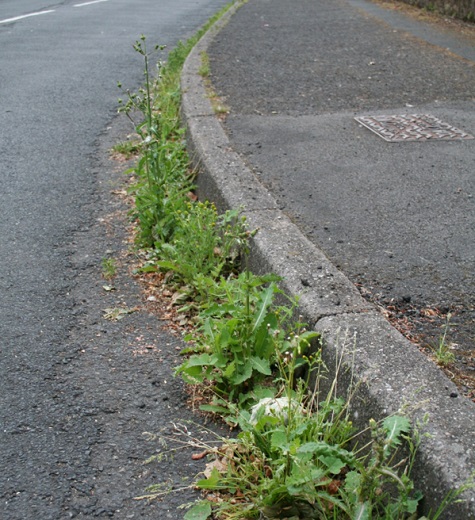
Following requests to reduce reliance on glyphosate and adopt more sustainable practice, South Lanarkshire Council, decided to embark on a project evaluating its approaches and seek to identify the best practice they should follow. The council is the fifth largest in Scotland covering 1800 square kilometres and has a population of approximately 320,000. In total it has to manage weeds with 5240 kilometres of road channels kerb edges, hard standing of 2 million square centimetres, 2600 properties needing garden care, 1.4 million square metres spot treating beds and almost 2 million metres of grass edges. Quite a task, but typical of authorities across the UK.


USE OF TRIALS


The trials summarised here followed increasing public and councillor concern about the use of pesticides for weed control, particularly those containing glyphosate, and the perceived risks and dangers associated with using these products. In February 2021, officers responded to the council explaining in detail reasons for their use of herbicides, locations of use and the likely impacts on infrastructure if weed growth was not controlled. They also referred to alternatives that had been trialled by colleagues in other Scottish authorities, and their success or otherwise. This led to agreement to pilot a number of different approaches still seeking desired weed control but also providing potential for reducing longer term cost. 


At the outset, key reasons for the need to control weeds were identified as follows:

  • Lack of weed control can lead to damage to infrastructure such as paths, roads, steps.
  • Weeds serve as hosts for plant diseases or provide shelter for insect pests and can be harmful to human and animal health, for example hay fever, poisonous leaves, berries, toxic when wilted.
  • Weeds Interfere and block irrigation channels, impeding water flow and surface drainage systems.
  • Weeds can decrease land value especially invasive species.
  • Weeds can reduce visibility splays at road junctions


USING A RANGE OF METHODS


The project then trialled a range of control methods normally in combination in an integrated approach including:

  • Hot foam
  • Hot Steam
  • New Way spray
  • Use of Mankar ultra-low volume lances
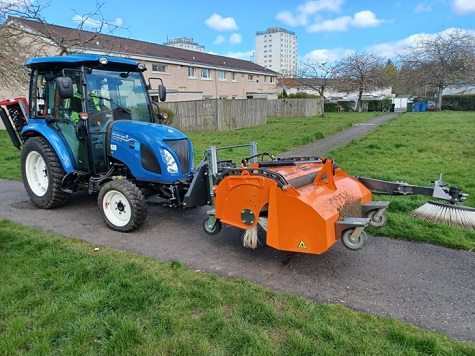
  • Pedestrian wire mechanical sweepers
  • Utilising wire brushes on their fleet of small and large mechanical sweepers for roads channel sweeping in line with duty 2 of the new Coplar regulations.
  • Ride-on and pedestrian thermal treatment.
  • Full path width tractor mounted brushes
  • Different products containing higher/lower concentrations of glyphosate

The outcomes have demonstrated that the use of glyphosate remains an essential element in weed control but that reduced quantities are possible in adopting a fully integrated and sustainable approach. Indeed comparing 2023 to 2019 years, total glyphosate use has decreased by about a third. This is a significant achievement and testament to the work undertaken to reduce usage, trial alternatives methods and work towards improving and protecting our environment. The trial process has demonstrated a clear direction of travel for decreasing usage of glyphosate and the council and service aim to continue reviewing their use of glyphosate whilst utilising a number of alternative methods.


CASE STUDY IN WALES


Similar pressures to reduce glyphosate use apply across the UK and a second example highlighted in this article refers to the City of Cardiff. Following extensive discussions, in 2021, the Council and its main contractor trialled three principal pavement weed control methods across the City to find out how effective and sustainable each method was, as measured against four key criteria including cost, environmental impact, customer satisfaction and quality. Control methods trialled included glyphosate-based herbicide (applied three times per year), acetic acid-based herbicide (applied four times per year) and hot foam herbicide (applied three times per year). The project was overseen by an independent consultancy who subsequently produced a detail report on the outcome.


The following conclusions were made in the final consultancy report arising from the summary of outcomes as reported. The efficacy and sustainability results showed that glyphosate was the most sustainable, being cost effective, with low environmental impacts and high customer satisfaction and quality. In contrast, acetic acid delivered intermediate costs and environmental impacts with low customer satisfaction and quality, while hot foam generated high costs and environmental impacts, with mixed customer satisfaction and quality. Based on cost, environmental, customer and quality criteria (efficacy and sustainability criteria) measured, the trial indicates that, in this given situation, the most effective and sustainable weed control method currently available for pavement weed control by the council involves the use of glyphosate-based herbicide applied within a fully integrated approach. However it is made clear that every situation will vary and consequently approaches used.


OTHER OUTCOMES


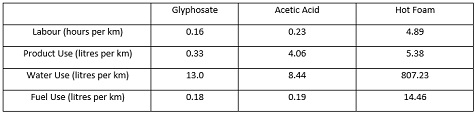
Some other interesting measurements drawn from this study are shown in the table that I have constructed below based on the data produced:


This study though looked much more closely at costs and carbon emissions. Again, the conventional approach of glyphosate use proved the most effective and economic. However it is in the area of carbon foot printing that approaches utilising glyphosate come out very well. Because they use less water and external energy in application, this mean their carbon footprint is much less. In fact the figures extracted from the report, based upon full life cycle analysis of the environmental impacts of the various approaches, indicate this strongly with, based on these figures and in these particular trials, one method estimated to be producing 6700 times more carbon emission for a given area of work than glyphosate. Given the council commitment to zero carbon, this is a powerful argument for retention of glyphosate in weed management programmes but again within a planned integrated approach.


It is important to re-emphasise that all situations vary but it does show that a simplistic approach to weed control is not possible. Whatever approach is taken requires a proper balancing of what level of control is needed, its location and type and a full co-ordination of approaches and methods. In their conclusions, the external consultants stated that ‘’to deliver sustainable weed management over large areas it is essential that control methods are examined scientifically to determine how well they work (efficacy) and how large their environmental and economic impacts are i.e., using an Integrated Weed Management (IWM) approach to testing. This scientific approach followed in the current experiment enables us to find out what works under ‘real world’ conditions and then make evidence-based decisions on how we want to manage weeds’’.


CONCLUSION


What is clear from both of these examples is that achieving the most sustainable approach in a given situation is not a linear decision but an integrated one.  Everyone operating in the sector is committed to the objective of sustainable practice and that requires proper planning and agreement on the right integrated approaches to given situations. There is no universally applicable blueprint but it does require the use of professional trained managers and operatives operating to national standards, ideally meeting the requirements of the UK Amenity Standard overseen by the Amenity Forum.


Good decisions come from experience. Experience comes from making both good and bad decisions.’


Previous articles in this series


AN EXAMPLE OF SUSTAINABILITY IN MACHINERY SUPPLY


SUSTAINABILITY IN LANDSCAPING


SUSTAINABILITY IN THE GOLF SECTOR


SUSTAINABLE PRACTICE IN THE AMENITY SUPPLY SECTOR


SUSTAINABILITY IN THE LAWN CARE SECTOR


SUSTAINABILITY IN OUR PARKS & PUBLIC GREEN SPACES