The recent bout of warm, dry weather is now starting to impact on working practices and the performance of sports playing surfaces, especially if you have no means of applying water to keep the grass plant alive. In some parts of the country, we have had less than 80mm of rain since February, resulting in playing surfaces turning brown and often becoming unplayable.
This dry weather will have a huge impact on the success of any end of season renovations to winter sports pitches, especially those that have no watering facilities.
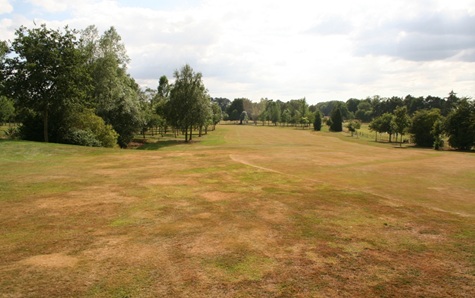
With the ground conditions becoming so dry and hard, very little renovation work in terms of Verti-draining, spiking, top dressing and seeding can be carried out until the weather changes.
I vividly remember the last major drought conditions we had back in 1976. I was working as a greenkeeper at Cocks Moors GC in Birmingham, one of the city’s ,unicipal golf courses. I spent each day watering the greens by hand to keep them alive. Our watering system at the time was an old diesel pump, housed in a shed near the brook that ran through the course. We used to dam the brook to collect enough water to irrigate the green by hosepipe. The day consisted of moving hoses to various greens and tapping into a supply box near the greens.
It would seem we are entering a similar period of dry sunny weather – illustrated by the news from BIGGA today and a recent article on their website that features the thoughts of David Byron, head greenkeeper at Essex’s Thorndon Park. He says in the piece, that’s well worth a read, “It’s very, very dry. It’s the driest start to spring in nearly 70 years. We’ve had almost no rain, and what we have had has come in just one hit, so it’s not consistent. I was out measuring moisture in our fairways and we’re down to about 3-4% moisture content. Normally, you’d want 10 to 15% moisture content for the grass species we have.”
I believe that if this dry weather continues for much longer, it will be that likely we will see some hosepipe bans and restrictions on using water coming into force in some parts of the country. That could have an impact on recreational sports facilities such as club bowls, cricket, football and rugby.
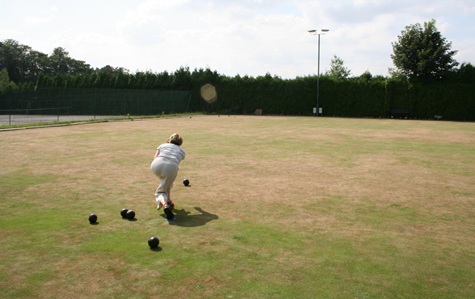
So, what can sports clubs do to reduce the impact of drought conditions? First port of call is to get advice from their local water board and check on the exact restrictions that are in place.
Also, go onto several government websites. Ones such as DEFRA and the Environment Agency will offer additional information on drought restrictions.
There are turf management steps to help reduce drought stress, such as changing cutting heights, use of organics, wetting agents, spiking regimes and effective use of water whilst it is available. Early, preventative action is critical as there are limited things you can do once the drought is underway.
Try to keep as much grass cover as possible and raise the height of cut by a few millimetres. Control warm up and training activates by rotating them around different areas of the pitch to reduce wear.
Ensure you cut the grass with sharp mowers, leaving a clean cut. The use of plant growth regulators (PGR) can be a useful tool to help the plant combat drought conditions. PGRs will slow the plant’s growth thus reducing the need to cut so often. However, a programme of growth regulators is not cheap.
Also, there may be opportunities to find alternative water supplies. Alternative sources include private boreholes, lakes or tertiary treated effluent water. In all cases, transport is via tankers which can be sought from waste water/ liquid waste companies, private individuals or bought from vehicle dealers on a buy-back agreement (you will need a driver with a HGV licence).
Depending on the soil type, some pitches will dry out at different rates; sandy soils will be very quick to dry out, whereas clay soils retain moisture and are more likely to help sustain plant growth over a longer period. There may be a need to cancel games if the pitches become too hard. However, grass is a resilient plant and will recover quite quickly once it receives adequate moisture.
Some clubs may have to review their renovation programmes in May, if they are not able to water. Grass seed will not germinate if the ground conditions are too dry. You would be wasting money if grass seed was applied in drought conditions.
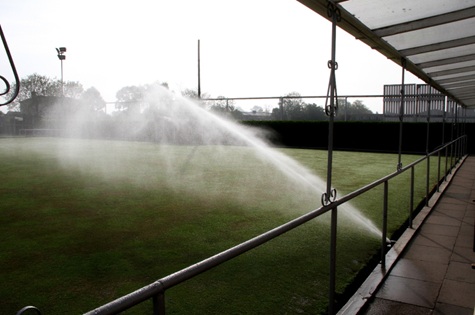
Also, just for the record, if you happen to be in a non-drought area and you are able to water, please ensure you conserve and do not waste it. Do not irrigate during the hottest part of the day, you will lose most of the water you are trying to put on by evaportranspiration; irrigate in the evenings and also ensure you water to depth.