In my final editorial piece before Christmas I spoke about the popularity of battery powered equipment. I therefore thought for this new year I should also reflect on the opportunities we now have through embracing robotic technologies – that are becoming more popular within both the domestic and professional sectors.
Attending last year’s trade shows I saw a remarkable increase in robotic products on offer with the likes of both established companies, such as STIHL and Husqvarna, driving the market alongside many newer players such as BigMow, Kress, Milwaukee, Segway, Stiga, Honda, Origin, Fleet, Grillo, and others bringing an array of products to market.
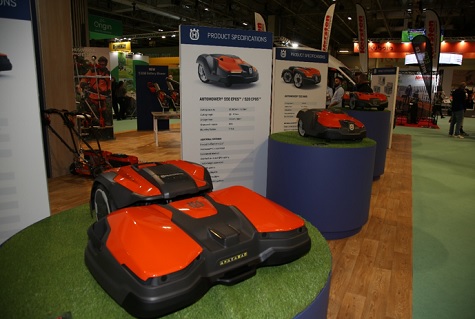
Domestic sales are certainly booming, especially now that GPS / RTK technologies are removing the need to have a ground wire to control the robot mowers. Many robotic mowers also now come with a phone app that controls predetermined mowing schedules to be programmed. Even the height of cut can now be adjusted by the phone app and some, like the Segway for example, have built in cameras.
All robotic devices have sensors and tracking devices to prevent theft and operate safely. And there is plenty of choice. Just taking Kress for example, they have a staggering 17 models to choose from, able to cut lawned areas ranging from 600m2 to 24,000m2.
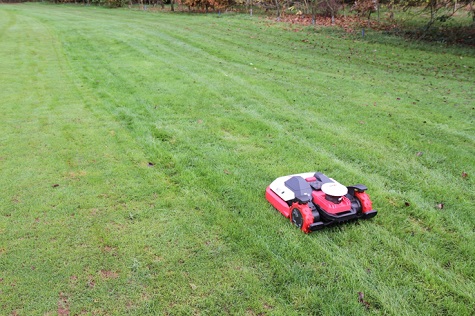
Of interest to our turf professional readers, in recent years we have seen golf courses begin to utilise robotic mowers to cut fairways, rough and tees. Their use is gaining popularity due to their efficiency, environmental benefits, and ability to deliver consistent results.
There are many claims by robotic mower suppliers, that by using robotic mowers they are offering numerous advantages, especially for efficiency and sustainability.
Robots operate autonomously, freeing up groundskeeping staff to focus on other tasks. Robotic mowers can work day and night, optimising course maintenance schedules without disrupting play. They also provide precise and uniform grass heights and improve grass health and reduce stress on the turf.
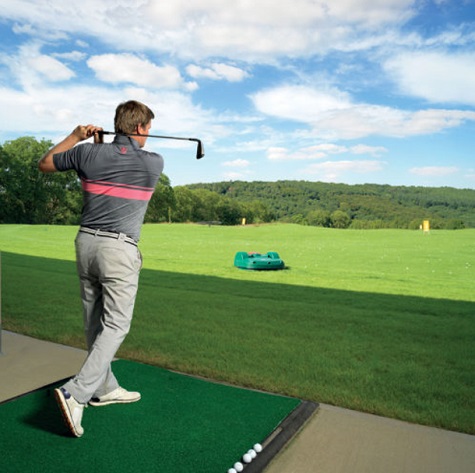
Manufacturers are also stating that the use of robotic mowers consume significantly less energy compared to petrol-based equipment and are less noisy. They also produce no direct carbon emissions aligning with sustainability goals and reducing the environmental footprint.
Robots are programmed to mow continuously, which allows for fine clippings to decompose and enrich the soil as natural mulch. They also cause less compaction on the turf compared to heavy ride-on mowers, preserving soil health and drainage.
Latest models are equipped with advanced navigation systems, such as GPS and ultrasonic sensors, to handle complex layouts and avoid obstacles like bunkers, trees, and water hazards. Many models can also adjust to slopes, uneven terrain, and variable grass types.
We also now have robotic mowers than can offer a range of mowing patterns that contribute to the visual appeal of the lawn / golf course, maintaining a professional and well-kept appearance.
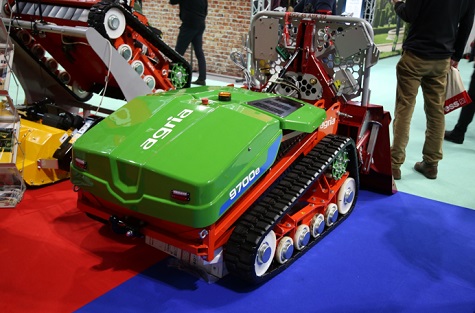
Another recent take up in autonomous mowers has been by local authorities who use them for cutting road verges and slopes and rough ground. There is a wide range of both wheeled and tracked machines that offer robotic capabilities.
While the benefits are significant, it is important to consider the upfront costs, need for regular maintenance, and compatibility with course layouts. I believe that pairing robots with traditional methods can offer the best balance for comprehensive maintenance.
For me personally, I can see the benefits of professional sports facilities utilising robotic technologies to help enhance and redistribute labour resources. One fine example has been the development of robotic line marking machines that have sped up line marking operations, especially on the initial marking of sports pitches and athletic tracks. It would previously take about three to four hours to initial mark a football pitch using string lines - a robotic line marking machine can now initial mark in 30 minutes.
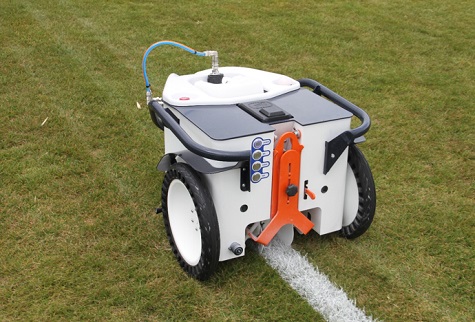
Offering greater accuracy and straighter lines, many schools and contractors have now invested in robotic line markers. There are several companies that offer a range of line markers. One of the latest to come to market is the Fleet robotic line marker that I saw at its official launch last year at Malvern College. Quite an impressive robot it will interesting to see out fairs against other manufacturers products such as the Tiny Robots sold by Rigby Taylor, as well as the Turf Tank.
There are still some professional users they not sure whether robotic mowers can give them the quality of cut they want, as most robotic mowers are effectively a rotary mower with very fine blades. Many are still keen to cut their swards with cylinder blades However, I have seen demonstrated at Manchester City FC a prototype of a cylinder cutting robot which I believe is now being sold by Wessex Mowers under the brand name of Rovimo.
I have no doubt that the speed and capabilities of these robotic devices are only going to get increasingly impressive. Before long they will become a regular feature in the armoury of turf professionals in helping them deliver a more efficient way of working.