The sport of bowls continues to be in decline.
Without a doubt it has been a difficult year for many bowling clubs due to ever dwindling numbers of members and the upwards spiral of maintenance costs. Many bowls clubs up and down the country are now facing the threat of closure.
These clubs are facing closures due to several, interrelated, factors:
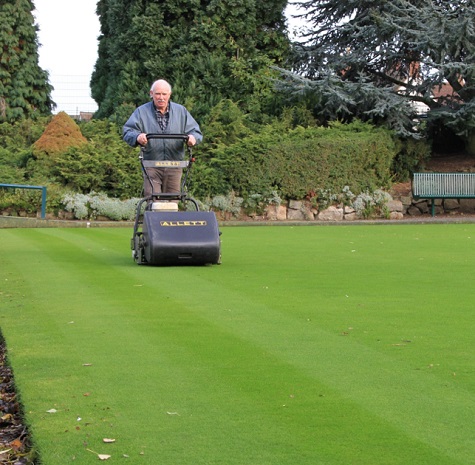
Decline in membership: Lawn bowls, traditionally associated with older generations, has seen a drop in participation as fewer younger people take up the sport. The aging membership base leads to fewer active players, and when older members stop participating, clubs often struggle to attract new members to sustain operations.
Financial pressures: Maintaining a bowling green can be costly due to the upkeep of the green itself, club facilities, and other administrative expenses. As membership declines, clubs generate less revenue from fees, making it harder to cover these costs.
Loss of local authority funding: Many clubs historically relied on support from local councils for maintenance and other expenses. However, with austerity measures and cuts to local authority budgets in recent years, many councils have withdrawn funding, placing the financial burden directly on the clubs. We have seen local authorities draw up agreements for the clubs to take over the maintenance and running of the facilities.
Increased competition from other sports: Lawn bowls faces strong competition from more popular and dynamic sports, such as football, rugby, or fitness-based activities like gym training and running. These sports are perceived as more appealing to younger generations, leading to a drop in interest for bowls.
Changing social trends: The sport of lawn bowls has struggled to shed its image as an "older person's sport," which affects its ability to attract younger demographics. Modern social trends often emphasise more fast-paced, high-energy activities, making bowls appear less exciting.
Development and land use pressure: Some bowling clubs are located on prime real estate. With rising property prices, some local authorities or private landlords may prefer to repurpose the land for housing or commercial developments, pushing out the clubs.
And finally, the impact of the COVID-19 pandemic: The pandemic forced many sports clubs to close temporarily, but bowling clubs, with their already vulnerable financial and membership positions, were hit particularly hard. Some clubs never recovered from the loss of members and revenue during lockdowns.
I personally think that Bowls England and the Crown Green Bowling associations did not do enough to promote the sport, with no real incentives put in place to encourage new players to take up the sport.
Talking to one ex-England bowler, inter-club competitions and county matches have been on a steady decline for many years and the standard of play now compared to twenty years ago is vastly lower.
With little and no real incentive to play the game, coupled with the fact that no new blood is coming into the sport, club memberships are at an all-time low.
These factors combined have created a challenging environment for lawn bowls clubs across the UK, leading to their gradual closure.
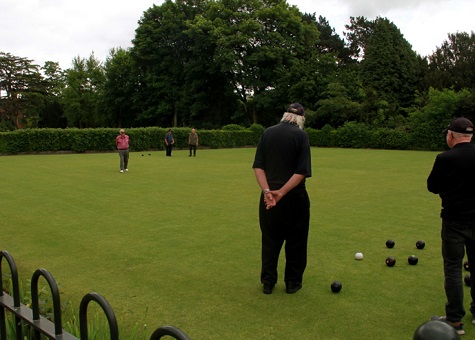
The costs of decline
However, for me, the three biggest factors are the decline in membership, which has a profound effect on clubs’ income; the spiraling costs of the green’s maintenance; and the lack of volunteers to help with the upkeep of the club and facilities.
I have flagged this up before, in a number of TurfPro articles, that the sport of bowls has been in decline for many years.
A recent publication explains the reason for sports decline.
I believe it is time that the sport’s governing bodies came together to find a way of promoting this sport. It has many benefits and if given some positive spin and linked to schools curriculums, the sport of bowls may have a chance to redeem itself and be a valid community sport once again.
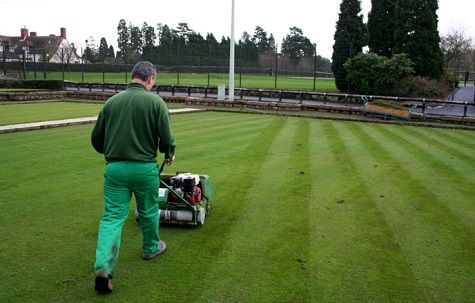
It is about time community sports clubs faced up to the reality that there is a substantial cost attached to maintaining a given sports facility. Even if they manage to get volunteers to do the work, there are still substantial costs for materials, equipment, servicing and employing contractors to carryout end of season renovations.
In most cases the level of budgets being put aside for general maintenance of grass roots level playing facilities tend to be way off the mark. One of the reasons for this is often the lack of understanding of groundsmanship and what is required in terms of inputs and resources that are required for the maintenance of their facility. No two sites are the same. Each have their own unique set of requirements, maintenance needs and inputs to either maintain its status or additional work to bring it up to standard.
Far too often clubs tend to do the bare minimum, purely undertaking a basic set of maintenance inputs such as mowing, feeding, marking out and some minor repairs when warranted. Quite often they also skimp on end of season renovations which over time leads to a deteriorating playing surface.
I firmly believe if clubs recognised the true costs and inputs required to maintain their pitch and produced a business plan to facilitate a way of securing the budgets to run the club, we would then start to see an improvement in club facilities and an increased level of sport participation.
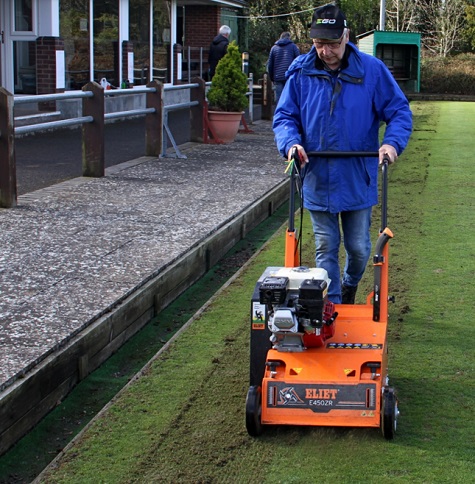
Based on today’s costs the minimum annual fee for maintaining a bowling green is likely to be around £12,000.
Most clubs only charge around £50 per year membership, with also a small match fee. With many clubs running with less than 100 members, it not surprising they struggle to pay for the greens upkeep and maintenance.
This fee of £12,000 was accumulated by working out the man hours and costs of materials required to maintain a single bowling green.
I came to a figure of 258 man hours with end of season renovations, material and servicing costs being around £4,000.
Therefore again, if we are to have a volunteer workforce, and also needed to cover the costs for machinery and materials, we are looking at a total annual cost of £4,000 per green.
However, if you must pay for the services of a paid greenkeeper or contractor to undertake the maintenance work at a low rate of £30 per hour, then the total annual labour maintenance cost would be 258 x £30 = £7,740.
Therefore total annual cost including labour and materials would be £11,740. Rounding off and allowing for some unforeseen works etc, we are probably looking at a baseline figure of an investment of £12,000 per green.
At the end of the day, clubs need to be charging a more realistic membership fee to help cover the costs associated with the maintenance of the facility.
Therefore, if the annual expenditure for the club is £20,000 based on 100 members that would equate to each member having to pay a £200 membership fee. I feel that is a small amount given the amount of pleasure and fulfilment you would get from playing the game on a weekly basis throughout the summer months.
For far too many years, sports clubs have not been charging members enough to cover the cost of maintaining their facilities. Bear in mind if you or I were to join a fitness centre, we would be expected to pay £500-plus a year. and still pay for drinks and food etc.
For too long we have kept our sports clubs on a shoestring. It now time to change and start investing in our clubs for the next generation of sporting stars.