As all our TurfPro readers will be only too aware, this summer we have experienced many weeks of hot, dry weather - meaning we have seen much stress on our natural grass playing surfaces.
Several organisations have issued some advice on looking after sports fields and conserving water resources. The RFU published one on managing rugby pitches in drought conditions.
The Grounds Management Association published top tips on maintaining your sports pitches in August.
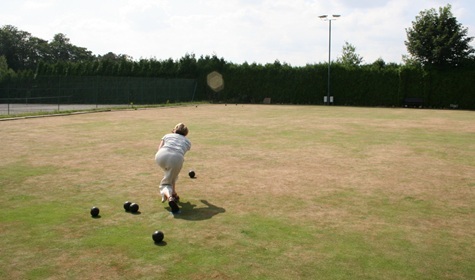
Plus another on managing sports pitches during drought.
I also read with interest an article published by BIGGA on how greenkeepers were coping with the dry weather.

In this piece, Paul Woodham from the R&A is quoted, speaking on the issues caused for greenkeepers across the country, by the lack of rainfall combined with warm days and cold nighttime temperatures. He says, “The impact is seen in a lack of recovery from winter wear and is particularly challenging in situations for courses which suffered winter disease scarring and damage caused by leatherjacket larvae. Greenkeepers have seen the early onset of turfgrass stress, especially with Poa annua being stunted coming into the seasonal emergence of seed heads in mid-May.
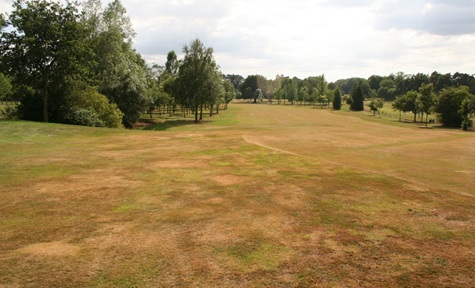
“These combined stresses have made it difficult for greenkeepers managing the transition through spring and seeking surface refinement for main season performance. The fluctuation in unpredictable and extreme climatic conditions appears to be a seasonal norm testing the patience of the golfer."
The effect that these conditions cause is known as evapotranspiration. This is the process where water is lost from plants and the soil – transferred from the land to the atmosphere.
Dealing with hydrophobic (water-repellent) soil conditions on sports playing surfaces in the UK can have serious consequences if not properly managed - both in terms of playability, player safety, and long-term turf health.
Hydrophobic soil repels water rather than absorbing it. This condition is often caused by drought conditions or prolonged dry weather (common in UK summers now due to climate change); organic matter breakdown leaving waxy residues and compaction; or surface sealing by foot traffic or machinery.
Hydrophobic soils affect water infiltration and drainage. Water runs off the surface instead of soaking in, leading to localised flooding or dry patches. This leads to inconsistent moisture levels, especially on pitches with uneven compaction. Over time hydrophobic conditions leads to the grass plant wilting, yellowing, or even death.
Fungal diseases (e.g., fairy rings, dry patch) can thrive in dry organic matter zones. Also, the playability of pitches during dry conditions will be affected.
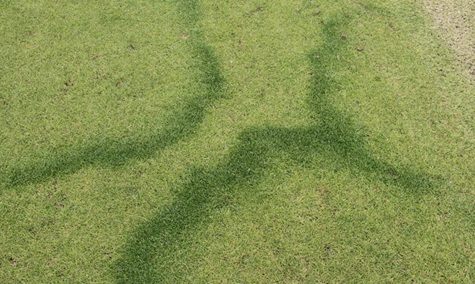
Several management strategies can be employed to address hydrophobic soil conditions. The application of wetting agents (surfactants) will help break down the water repellence barrier of hydrophobic soils and help water infiltrate back into the soil profile.
Effective aeration work using solid and hollow tines will help relive and compaction and improve air and water flow through the soil profile.
Regular brushing and scarification will help reduce thatch and breakdown waxy layers.
Topdressing with sand and organics composts will help restore levels and help water retention.
For me, if there’s a sudden change in the weather that will help enormously. However, it may cause some additional problems in that we may experience some local flooding events, due the hard dry ground not able to soak in the rain. We may get some runoff that causes flooding.
I believe our end of season renovations for bowls, golf and cricket clubs will be an ideal time to rectify these hydrophobic conditions.
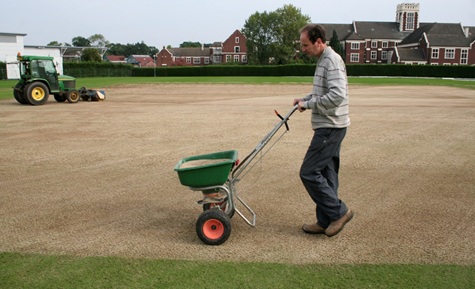
An effective programme of applying wetting agents and appropriate watering and feeding prior to your end of season renovations will help improve the chances of rectifying hydrophobic soils.
A typical end of season renovation should see the following operations -
- soil test to ascertain condition of soil and nutrient status
- scarification of the surface in several directions
- clean up arisings
- aerate to a decent depth
- top-dress with a decent sand / soil compost to restore levels and provide a seed bed
- overseed with a quality seed mixture and apply a fertiliser
- water to help germinate the seed.
The benefits of carrying out a good end of season renovations are imperative to help overcome the heat stresses that we have experienced this summer.