Having spent more than fifty-five years working in the sports turf, amenity and horticulture industry, I feel I am experienced and qualified enough to say that this industry is a challenging, engaging and sometimes frustrating one in which to work.
However, the career opportunities within it are so diverse, it is not until you see the sheer size and scale of our land-based industry do you realise its potential.
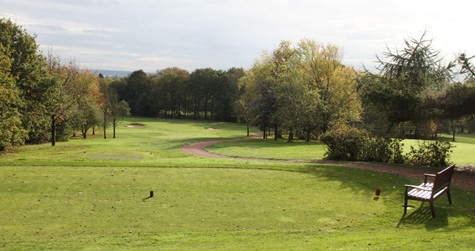
Newcastle Under Lyme GC
You only must attend one of our three annual industry trade shows - GroundsFest, Saltex or BTME - to realise the extent and magnitude of this sector and what it can offer in terms of career prospects.
With over three hundred exhibitors / companies promoting their wares and services at any of the shows, it is a clear indicator of the scope and opportunities we have available.
The range of career opportunities are endless - both home and abroad. Coupled with the diversity of job roles across all our major sports (cricket, football, rugby, tennis, bowls and bolf), we must also consider all the support, supplier, product and service jobs that facilitate our industry.
Having said all this, I am slightly worried where our next generation of practitioners will be coming from - particularly during this current climate of change and uncertainty following Brexit.
From what I’m hearing, there has been a reduction in student numbers attending sports turf related college courses in recent years. This may be due to several factors including lack of appropriate courses being run, cost of these courses and employers cutting back on training budgets.
I am also hearing of the difficulties that many professional clubs and businesses are experiencing, to find and retain staff. The working of weekends and evenings, plus getting their hands dirty, is putting off a lot of youngsters - along with the low working pay and conditions.
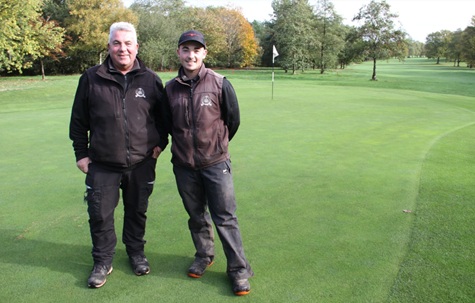
Ian and Jake Beech
However, a recent visit to Newcastle Under Lyme GC has given me some hope in that there are still many bastions of opportunity where youngsters get the opportunity come and work in our industry and prosper. I met up with Ian Beech, course manager. It was refreshing to see his enthusiasm for the youth of today. Having spent over 45 years at the club, he has been able to mentor and ensure his staff have the best training and opportunities to learn the diverse skill sets required to be a greenkeeper. His son Jake is a prime example of his endeavour to develop and retain staff.
Jake was keen to learn the ropes. He went to college, got his Level 2 in greenkeeping and is currently doing his Level 3 at Myerscough College. He also took up a work placement at the JCB Golf and Country Club. He learnt a lot while at the JCB resort and recognised the pressures of the job can be very different when working with a larger team of people.
Although Jake was offered a position at the JCB facility, he felt he would still learn more skills while continuing to work alongside his father and the tight group of four other members of staff at the club. They are centred around building a good team spirit and a healthy work ethic. He is pleased that the club have continued to support him and his colleagues with continued educational pathways, whilst maintaining a nurturing working environment.
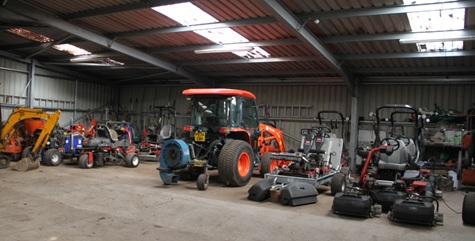
Ian has, over the years, managed to persuade the club to invest in appropriate work facilities, including mess room, showers, tearoom storage sheds and a machinery workshop that makes working on the course more pleasant and rewarding.
The net results of Ian’s work is a golf course that is fit for purpose and the quality of the playing surfaces and its environment meeting the expectations of its members.
I personally feel it is important - and indeed our duty as turf professionals - that we continue to learn and develop our skill sets. We rely on a lot of machinery and equipment to help us do our jobs, therefore we should take the time and investment to keep up with the ever-changing legislation and regulations that govern the use of that equipment. Alongside this, we must comply with relevant legislation and guidelines when applying fertilisers and chemicals.
Returning to my point regarding how we encourage the next generation of professional groundsmen / greenkeepers to come and work in this vibrant industry - we need, collectively, to find a way of bringing to the attention of schools and colleges the wide-ranging career opportunities that are on offer within the grounds and sports turf industry today.
I know only too well that many of our national organisations and larger businesses have been working hard over many years to recruit and offer career opportunities.

However, at this present time it does not seem to be enough. I have on many occasions written about this issue in TurfPro and discussed the challenges facing our industry. I believe it is time we finally come together, collaboratively, to help create a new pathway into our industry. We need all the major CEOs from the likes of BIGGA, GMA, Parks Management Association (PMA), RHS, Lantra, BASIS, BAGMA, BALI, Fields In trust, APSE and others, including large businesses that supply our sector, to finally find a collective way to achieve this aim.