To begin this new year, I have been reflecting on another challenging twelve months we all faced as turf professionals during 2025. I would argue that it was once again the extreme weather fronts that posed the most difficult times throughout the year.
Summer 2025 became the warmest on record in the UK, with a mean temperature of about 16.10 °C — beating the previous record from 2018. This extended warmth was driven by persistent high-pressure systems and unusually warm seas surrounding the UK.
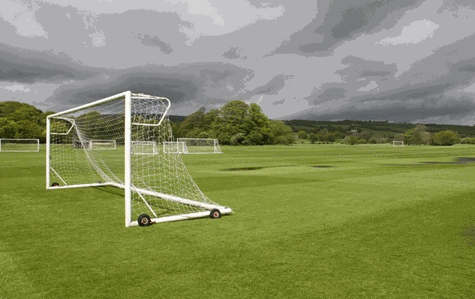
The heat was not limited to isolated spikes but was consistently above average temperatures throughout June, July and August, including multiple heatwaves.
Several distinct heatwaves occurred across late June, July and August, with temperatures exceeding 30 °C for extended periods in many areas.
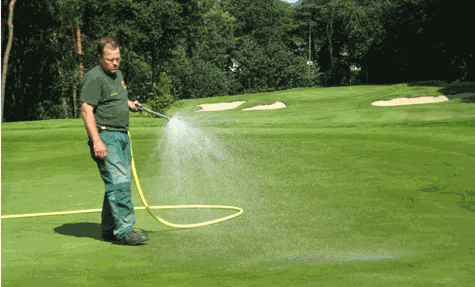
This spell of dry hot weather impacted on soil moisture stress and water demands, which posed major challenges for turf irrigation and hydration and management of playing surfaces.
While summer was predominantly warm and dry, weather was highly variable regionally, with parts of northern Scotland seeing much wetter conditions and named storm systems like Storm Floris bringing heavy rain and strong winds
There were records of heavy rainfall spells and flooding in some regions - especially Northern Ireland and parts of northern England in July 2025 - which contrasted sharply with dry spells
In mid-November, the UK experienced a cold wave with low temperatures and some snow, particularly across Scotland and other northern areas.
Towards late December (Christmas period) there were cold, windy conditions with strong gusts (up to 55–65 mph).
In short, 2025 presented a wide mix of extremes - from record warmth and drought stress to regional flooding and cold waves - highlighting the increasingly variable and challenging weather patterns that UK turf professionals must manage. The season’s variability reinforced the importance of flexible irrigation strategies, robust drainage, and adaptive maintenance plans.
2026 will no doubt be another challenging year for us all.
State of play
I feel I must also reflect on the significant innovations and management practices we have all embraced over the last 25 years.
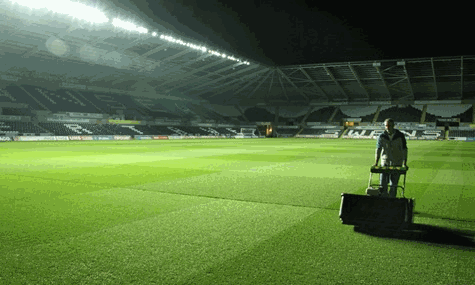
For me there have been several innovations that have changed and helped our role of grounds practitioners in becoming more respected for the work we do.
Hybrid grass systems that combine natural grass with synthetic fibres to deliver far greater durability, resilience, and playability than pure grass. I would say these have arguably been the biggest shift in high-level sport turf in the UK.
Hybrid systems like SIS Grass Hybrid have now introduced their reinforced fibres into a range of playing surfaces that include football, rugby, cricket and golf tees, delivering improved surface stability, more playing hours and faster recovery compared to traditional grass.
They are now widely used at professional clubs, including many Premier League venues. Hybrid installations have surged year-on-year, showing adoption from elite clubs down through Football League and non-league levels.
We have also seen vast improvements in Advanced Synthetic Turf surfaces (3G/4G/AGP). 3G (third-generation) synthetic turf has become the standard for community and competitive surfaces - offering consistent performance and higher durability than older sand-filled systems.
Enhanced fibre technology and infills (including moves toward organic alternatives to rubber crumb in response to regulation and sustainability concerns) are shaping future AGP performance and maintenance.
These surfaces deliver all-weather playability and low maintenance at community level, while meeting governing body standards and inputs from player feedback on performance.
One of the other biggest shifts has been in in the understanding of soil science and how to utilise data to improve maintenance schedules, inputs of products and services. Technologies that now supports pitch management go far beyond traditional groundsmanship skills.
We also now have a plethora of tools, machinery and gadgets at our disposal to monitor and maintain pitch performance. These include the likes of soil moisture probes, clegg hammers, drone digital mapping, measuring soil nutrient status and robotic technologies.
We also enjoy superior and accurate irrigation systems, weather stations and software management systems to help manage work schedules.
Not forgetting the ongoing improvements to pitch construction, drainage and efficient end of season renovation techniques.
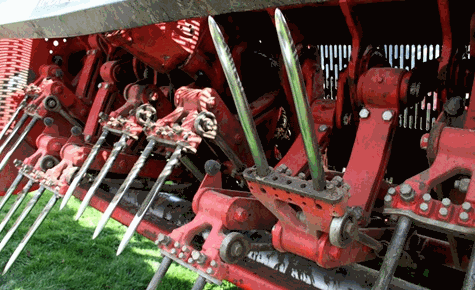
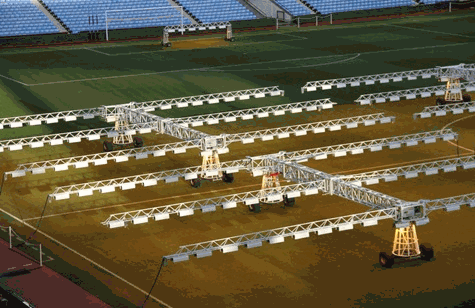
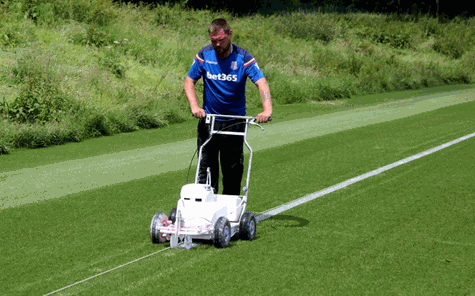
These are all coupled with the much-improved mowing, aeration, spraying and cassette systems along with the ever-efficient lighting rigs that have help promote much needed grass growth in the winter months. Along with modern fertilisers, wetting agents and growth regulators, they have all contributed greatly to the quality of natural grass and artificial playing surfaces in the UK.
Battery powered tools and machinery is also now a reality. It will be interesting to see how much further battery technology improves and develops over the next 25 years along with other innovative ways of maintaining natural grass pitches.
However, for me one of the most important issues is the future status of grounds professionals. At a time when we are paying top sports professionals huge weekly salaries, is it not time these clubs finally recognised the special skill set and dedication of our turf professionals – and, crucially, begin paying the appropriate salaries that reflect the skills and unsociable hours they work to produce playable pitches 365 days a year.
The GMA are soon to be celebrating 92 years of providing a membership for grounds personnel. Let’s hope in the coming years we see a more collaborative way of enticing the next generation of grounds professionals, who might finally be paid an appropriate wage for their endeavours.
To tie in with my thoughts here, I’ve asked several high profile turf professionals for their opinions on where we are as an industry right now. I will be publishing their answers over the next several weeks in our State Of Play interview series - starting today with Gary Barwell of Edgbaston CCC.