Last week I read an interesting piece about the success of Parkrun on the BBC and how it has galvanised local communities to take up running in their local park
Just in London for example, where it all began, the article says there are now nearly 750,000 registered parkrunners and about 100 events each weekend. With scenes like this repeated in towns and cities across the world.
So why am I interested in this story. Well, to be it illustrates so clearly the value of our local parks and public open spaces.
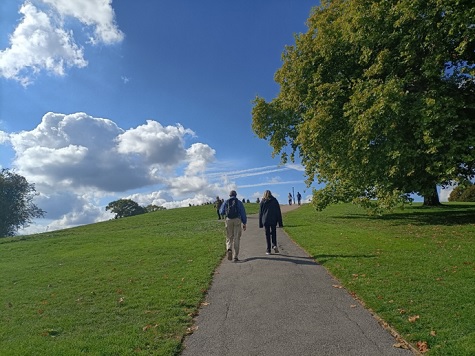
At a time when local authorities are strapped for cash to maintain these wonderful assets, I think there is a real risk that the powers that be are forgetting the real value and benefits of these facilities.
The value of the services provided by green spaces is not recognised in part because local authorities are unable to attribute an economic value to them.
A helpful source of information regarding the running of public green spaces is the Parks for London website.
It says that although the concept of natural capital accounting is gaining traction it has not yet been fully embraced by Government or accepted by those with responsibility for financial accounting.
Furthermore, there is a lack of robust data regarding green space and number of green space users, which affects the reliability of economic data derived from natural capital accounting.
This affects green space’s priority on a council’s agenda. For example, proving value for money is difficult when a green space-related project goes before the council’s finance committee.
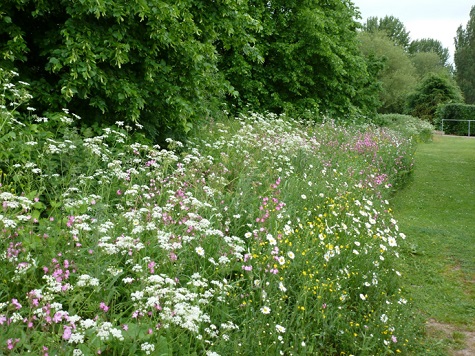
A lack of data to show the value of green spaces also affects decisions about green space management and planning.
Some London Boroughs are considering disposing of excess green space and looking for alternative uses for some or part of their parks.
This is driven by the need for short-term capital receipts and revenue savings. Being able to clearly articulate the value of the services provided by green space would influence such decisions.
The contributions green space makes to other, often statutory, council strategies is also not acknowledged, or benefits are not attributed to green space.
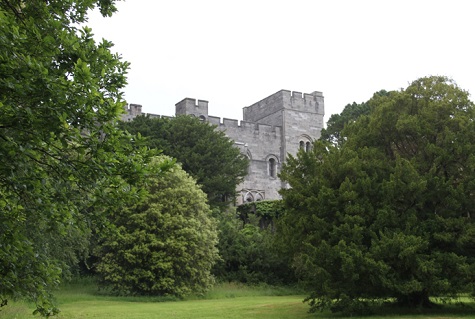
For example, green space contributes to physical and mental health and well-being, which can reduce the burden on other services, such as adult and social care.
Also, we must be aware of the value of accounting for the naturalistic values of a green space commonly known as Natural Capital.
'Natural' capital is made up of the elements of nature that benefit people directly or indirectly. These assets include ecosystems, species, fresh water, land, minerals, the air and oceans, as well as natural processes and functions. Benefits can include goods (such as timber and food) and services (such as clean air and water). In an urban context, these assets are our parks, rivers, trees, and features such as green roofs that collectively form an essential green infrastructure. Designed and managed as green infrastructure, natural capital can:
- promote healthier living
- lessen the impacts of climate change
- improve air quality and water quality
- encourage walking and cycling
- store carbon
- improve biodiversity and ecological resilience
Carbon storage
Regarding carbon storage, we must find a way of calculating the amount of carbon storage value of our parks and open spaces.
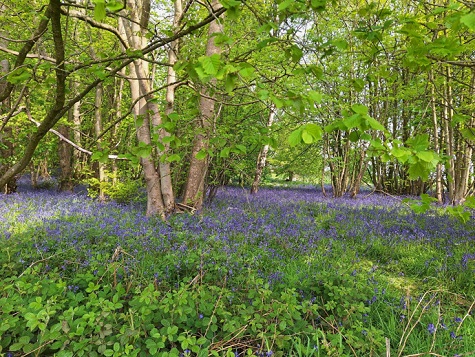
The grass and trees in a local park play an important role in carbon storage through a process known as carbon sequestration. Here's a breakdown of how grass and trees contribute to carbon storage:
Carbon Sequestration through Photosynthesis: Trees absorb carbon dioxide (CO₂) from the atmosphere during photosynthesis and store it in their biomass (trunks, branches, leaves, and roots). A portion of this carbon remains stored for long periods, particularly in the wood of trees.
The amount of carbon stored by a tree depends on the species, age, size, and health of the tree. Larger, mature trees store more carbon than younger ones.
A large mature tree can sequester about 22 kg (48 lbs) of CO₂ per year on average, and over its lifetime (e.g., 50–100 years), it can store several tons of CO₂.
Grass sequesters carbon primarily through its root system. While grass does not store as much carbon as trees, it plays a role in soil carbon storage by stabilising the soil and increasing organic matter over time.
Depending on the grass species and management practices (such as mowing and fertilisation), lawns or grassy areas can sequester approximately 0.5 to 2 tons of CO₂ per hectare (2.47 acres) per year. This is far less than trees, but it is still significant in terms of soil health and carbon storage.
If a park has 100 mature trees, and each tree sequesters an average of 22 kg of CO₂ annually, the park's trees alone would sequester about 2,200 kg (2.2 metric tons) of CO₂ per year.
If the park spans 2 hectares (approximately 5 acres) of grassy area, and the grass sequesters about 1 ton of CO₂ per hectare annually, the grass would add 2 tons of CO₂ per year in soil storage.
In this example, the trees and grass together could sequester around 4.2 tons of CO₂ annually. Over time, this contribution can accumulate to help mitigate carbon emissions and combat climate change.
The actual amount for your local park depends on its specific size, tree species, age distribution, and management practices.
Green spaces fall short of realising their full potential largely because of the issues discussed above: lack of strategic approach, and resource challenges that focus on immediate budgets and revenue potential, rather than long-term investment and benefits.
Is it not time that the government recognised the value of parks and public open spaces and made them a statutory service?