Last week I made some mystery shopper visits for the Green Flag Awards programme, visiting both Hanley Park in Stoke and Brampton Park in Newcastle under Lyme. I always enjoy walking around parks and public open spaces; they are such an important feature of our urban landscape.
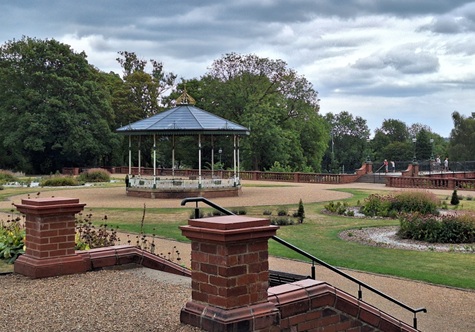
Hanley Park
Two distinctly different parks, Hanley Park, incorporating Cauldon Grounds, is owned and managed by Stoke-on-Trent City Council. It is an historic public park of 24 hectares and has a Grade II* designation on English Heritage’s Register of Parks and Gardens of Special Historic Interest. The park is located at the heart of the City of Stoke-on-Trent between the city centre and the main railway station.
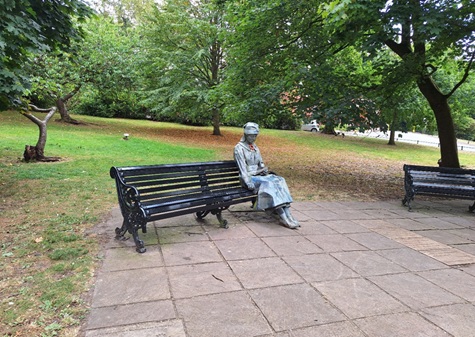
Brampton Park
Brampton Park meanwhile, is located on Brampton Road, Newcastle. The site covers approximately 3.28 ha and is one of the borough’s smallest formal parks. It is also home to the Borough’s Museum & Art Gallery. The park is located ½ mile from the town centre and is with walking distance of a large volume of housing, businesses and schools.
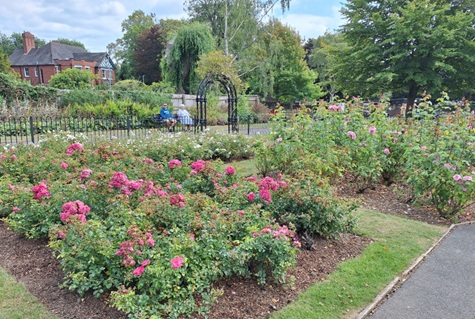
Brampton Park
Both parks offer a wide range of facilities that include, plays areas, sports pitches, formal and informal gardens, bandstands, toilets and cafés. Brampton Park for me was exceptional in the number of facilities it offered within such a small site, whereas Hanley Park was considerably a larger public open space.
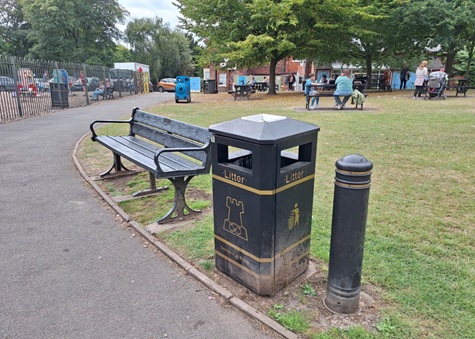
Brampton Park
Considering many local authotites have over the last twenty years seen their annual maintenance budgets dramatically decreased, it is a small wonder that we can still benefit from these wonderful assets. For me, the values of UK parks and public open spaces are multi-dimensional - they go well beyond just greenery or recreation. Policymakers, researchers, and communities often frame these values in terms of social, environmental, economic, and health benefits.
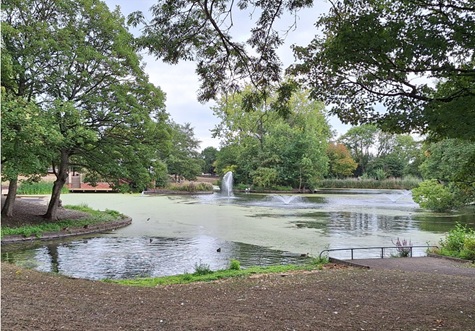
Hanley Park
And yet the current government, along with the previous ones, have never agreed to recognise the value of city parks and make them a statutory service for local authorities - something parks managers have been championing for many years.
I recently read an interesting article in The Guardian written by Rhiannon Lucy Cosslett. Her piece highlighted the lack of facilities, locked playgrounds and broken paddling pools and asked where during the recent heatwave, where will our children play?
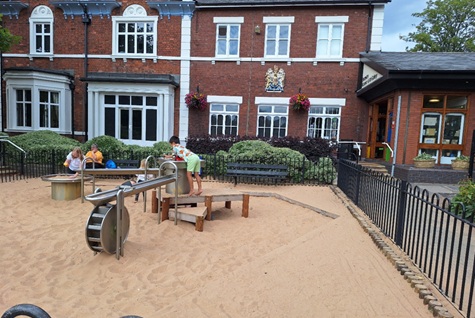
Brampton Park
In response to this Ed Stannard, executive director for the Parks For London said Green-space managers would gladly deliver more parks that “integrate children’s play with adult socialising”, but to do this they need funding – not just to develop these spaces but, critically, to maintain their quality long-term. In London local authority parks budgets have fallen by approximately 8% since 2008, while the capital’s population has grown by more than 15% – that means more than a million more people are needing access to quality green space. With the challenges parks are facing from our changing climate, ever-increasing costs, and pressures to generate revenue for vital services, it is testament to those managing our public green spaces that they still manage to deliver so many internationally respected and innovative parks.
Having spoken to many parks managers in recent times, the job of managing a park is getting more complex and coupled with continued reduced budgets, the standards of maintenance and the provision of facilities will continue to decline further.
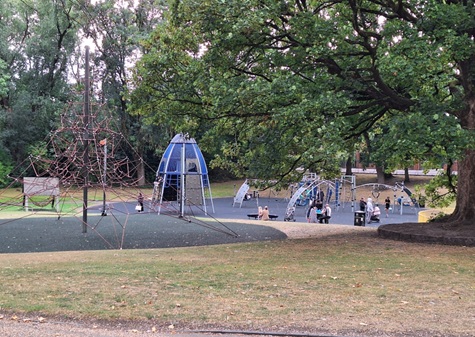
Hanley Park
I have personally witnessed this decline in standards. We seem to be dumbing down on the skills and horticultural excellence we once had in many of our parks. You only have to walk through some of the premier parks in Birmingham and see the terrible decline in standards compared to when I worked there.
Compounding these issues, talking to one parks consultant, I heard that local authorities are also finding it difficult to recruit qualified staff to manage these parks. The skill set required and complexity of the job has changed enormously. Not only must you have horticulture knowledge and experience, you need many other skills and expertise in dealing with the public, writing complex management plans and working with other multi discipline departments.
The role of the parks manager has changed dramatically since I was one. Let’s hope in the years to come, future governments will finally find a way to make our parks services a statutory service and find the funds to maintain these parks and public open spaces to a standard that meets Green Flag Award status.