EDITOR'S BLOG
OUR INDUSTRY NEEDS THE SPOTLIGHT
And greater collaboration
by TurfPro Editor, Laurence Gale MSC, MBPR
 
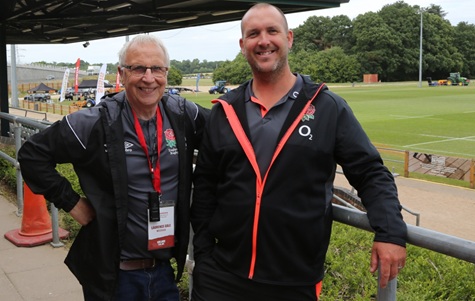
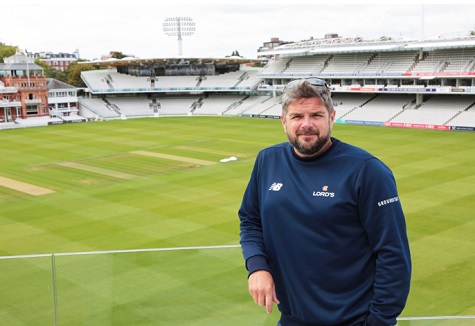
Laurence Gale MSC, MBPR

A rare moment of national exposure for our industry on national TV highlights not only the skill and technology within our industry, but also the urgent need for greater collaboration to tackle long-standing challenges.


Last week I, like many other turf professionals no doubt, took the opportunity to watch BBC1's Inside the Factory.


Presented by Paddy McGuinness and Cherry Healey, the two explored the manufacturing process of the Hayter Harrier mower at Toro UK's factory in Spellbrook, Hertfordshire. 


The episode showcased how the mower is made, from raw materials to assembly. The programme also delved into the development of the mower and how it has evolved over time with snippets of how lawns and sports pitches have been mown. As part of the programme there were interviews with the curators of Wembley stadium and Blenheim palace.


It was a good to see facets of our industry being portrayed on national TV. I firmly believe we need to get more coverage about the role of the grounds practitioners into the mainstream media. We should also hear more from manufacturers giving insights into what technologies are being used to maintain sports fields, gardens and estates.


As well as this, I think that prior to televised sporting events, stadium managers and grounds staff should be interviewed (post-match as well) to give an account of the work required to maintain these prestigious playing surfaces - thus shining a spotlight onto the skill sets, planning and resources required to maintain these facilities. 


As we all know, recruitment of new staff into our industry is becoming more difficult and becoming a core pressure point for employers across the sector. The issues are structural (long-term demographic and skills trends) as well as operational (attracting, retaining, and developing the right workforce).


Labour shortages & workforce demographics


We are currently facing the prospect of an aging workforce and lack of younger entrants, a high proportion of experienced turf professionals nearing retirement - with insufficient numbers of younger workers entering the industry.
Fewer than one in five greenkeepers are under 30, leaving a looming gap in talent and leadership potential. The exodus of experienced staff leaves us with another problem of not having knowledgable people to mentor any new recruits. 


Recruitment of apprentices is often difficult, around 80% of landscaping/turf employers report challenges finding and recruiting apprentices. Also, loss of EU labour post-Brexit has also reduced access to skilled and semi-skilled staff, especially seasonal workers.


We are also a changing industry needing modern skill expectations. Turf and grounds work increasingly requires technical literacy (e.g., precision irrigation, smart machinery, data-informed turf care) beyond traditional physical skills.
One of our biggest issues is the perception of our industry, in terms of pay and working conditions. In many cases we are still seen as grass cutters and often classed as “low-skilled manual labour,” deterring students and career-changers.


We try our best at promoting the industry via our trade organisations working in isolation but in national terms there is still a lack of industry promotion in schools, career fairs, and broader media – all of which contributes to poor awareness of career opportunities.


Our working conditions are often still not up to scratch. I still see mess rooms and workshops in total disarray with staff often treated as second class citizens. 


Unfortunately outdoor, seasonal and weather-dependent jobs (early starts, physical intensity) are less attractive than office or tech roles.


Couple this with the fact that most of the positions in our industry are still low paid, with many turf roles near national minimum wage levels despite requiring technical knowledge and physical skill - it means employers struggle to compete with other sectors that offer higher pay and benefits.


People can get better wages stacking supermarket shelves and driving white vans.


It is my personal opinion that our industry must finally start working together. Collaboration is required between several of our leading industry organisations - along with some of our premier brand  manufacturers.


By working together, we would be in a better position to negotiate and get government assistance to deliver a national recruitment programme that could see 5,000 youngsters per year for the next five years have a chance to come and work in our industry. Those 25,000 youngsters coming into our industry would be  a game changer.


As part of the new scheme a national programme would need to be initiated to go into schools to promote the values and opportunities of coming to work in our diverse industry. 


A new apprenticeship / academy scheme, funded by a collective of private and government monies, could fund a one or two-year apprentice programme that provides the opportunity for each apprentice to work at three or four placements. This could be at a golf course, machinery dealership, sports club, a manufacturer, local authority or private estate.


The course would be monitored by a governing body / local college throughout the duration of the apprenticeship. 
I know many people will say that we already have this in place with youngsters coming into the industry already, but for me it is fragmented and still only drip feeding new blood into the industry. 


Currently the government only pays for the education part of the apprenticeship scheme, with the employers generally paying the wages. 


The government from information gained form several sources, have a large pot of money set aside - some three billion by all accounts - for apprenticeship schemes


The apprenticeship system is primarily funded through the Apprenticeship Levy, which is a 0.5 % payroll tax on large employers (with pay bills over £3m).


Estimates (from fiscal analysis) indicate that levy receipts across the UK can exceed £3.6 bn per year (significantly larger than the apprenticeship budget itself) - though not all is allocated directly to apprenticeships under current arrangements.


Surely that would be better spent to pay for both wages and training of this proposed scheme?


It may also be an opportunity to roll out this type of scheme alongside other UK industry’s needs.


I have conducted a recent poll and asked a number of industry professionals their thoughts on our industry and they all agree that we need better collaboration between organisations to help improve the standing of the industry, particularly in the recruitment and pay and conditions of our industry. Some recent feedback we have received and published  has included the thoughts of:

I have had plenty of discussions on this subject over the last few years and even arranged a meeting sponsored by Lantra that was held last year in the hope of galvanising this idea. But unfortunately, we still seem to be working in isolation. 


Maybe this year things will change and finally our industry will come together to instigate the necessary changes to help recruit the next generation of industry horticulturalists, grounds managers and skilled operatives to secure the future of our diverse grounds industry.

NEWS
GMA ANNOUNCES 6 NATIONWIDE EVENTS
Scheduled for 2026
 
Events announced

In our first WEB ONLY story the Association says the events are designed to bring practical, accessible learning directly to grounds staff and volunteers.


The Grounds Management Association (GMA) says they are expanding GMA Connect in 2026, rolling out six UK-wide events designed to bring practical, accessible learning directly to grounds staff and volunteers.


Following two successful pilot events in 2025, the 2026 GMA Connect programme will take place in Oxford, Cardiff, Manchester, Leeds, Southampton and Ipswich.


The Association says, designed around real world challenges faced by local grounds teams, GMA Connect focuses on practical solutions and takeaways that can be put to use immediately on site.


2026 Schedule:

  • Abingdon School (Oxford) - Thursday 16 April
  • Cardiff City Stadium (Cardiff) - Wednesday 22 April
  • Joie Stadium, Manchester City (Manchester) - Thursday 14 May
  • Headingley Stadium (Leeds) - Tuesday 19 May
  • Stoneham Lane Football Complex (Southampton) - Thursday 21 May
  • Ipswich Rugby Club (Ipswich) - Thursday 4 June

"The two pilot events in 2025 were a huge success, so we’re delighted to be rolling out six events across the UK in 2026," said Sarah Hunter, head of events at the GMA. "It’s all about delivering high-quality learning closer to home and making it more accessible and easier to fit around the busy lives of grounds people."

UK DISTRIBUTION SECURED
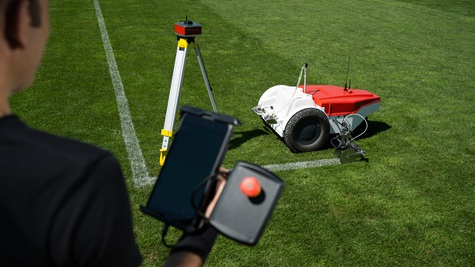
For autonomous linemaking tech
 
New UK distribution

In our next WEB ONLY story new importer says this new partnership strengthens their offering by bringing the full range to the UK market, backed by sales, service and aftercare support.


BBC SHINES A LIGHT ON BRITISH MOWER PRODUCTION
Inside The Factory broadcast last week
 
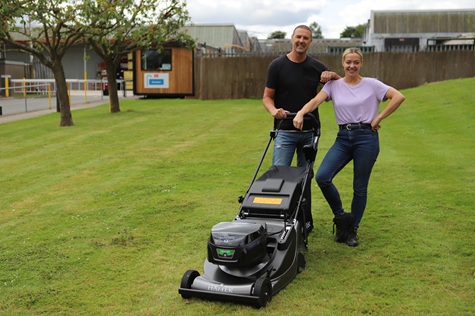
Cherry Healey and Paddy McGuinness

The presenters went behind the scenes to discover how an iconic mower is made.


Toro U.K. Limited, home of the British lawnmower brand Hayter, appeared on the BBC’s Inside the Factory programme last week (3rd February 2026).


In the Season 10 episode shown on BBC One and now available on iPlayer, presenters Paddy McGuinness and Cherry Healey went behind the scenes at the Hertfordshire factory to discover how the Hayter Harrier mower is made. Filmed over three days, Paddy followed the full build journey - from raw materials to assembly of the finished rear-roller mower - and even tested his craftsmanship by mowing his own lawn stripes.


Founded in 1946 by Douglas Hayter, the brand celebrates its 80th anniversary this year. A spokesperson for the company said, "What began in a small workshop in Spellbrook with a handmade rotary mower has grown into a British engineering success story. Toro U.K.’s Spellbrook factory which produces thousands of mowers each year for both homeowners and professional users worldwide. Hayter received its first Royal Warrant in 1960, a seal of approval it continues to hold today, now granted by His Majesty King Charles III."


The Harrier, first launched by Douglas Hayter in 1970 and still going strong 55 years later, takes centre stage in the episode, showcasing the craftsmanship that has sustained its popularity for over half a century. Viewers follow Paddy through each stage of its build as components are laser cut, welded, painted and assembled on the production line, before the finished mowers are dispatched across the UK and Ireland.


Craig Hoare said, “We’re extremely proud to feature on BBC’s Inside the Factory. The Harrier is a much loved mower with fans across the country, and it was a pleasure to welcome Paddy, Cherry and the film crew to show how it’s made.”

MACHINERY PARTNER CONFIRMED
For this year's Solheim Cup
 
Machinery partner confirmed

The official golf course and turf maintenance machinery partner for the 2026 competition, to be staged in the Netherlands has been announced.


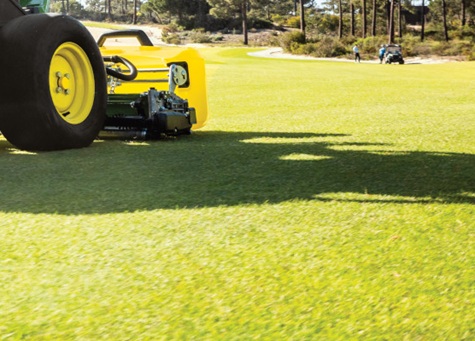
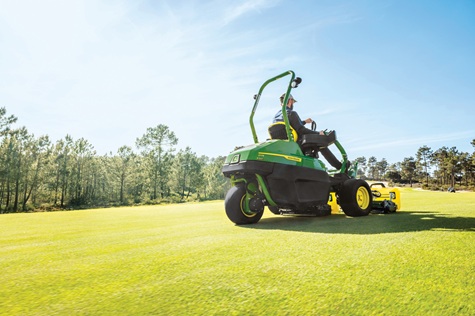
John Deere has been named the official golf course and turf maintenance machinery partner for the 2026 Solheim Cup, to be staged at Bernardus Golf in the Netherlands from 7–13 September.


The partnership brings together the manufacturer, its Dutch dealer Kraakman, and the Bernardus Golf team, placing John Deere at the centre of one of the biggest events in women’s sport. Their machinery and technology will play a key role in championship course preparation, while supporting the tournament’s ambition to set new sustainability benchmarks.


Kraakman will supply the full fleet of equipment and provide technical support before and throughout the event, including training, monitoring, parts back-up and on-site service technicians working alongside the venue’s own mechanics.


Bernardus superintendent Niall Richardson said the partnership provides “the reliability and support we need to prepare the course to championship level,” highlighting the benefits of the manufacturer's electric and hybrid machinery and data-driven management systems.


The Solheim Cup, contested biennially between Europe and the USA, will mark its 20th edition in 2026. Organisers say sustainability initiatives will include low-emission transport, renewable energy use, water-smart operations and nature restoration, with John Deere’s technology aligned closely to those goals.

OFFICIAL AGRONONMIST OF 'LET' ANNOUNCED
Will advise on sustainable maintenance operations
 
Official agronomist announced

Working collaboratively with the golf courses and the LET, the partner will provide expertise for the effective management of courses.


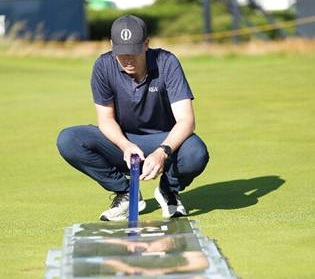
The Ladies European Tour (LET) has announced The R&A Sustainable Agronomy Service has been appointed as the Official Agronomist of the Tour.


It will advise the LET on sustainable golf course maintenance operations and environmentally responsible agronomy practices for 20 venues and three events in 2026.


Working collaboratively with the golf courses and the LET, The R&A Sustainable Agronomy Service will provide expertise for the effective management of courses and use of best practice in sustainability to provide high performance playing surfaces in an environmentally responsible way.


This, say The R&A,  will allow courses to reach their optimal course conditioning for world-class LET tournaments, while adhering to current environmental regulations and taking into consideration factors such as climate change and resource constraints.


Services provided to LET venues during the 2026 season will include site visits, agronomic reports, observations and recommendations, follow-up calls, soil sample analysis, course set up guidelines and data collection using USGA GS3 and Moisture Meter technology with the Deacon platform.


Diane Barnard, director of operations at the LET said, “This collaboration marks an important step forward in our shared commitment to sustainability, course excellence, and the future of the women’s game."


Daniel Lightfoot, director of sustainable golf at The R&A, added, “Our team of agronomists has extensive experience of providing world-class, high performance playing conditions which adhere to best practices in sustainability at championships and events worldwide. We look forward to working with the Ladies’ European Tour to support its tournament venues that will host professional events for the best women’s golfers this year.”

JOBS
ADVERTISE YOUR JOBS HERE
Amazing success rates!
 
Advertise your jobs on TurfPro Weekly Briefing

Advertise your recruitment needs on TurfPro Weekly Briefing and reach our targeted audience of recipients every week.

Contact Nikki Harrison for details - 01491 837117


SPONSORED CONTENT
YOUR PRODUCT OR SERVICE COULD REACH THE UK TURF PROFESSIONAL SECTOR
Promote to our readership
 
Take out an Sponsored Product Announcement

Highlight your product or service to the people that matter by taking out a Sponsored Product Announcement in TurfPro.


Contact Nikki Harrison for details - 01491 837117


PREVIOUS FEATURES
EDITOR'S BLOG ARCHIVE
Catch up with Laurence Gale's recent blogs
 
TurfPro editor, Laurence Gale

Want to catch up with one of editor Laurence Gale's blogs? Here is the place to do so.


TURFPRO FEATURE ARCHIVE
Find our previous features here
 
TurfPro Feature Archive

If you want to catch up with any of TurfPro's previous features, here is the place to do so.


WE ARE GOING TO HAVE TO DEAL WITH EXTREMES IN WEATHER
Says Ian Smith of St Alban's School


GREATER RECOGNITION OF THE INDUSTRY'S IMPORTANCE IS REQUIRED
Says chairman of The Amenity Forum


THE MOST CHALLENGING ISSUE IS RECRUITMENT
Jim Buttar offers his thoughts


A UNIFIED GROUP WOULD BE INCREDIBLY POWERFUL
Gary Barwell of Edgbaston offers his thoughts


REFLECTING ON THE SAD DECLINE OF SPORTS IN SCHOOLS

The root cause


A REMARKABLE ACHIEVEMENT

Incredible Equip show last week


ONE OF THE GREATS

Sad passing of Stephen Bernhard


NEW STRATEGY

BASIS commits to amenity sector


RECRUITMENT & CAREER PROGRESSION IN GROUNDS MANAGEMENT
How the GMA is tackling the key issues


ON TEST
Segway Navimow


SUSTAINABLE PRACTICE IN THE SUPPLY OF FERTILISERS

To the amenity sector


50 YEARS OF GOLF STEWARDSHIP
Part four


REFLECTIONS ON A CAREER
A lifetime of dedication


CREATING AN INTEGRATED MANAGEMENT PLAN
Key steps


50 YEARS OF GOLF STEWARDSHIP
Part three


50 YEARS OF GOLF STEWARDSHIP
Part two


50 YEARS OF GOLF STEWARDSHIP
Part one


DEMONSTRATING AND APPLYING AN INTEGRATED APPROACH
Reviewing the tools available


CRICKET MANAGEMENT THROUGH THE DECADES
Part two


CRICKET MANAGEMENT THROUGH THE DECADES
Part one


A LOOK AT THE OPTIONS
When implementing an integrated approach


50 YEARS OF FOOTBALL MANAGEMENT
Part two


50 YEARS OF FOOTBALL MANAGEMENT
Part one


57 YEARS & COUNTING!
My life in the industry


DEMONSTRATING AND APPLYING AN INTEGRATED APPROACH
New series of articles for 2025


IMPLEMENTING SUSTAINABLE PRACTICE
Examples from across the year


VINTAGE PUSH MOWER USE
Enthusiast maintains lawn the old fashioned way


SUSTAINABLE AMENITY MANAGEMENT
Principles and practises


PLACING URBAN GREEN SPACES AT THE HEART OF INFRASTRUCTURE
Midlands Parks Forum's annual conference


RAISING THE VOICE
At the Amenity Forum's annual conference


SUSTAINABLE PARKS
Parks For London case study


WHY GRASSROOTS RUGBY IS IN DECLINE
A steady drop off in participation.


SEEDS OF SUSTAINABILITY
Focus on a major supplier of grass seed and related products to the amenity sector


ON TEST
STIHL BGA 300 cordless leaf backpack blower


ON TEST
EGO Multi-tool


PUT THEM ON THE TOOLS!
Time for an attitude change


SUSTAINABILITY IN THE TRAINING SECTOR
Grasping the challenge of encouraging more sustainable practice


SUSTAINABILITY IN LOCAL AUTHORITIES
Lessons learnt and experiences


SKILL SETS NEED RECOGNITION
Turf professionals are underappreciated


GREATER RESPECT FOR GROUNDS STAFF MIGHT MAKE ALL THE DIFFERENCE
To the recruitment crisis


A COMPETITIVE SALARY
Why employers should advertise the salary when recruiting new staff


ON TEST
Makita XGT UV001G lawn scarifier


AN EXAMPLE OF SUSTAINABILITY IN MACHINERY SUPPLY
Focus on Kubota


MY PERSONAL GREENKEEPING PHILOSOPHY HAS NEVER CHANGED
I don't follow any set program


SUSTAINABILITY IN LANDSCAPING
A substantial element of amenity activity


IS IT TIME TO SAY NO TO 'NO MOW MAY'?
Any real benefits?


SUSTAINABILITY IN OUR PARKS & PUBLIC GREEN SPACES
Meeting the challenge


THE PATH TO WIMBLEDON
For groundstaff member, Conrad Cavil


ON TEST
EGO LBP8000E backpack blower


SUSTAINABILITY IN THE LAWN CARE SECTOR
A key consideration


BEEKEEPING IN COMMERCIAL ENVIRONMENTS
The current situation


SUSTAINABLE PRACTICE IN THE AMENITY SUPPLY SECTOR
Optimising land use through integrated solutions


SUSTAINABILITY IN THE GOLF SECTOR
Focus on BIGGA


THE SEARCH FOR SUSTAINABLE PRACTICE
Bringing together key points


DEVELOPING SUSTAINABLE SOLUTIONS FOR GOLF
R&A are supporting clubs


GETTING THE MOST OUT OF EVERY POUND OF BUDGET
A course manager's view


A NEWFOUND APPRECIATION FOR ALL VOLUNTEERS
Who look after grassroots pitches


SUSTAINABILITY & THE UK ACTION PLAN
For weed, pest and disease management


CONCERN FOR PARKS FOLLOWING COUNCIL BANKRUPTCIES
What does the future hold?


TAKING A GLOBAL LOOK AT SUSTAINABILITY
Is the rest of the world also driving towards sustainable practice?


RENOVATIONS, PLAY AND THANKS
On my mind this week


SUSTAINABILITY – IMPLICATIONS FOR TRAINING & EDUCATION
Set to play a crucial role going forward


TULIP TREE
Liriodendron tulipifera


LYDIA BROOM
Genista lydia


THE LAWN AND ITS VALUE
Changing attitudes


GIANT HOGWEED
Invasive and potentially harmful


LIFE-CYCLE ANALYSIS & SUSTAINABILITY
Considering every stage of the journey


NITROGEN USE EFFICIENCY
The most important nutrient


BERBERIS THUNBERGII
A shrub that has stood the test of time


ENSURING FUTURE PROSPERITY
Advice imparted at road shows


INNOVATION & SUSTAINABILITY
A key focus


PHOTINA RED ROBIN
A sensational flowering shrub


VALUING THE GRASSROOTS
We must not overlook those who maintain these grounds


MANAGING WEEDS SUSTAINABLY
In amenity spaces


DETECTING NUTRIENT DEFICIENCY SYMPTOMS
In turf plants


SPRING RENOVATIONS UNDERWAY
A crucial period


SUSTAINABILITY IN SUPPLY
A focus on those who supply essential inputs to our sector


CHANGING CLIMATE
Is a borehole the key for clubs?


SUSTAINABILITY AT THE SHARP END
How to put into practice when budgets are tight?


ANOTHER NAIL IN THE COFFIN OF GRASSROOTS RUGBY
Clubs are struggling


SUSTAINABILITY IN PRACTICE
Seeking transparent and robust supply chains is essential


TIME FOR ACTION
To reverse recruitment crisis


CONTROLLING COSTS
Planning is crucial


THE SEARCH FOR SUSTAINABILITY
What exactly does the term mean?


CARING FOR THE GRASSROOTS
From volunteers to contractors


DEFRA IS LETTING DOWN THE COUNTRY
Complete failure to address the plastic grass debate


WE CAN ALL DO MORE
To aid biodiversity


MY LIFE IN GREENKEEPING
With Bruce Cruickshank


LEVELLING UP, GETTING SMARTER & GETTING AHEAD
Parks require so much more funding


SWITCHED ON FOR HARD WORK
Putting trimmers through their paces


MACHINERY HIGHLIGHTS
At this year's show


MY SALTEX
Daniel Lewis​, Manchester City Football Club


AWASH WITH LEARNING OPPORTUNITIES
Two months till showtime


LOOKING BACK, LOOKING FORWARD
Priorities for the amenity sector


THE DECLINE OF ‘PARKITECTURE’
A symptom of the state of parks in 2022


DEVELOPERS SHIRKING GREEN SPACE RESPONSIBILITIES
Lack of financial commitment


TIME TO COME TOGETHER
For the good of the industry


THE DEATH OF GRASS ROOTS CRICKET
Gathering apace?


ROUTES INTO THE INDUSTRY MUST BE ENSURED
Q&A with David Fisher, Lantra’s head of industry partnerships


STRONG VIEWS ON CRICKET PITCH PERFORMANCE MARKING
A bone of contention


A PREMIUM PRODUCT
Delivered at Naas Golf Club


THE GREEN REVOLUTION
And Esker Hills


MAKING A CHANGE
Laytown and Bettystown Golf Links


A DAY AT THE RACES
Naas Race Course


WORKING TOGETHER AS ONE VOICE
How the industry needs to proceed


OVER 175 YEARS OF EDUCATION
Wesley College


ELECTRIC EXCITEMENT
Dennis's Ian Howard talks electrification


THE HOME OF CORK GAA
Páirc Uí Chaoimh


LONG POLE BATTERY HEDGE TRIMMERS TESTED
STIHL HLA 66 and HLA 86


OVER 800 YEARS OF HISTORY
Johnstown Castle and Gardens


A CLUB GONE WILD
Kilkenny Golf Club


A GOLF COURSE IN THE GARDEN OF IRELAND
Woodenbridge GC


80 YEARS YOUNG
Charleville Golf Club


AN UPLIFTING EXPERIENCE
Bunclody Golf & Fishing Club


GETTING BACK TOGETHER
Albeit gradually . .


GO WEST
Inishturk GAA pitch – one of the most westerly sportspitches in Europe


WORKING ON A TIGHT BUDGET
Nenagh Golf Club


ON A MISSION
Wrekin Golf Club aiming to enrich wildlife and fauna


WILD AND WONDERFUL
Design By Nature


LEARNING HOW TO SURVIVE
Abbey Par 3


TACKLING OBESITY
Vital that schools can provide sport


A LIFETIME OF LEARNING
Vital for turf professionals


CELEBRATING 125 YEARS
Tullamore Golf Club


UNIVERSITY CHALLENGES
At Trinity College Dublin


BLENDING THE OLD WITH THE NEW
Bray Golf Club


A WELL POLISHED COURSE!
Ierne Social And Sports Club


IDENTIFYING THE TRUE VALUES
Of grounds maintenance


THE INDUSTRY WILL CHANGE & ADAPT
But it will survive


WIRRAL GOLF COURSES SAVED
Renewed hope and optimism for the future


GREEN SPACE CONTRIBUTION TO WELLBEING IS UNDERVALUED
Parks invisible on national agenda


A SHINING LIGHT IN IRELAND'S SUNNY SOUTHEAST
Wexford Golf Club


GREEN SPACES DO NOT LOOK AFTER THEMSELVES!
Keith Kent says we must invest in people


WE SHOULD TELL THE WORLD ABOUT THE UK INDUSTRY
Right time for all sides to come together


SOIL LIFE IS PRECIOUS
Good-quality soil can help save the planet


MORE THAN JUST CUTTING GRASS
Encouraging the next generation


A BUZZ FROM DOING THE JOB
Wide experience of the turf grass industry


PAYING THEIR WAY
Low wages is the bane of the industry


AMENITY MANAGEMENT IMPACTS US ALL
Professor John Moverley


CARING FOR PARKS OF ALL TYPES
Mary Worrall


TOP FIVE FRUSTRATIONS FOR CRICKET GROUNDSMEN
What causes you the most frustration in your role?


PROFESSIONALS AT THE CUTTING EDGE
Vic Demain and Phil Sharples


BOWLS CLUBS IN PERIL
A sad decline


A VERY SPECIAL INDUSTRY
Loz looks back


SNEAK PEAK AT A ROBOTIC "GAME CHANGER"
Commercial model capable of covering 50,000 m2 teased


HALESOWEN PICK A BIG ROBOT UP FRONT
Invest in mowers


COMPRESSED AERATION
The new way


PARKS MATTER MORE THAN EVER
Recent sector developments


ON TEST
STIHL blowers


THREE CORE VALUES TO SHAPE OUR INDUSTRY
Real concerns for the future


ENGLAND'S GREEN SPACE GAP
A split along racial lines


ON TEST
EGO STX3800 strimmer with RTX2300 Rotocut head


A SECTOR FACING IMPORTANT TIMES
Review of the National Action Plan


PARKS MATTER
The role of public parks in the recovery: a discussion paper


A UNIQUE SPORTING VENUE
Wormsley private estate


A BTME OUTDOORS?
A good bet for the industry


PARKS NEED APPROPRIATE POLITICAL REPRESENTATION
Q&A with Philippa Reece, Parks and Foreshore Manager at Adur and Worthing Council


CRICKET LOAM
What does it mean?


A HERCULEAN EFFORT TO GET PARKS BACK TO NORMAL
Q&A with Chris Worman, Rugby Borough Council’s parks and ground manager


ON TEST
STIHL battery products


TURFGRASS STRESS MANAGEMENT
Reactive Oxygen Species (ROS) and antioxidants during biotic and abiotic stress in turfgrass plants


AUTUMN DISEASE MANAGEMENT
The coming months are going to prove very difficult


THE ABUSE OF PARKS . .
Is the abuse of society


WHY PARKS MATTER?
A statement from the Parks Management Forum to the Prime Minister


THE 21st CENTURY PARKS MANAGER
Innovative, creative and entrepreneurial


EAT, SLEEP, CUT, REPEAT!
Cricket under covid


TIME FOR A SINGLE SHOW?
Debate brought back into focus


A CHALLENGING TWO MONTHS
Running golf design projects from home


PRESSURE SITUATION
Cementing the reputation


A CLUB TO BE PROUD OF
10 years at the helm of Olton GC


GAME CHANGERS IN TURFCARE
The day the Lord's outfield reconstruction proved its worth


THE ESSENCE OF ESSENTIAL
Finding a sensible way forward on defining "essential maintenance"


THAT WAS THE YEAR THAT WAS
2001


HOW TO LOOK AFTER A GOLF COURSE WITH NO GOLFERS
Fundamental to the survival of almost all courses, if not of the game itself


RAIN STOPPED PLAY WOULD BE WELCOME
. . along with ‘lunch is being taken early’


PHYSICAL CONTROL OF TURFGRASS PESTS
An urgent problem


A DIVERSE & ENTERTAINING WEEK
Successful BTME 2020


INTEGRATED PEST CONTROL
Opportunity to embrace new methods


ENVILLE ON THE UP
Major investments taking place


GREEN FLAG AWARDS 2019
A great success


U.S PROFESSIONAL EQUIPMENT SHOW EXCELS
Buoyant GIE+EXPO


LEGACY OF THE SOLHEIM CUP
At Gleneagles


A DAY OUT WITH THE LADIES
Behind the scenes at the Solheim Cup


COVENTRY UNIVERSITY'S EDIBLE GARDEN SUCCESS
2006 - present


HAIL THE GRASS MASTERS!
Boorish media comments about pitch quality are wide of the mark


CONTRACTOR SEES MULTI-DISCIPLINE SUCCESS
360 Ground Care serving professional facilities


BUSY TIMES
Judging the Green Flag Awards


TAKING AN INTEGRATED APPROACH
What does it all mean in managing turf surfaces?


UNDER PRESSURE
Dry weather conditions continue to keep turf managers focused on moisture management


EDDIE SEAWARD
Death of Wimbledon’s influential grounds manager


MAJOR NEW IRRIGATION PROJECT
At Top 100 classic Berkhamsted Golf Club


NEW HORIZONS FOR THE HATTERS
Investment paying off at Kenilworth Road


ELIZABETHAN RESTORATION
At Castle Bromwich Hall Gardens


WHAT IS BIOPHILIA?
The vital impact of parks and green spaces on health and well-being


WORM CONTROL
Without carbendazim


THE TRUE COST OF PETROL
Battery-powered outdoor power tools are now turning the heads of professionals


SANDS OF TIME
Sand-based pitches are now the norm in professional sports


WHY DO WE DO THE RIGHT THING?
We must maintain industry standards


CHASING GRASS PERFECTION?
11 things you need to know . . .


MAINTAINING STANDARDS
Q&A with BASIS ceo, Stephen Jacobs


STRI RESEARCH DAY 2018
Hosted at research trial grounds in Bingley


THE MECHANIC
Leicester City FC invest in new role


LORD'S 'GRASS-GUVNOR' TO RETIRE
Mick Hunt bows out after 49 years


HOLLOW CORING & DEEP SCARIFICATION
Is it really necessary?

Side Advert Image


PARTNERS
CAMPEY
 
Campey Turf Care Systems
DENNIS
 
Dennis
Foley
 
Foley Company
HUNTER GRINDERS
 
Hunter Grinders
ISEKI UK & IRELAND
 
Iseki
Kubota
 
Kubota
LANTRA
 
LANTRA
SISIS
 
Sisis
Syn-Pro
 
Syn-Pro
Turfcare Blog
 
TurfCare Blog
Garden trader
 
Garden Trader
PRODUCED BY THE AD PLAIN
The Ad Plain
 
TAP
STATE OF PLAY
AUTOMATION CHANGES THE MODEL COMPLETELY
Says David Withers, retired md of Iseki UK & Ireland
 
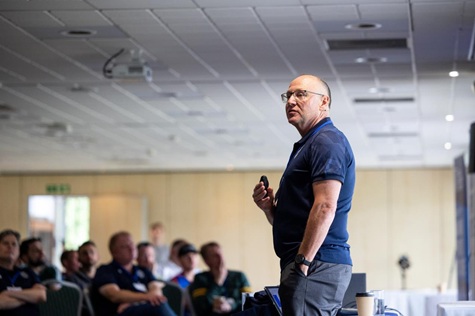
David Withers

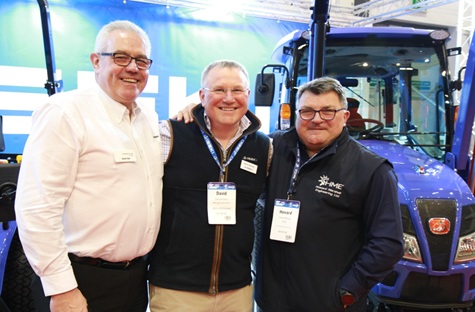
In our next State Of Play interview we hear from David Withers, recently retired md of Iseki UK & Ireland who offers his thoughts on tech, shows and collaboration.


To kick off 2026, TurfPro has asked a series of prominent figures to offer their thoughts on the industry's current State Of Play.


David Withers recently retired as managing director of Iseki Tractors (UK & Ireland) - before that he spent 25 years at Jacobsen, including six years as President.


With extensive senior-level experience in machinery distribution and manufacturing, David has been responsible for overall business strategy, commercial performance, and long-term brand development.


In his roles, he oversaw sales, marketing, dealer network development, aftersales, and operations, with a strong focus on customer value, product quality, and sustainable growth.


David is recognised for his pragmatic leadership style and deep understanding of the UK and Irish machinery markets, working closely with teams, partners, and dealers to deliver reliable solutions and long-term relationships.


Q1. What has been the product, machine or innovation that has helped you most in your career?


We take it for granted now, the specialisation of equipment, but back in the 80s golf courses were maintained with tractor and gangs and walking greens mowers. That increase in standards and specialisation is what changed the game for the equipment manufacturers - and I was lucky enough to be part of that expansion.


Q2. What are the most challenging issues facing the industry?


The switch to automation changes the model completely and will disrupt both dealers and manufacturers over the next decade. Additionally the shrinking requirement for equipment and service means changes in the dealer network over the coming years.


Q3. What are your thoughts on our current trade show scene?


So as you know I am a director of the GMA so am no longer completely unbiased, however if I speak with just my trade hat on, I was very surprised that post-Covid we went back to shows with the appetite that has been shown by both exhibitor and attendee alike. In the world of the internet and virtual demos etc it seemed that shows might have become redundant, but that has not happened and we now have MORE industry shows than ever.


I think if we have to have three industry shows I would favour:


Early September - outside in London area - this is a good time for launching dealer programs and showcasing next years products. London and South East is not well served with shows and there is a clear gap there. Birmingham area is clearly over-supplied with shows.


November  - Inside Birmingham area - this is a good time for councils and sports facilities to take time out of schedules to look at equipment - Birmingham is central, has inside show space and good airport access.


January - Inside - Harrogate - covers Northern area for sports.


So I guess if GroundsFest moved to London and kept the same dates it would be much easier as a manufacturer to justify spending money on three shows.


Q4. What would you like to see in terms of collaboration across industry organisations?


I think the collaboration is already pretty good, but could become better. I do not believe it is possible to get a completely unified industry voice as all players have their own agendas.


Q5. What changes would you like to see made to improve the industry?


I think sports as a whole is pretty inexpensive in this country, compared particularly with the USA, and this knocks on to the wages that are paid and the level of expenditure that customers have. Ithink we need to get more money flowing in to the industry so we can pay more, attract more talent and keep the talent we have.


Anything else you'd like to add?


I still believe this is the best industry! Where else are competitors friends and help one another to improve - and we do maintain the most amazing beautiful places. I feel very lucky to have accidentally ended up in this industry and had my career here. 

OPINION
DROP IN TO LORD'S
Steaming at the Home of Cricket
by Chris Biddle, Founder, TurfPro
 
Lord's

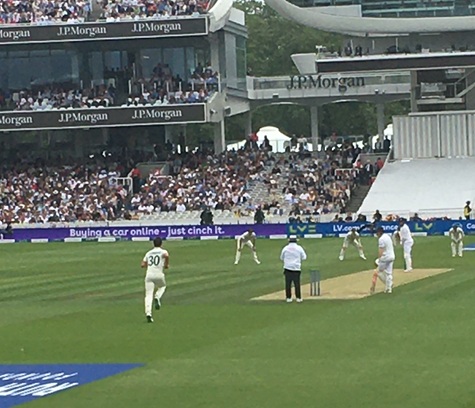
When a senior MCC figure says the most important asset at Lord’s isn’t the hospitality or the stands but the pitch itself, it’s a sentiment that will resonate deeply with every turf professional.


It was music to my ears.


Speaking to The Cricketer magazine, Rob Lynch, MCC Director of Cricket and Operations, said, "We can put in champagne bars all around the ground, but at the end of the day, it's about the 22 players competing on our pitches.


How true. The infrastructure of major sporting arenas receives the most publicity, including new stands, fine dining, bars and beverages, and seating and hospitality facilities, all of which are important to spectators' comfort and enjoyment.


But the focal point, the stage on which the players perform, often receives scant recognition. As do the ‘stage managers’, those charged with the preparation and upkeep of the playing surface, which can often influence the outcome of matches. Lynch is fulsome in his praise for head groundsman Karl McDermott, the man charged with overseeing the playing surfaces at Lord’s, widely regarded as the Home of Cricket.


"Karl is a brilliant human being and, in my view, has the most important job on this ground and in this club," says Lynch. "I would go further to say that he has the most pressure. I would also say that many people in our industry and associated with cricket have no idea what they're talking about when it comes to cricket pitches."


The challenges are considerable. The weather, of course, and the shifting demands of long-form and short-form cricket. The former requires a durable surface that can change in character over the course of a match, whilst quantity (runs or wickets) is more important in the short form.


To play at Lord's often tops a player's bucket list, as does a visit for spectators. But there are major constraints on producing a consistent playing surfaces, a living, breathing organism.


In total, Lord's will host 62 days of cricket in 2026, two more than is considered ideal but two fewer than last year. There were 77 days' worth of requests, which is why the MCC is currently looking at second venues.


Tearing up a tired square is a multi-year process and therefore not an option. Peering down from his office overlooking the outfield, Lynch continues to explore ways to improve their own product by innovating.


The MCC have recently followed the lead of the All-England Lawn Tennis Club and adopted the practice of steaming their pitches. Using a custom-built, highly manoeuvrable steam unit, they deliver precise heat treatment directly to the playing surface. The system achieves a temperature of 85°C in the top 65mm of the soil profile for one hour, with temperatures of at least 60°C reached deeper into the rootzone - ensuring a clean, healthy foundation for the new grass crop.


Pitch farms?


Many stadiums worldwide have become multi-sport venues, capable of hosting both winter and summer sports. It is not unusual to switch on the TV and watch Aussie rules football at Sydney Cricket Ground, then see Test matches played at New Zealand’s Eden Park rugby stadium, courtesy of drop-in pitches grown and nurtured at another venue.


There is no likelihood (at the moment) that Lord's might become a multi-sport venue, but drop-in pitches are on Lynch’s agenda. In the 70-odd years I have visited Lord's, I have only seen two other sports played there. Many years ago, whilst I was at school, I attended an international hockey match at the ground. Fast forward to 2012, and Lord's was the venue for the archery at the London Olympics.  


It was a strange experience sitting in a stand on the ‘hallowed turf’ of the Lord's outfield, watching competitors fire their arrows from the Pavilion End across a cordoned-off square to the targets beneath the Media Centre at the Nursery End.


No stranger than watching a Mexican and a South Korean walk down the steps of the historic listed pavilion, walking in the steps of Hobbs and Sutcliffe, Strauss and Cook to unleash the first arrows from the Pavilion End! 


For several years, the MCC has trialled a couple of drop-in pitches in a corner of the Nursery ground. But they bring their own considerable challenge, notably portability. 


Typically, the pitch sits within a steel frame roughly 24m long, 3m wide, and about 20cm deep, containing compacted soil, clay, and turf. They are seriously heavy, estimated to weigh around 30 tonnes.


Some years ago, when talking with one of Rob Lynch’s predecessors, he said it was impractical to transport a drop-in pitch across the outfield, given the constituent mix of today’s free-draining surfaces.


The option for Lord's appears to be a massive crane hoisting the pitch high above the Media Centre and into place on the square.


Rob Lynch acknowledges the problems but says "the only option that we have is to cultivate new types of cricket wicket".


It is hoped that, later this year, two or three new drop-in trays will be installed on the Nursery Ground, alongside the current squares, and will bed in over the next two years. "When we think it's appropriate," Lynch explains, "we'll pick one up and probably play a County Championship game on it first."


That is the first phase, with the second step contingent on the surface's performance. "All things going well, the first chance to do that would be in 2028. More realistically, we're looking at 2029.


"If we get this drop-in pitch technology right, you could go and play cricket in the middle of Shanghai," he says, while flagging the problems that cropped up during the last men's T20 World Cup in New York. 


But get all this right, and Lynch sees the possibility of an agenda-setting, transformative "pitch farm" where MCC has multiple trays in a paddock, with multiple pitches cultivated year-round.


A quirk of the ground is the Lord’s slope. The outfield drops about 2.5 metres (8 ft 2 in) from the north (Grand Stand/Pavilion End) down to the south (Tavern/Mound Stand/Nursery End). 


Get the transportation issue right, then the drop-in pitch contractors only need to work out how to drop a pitch in at a wonky angle!


Good luck with that.


Chris Biddle is a Life Member of the MCC, having been elected to membership in 1963.