THE Briggs & Stratton story continues to fascinate.
In so many ways, it defines the lawn and garden machinery industry over the ages. The purchase of Billy Goat, the latest step in the roller-coaster history of a company seeking to defend its heritage and protect its brand in a fast-evolving market
From its origins in 1908. B&S has never been afraid to test the market. Over the early years it dabbled in automotive components, in washing machines, radio and refrigerators before in the 1920s settling into its core competency of manufacturing small engines for lawn and garden machinery.
The 1950s saw the real breakthrough with the introduction of light-weight aluminium alloy engines at the very beginning of the new age of consumerism. For years it rode the crest of that wave to become a manufacturing powerhouse and instantly recognisable brand. Success brought its own problems of industrial unrest and debilitating strikes, all of which had to be overcome.
But perhaps the key turning point came in 1989, when the company lost money, over $20 million. This in part was due to a severe drought in 1988 which saw engine sales fall by over 25%, but also that the company had become too insular and not reactive to the growing competition from Japanese companies.
Companies like Toro and John Deere were asking B&S to develop engines compatible with new machine development, but B&S were saying “Our engines are as good as it is going to get” – and kept defending and defending their existing product line.
CEO Fred Stratton Jr said at the time “This a wake-up call. We are too dependent on whether the grass grows or not. But also we had become so good at the old way of doing things, that we weren’t alert and responsive to new techniques. It has taken this shock to get us out of complacency”.
The past 25 years has seen a considerable sea-change in outlook and strategy by Briggs & Stratton. They have the continuing issue of maintaining its position as a leading small engine manufacturer, squeezing as much leverage as its can out of its brand, whilst facing mounting cost and technological challenges from the Far East.
Rewind to those days 25 years ago, and the thought of Briggs and Stratton owning an OEM was considered far-fetched. Their customers could become rivals was the thought.
That changed with the failure of volume mower maker Murray Ohio in 2004, when B&S became its new owner, rather by default because it was probably the largest of creditor.
Since then, the company has added Snapper, Simplicity and Victa, as well as diversifying into generator and lighting sets.
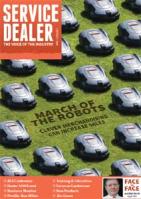
Nor does the Briggs & Stratton evolution show any signs of abating. They are planning to enter the robotic mower market, new virtually maintenance-free engines are being developed, nor can further acquisitions be ruled out. However many of the pioneering independent brands are rapidly being ‘hoovered-up’ and not that many left.
What will be music to Fred Stratton’s ears is that Billy Goat fits into a unique category. The grass may not grow (as in California currently), but one thing is absolutely certain – the leaves will fall off the trees!